Alpine Timothy Care & Identification Guide
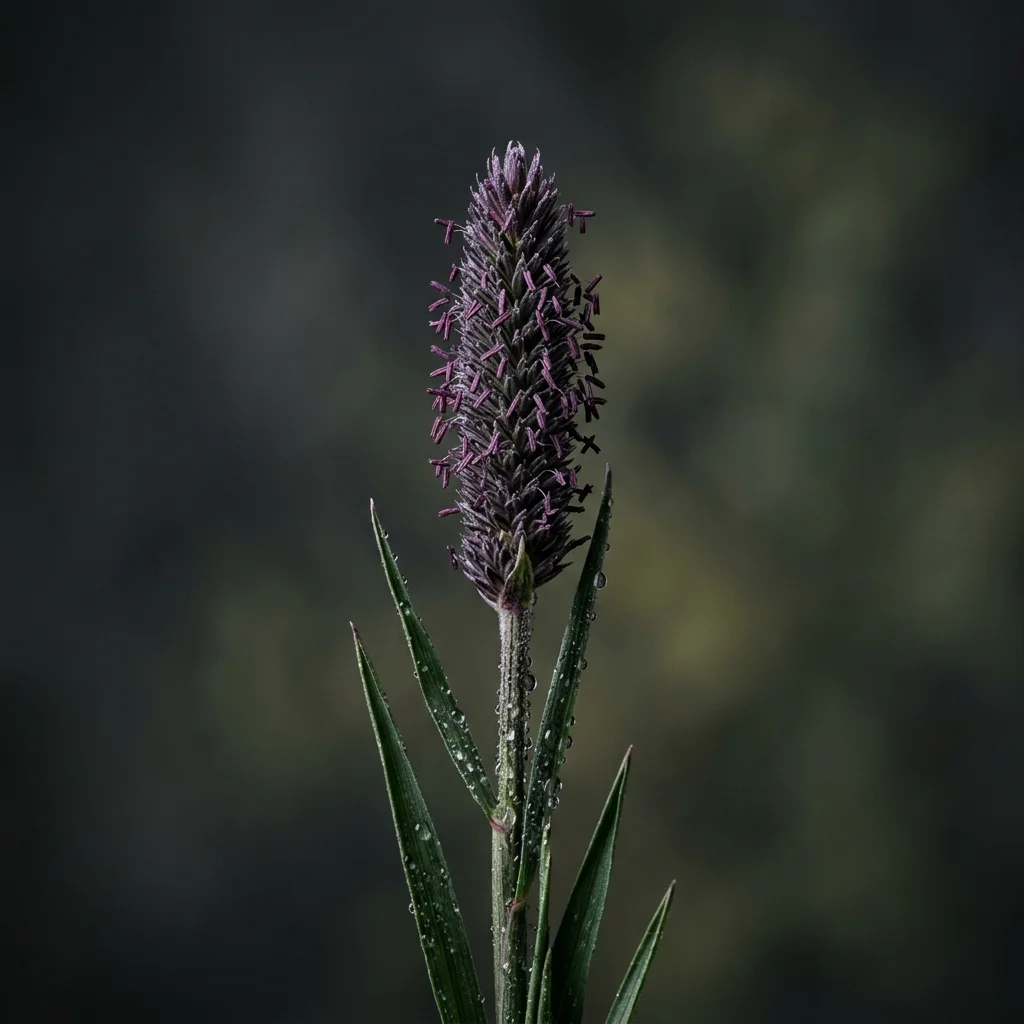
Alpine Timothy is an extremely cold-hardy, structural wild perennial grass, legendary for its dense, short, plump cylindrical purplish flower spikes resembling soft cat's tails. It is a vital high-altitude pioneer grass that thrives across cold subalpine tundra ecosystems.





How to Identify Alpine Timothy
Alpine Timothy (Phleum alpinum) is a remarkable botanical species widely appreciated for its unique aesthetic and structural appeal. Recognizing its definitive visual traits is key to distinguishing it from other similar plants.
-
✔
Key Visual Features: Key Visual Features: Dense arching clumps of narrow linear foliage, topped in summer by feathery, bottle-brush, or metallic flower panicles.
-
✔
Color Variations: Color Variations: Blue-grey blades, warm golden stripes, pink-flushed panicles, or waxy emerald foliage.
-
✔
Common Confusions: Common Confusions: Resembles wild lawn weeds when small, but recognized by their tight, neat clumping growth and showy tall flower spikes.
Complete Care & Cultivation Guide
Follow our detailed scientific care guide to keep your Alpine Timothy thriving and gorgeous all year round.
Common Diseases & Treatment
Root Rot (Overwatering)
Symptoms: Leaves turn soft and yellow at the base, shrivel and drop prematurely, accompanied by a mushy root system and foul soil odor.
Foliage Rust
Symptoms: Small powdery orange or brown pustules appear on the linear leaves under humid, poorly ventilated indoor conditions.
Frequently Asked Questions
Why does Alpine Timothy have a purple flower spike?
The distinctive purple pigmentation in the flower spikes of Phleum alpinum is caused by anthocyanins, which protect the delicate reproductive organs of the grass from the intense ultraviolet radiation found at high subalpine elevations.
Is Alpine Timothy a cool-season or warm-season grass?
It is a highly classic cool-season (C3) grass. It exhibits its primary growth during the cool spring and autumn months, flowers in mid-summer, and goes dormant under heavy winter snow cover.
How do you propagate Phleum alpinum?
It is easily propagated by dividing the dense, fibrous clumps in early spring or by sowing seeds in gritty, moist seed-starting mix under cool conditions.
Is Alpine Timothy safe for horses and livestock?
Yes! Alpine Timothy is highly nutritious and completely safe for horses, cattle, and all domestic pets, making it an excellent forage grass in subalpine pasture regions.