Alkali Sacaton Care & Identification Guide
Alkali Sacaton is an exceptionally tough, highly elegant native bunchgrass, prized for its large, misty, feathery pinkish-bronze flowering panicles that hover like a soft smoke cloud over tough green leaves. It is the ultimate specialist for highly saline, alkaline soils.





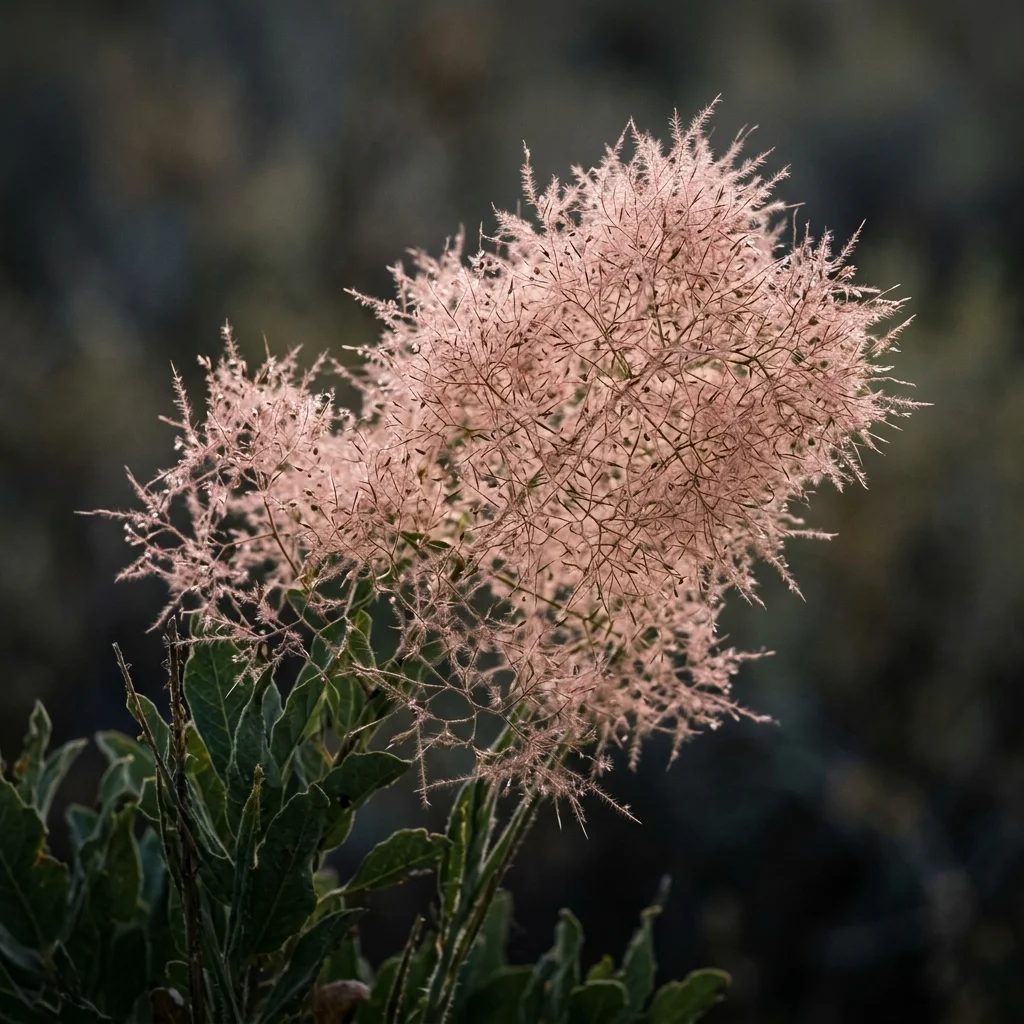
How to Identify Alkali Sacaton
Alkali Sacaton (Sporobolus airoides) is a remarkable botanical species widely appreciated for its unique aesthetic and structural appeal. Recognizing its definitive visual traits is key to distinguishing it from other similar plants.
-
✔
Key Visual Features: Key Visual Features: Dense arching clumps of narrow linear foliage, topped in summer by feathery, bottle-brush, or metallic flower panicles.
-
✔
Color Variations: Color Variations: Blue-grey blades, warm golden stripes, pink-flushed panicles, or waxy emerald foliage.
-
✔
Common Confusions: Common Confusions: Resembles wild lawn weeds when small, but recognized by their tight, neat clumping growth and showy tall flower spikes.
Complete Care & Cultivation Guide
Follow our detailed scientific care guide to keep your Alkali Sacaton thriving and gorgeous all year round.
Common Diseases & Treatment
Root Rot (Overwatering)
Symptoms: Leaves turn soft and yellow at the base, shrivel and drop prematurely, accompanied by a mushy root system and foul soil odor.
Foliage Rust
Symptoms: Small powdery orange or brown pustules appear on the linear leaves under humid, poorly ventilated indoor conditions.
Frequently Asked Questions
What makes Alkali Sacaton special for alkaline soils?
Alkali Sacaton is genetically specialized for extreme high pH levels (up to 9.5) and highly saline conditions. It has specialized cellular mechanisms that allow it to absorb water in salty soils where typical garden grasses dehydrate and die.
Does Alkali Sacaton require a lot of water?
No, it is exceptionally drought-tolerant once established. It thrives in dry desert environments, requiring minimal supplemental watering, though it grows faster with access to seasonal groundwater.
When does Alkali Sacaton produce its misty pink clouds?
The feathery pinkish-bronze flowering panicles emerge in mid-to-late summer (typically July through August) and remain attractive as they dry to a golden-straw color in winter.
Is Alkali Sacaton safe for domestic pets?
Yes! Sporobolus airoides is completely non-toxic and highly safe for all dogs, cats, and pets, making it a beautiful, worry-free choice for residential yards.