Treubii Moonlight Care & Identification Guide
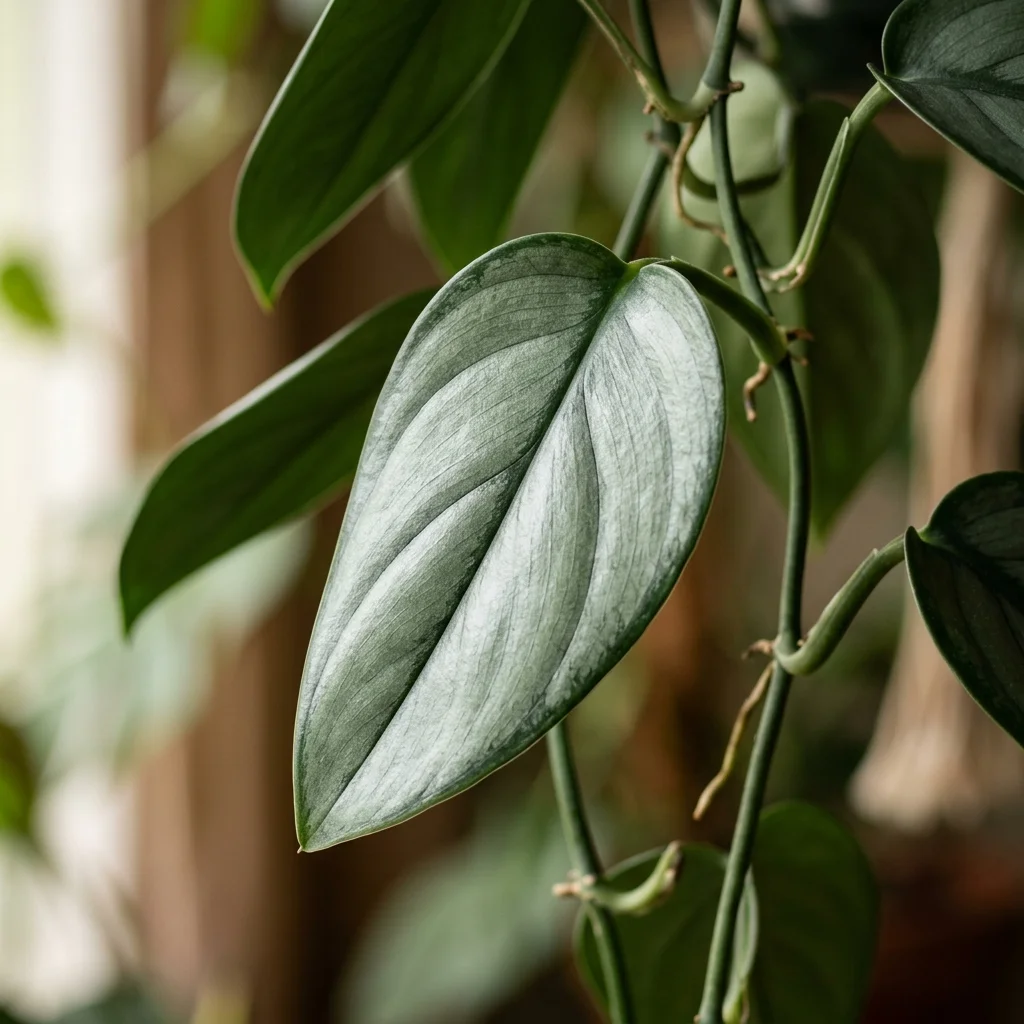
Scindapsus treubii 'Moonlight', the Moonlight Satin Pothos, is a rare, ultra-chic tropical collectors' item. Celebrated for its thick, leathery, lance-shaped leaves that showcase a uniform, glowing silvery-green metallic sheen with dark green borders, it forms a slow-growing, highly sculptural climbing or trailing display that looks incredibly futuristic and elegant.





How to Identify Treubii Moonlight
Treubii Moonlight (Scindapsus treubii 'Moonlight') is a remarkable ornamental species widely appreciated for its unique aesthetic and structural foliage. Recognizing its definitive visual traits is key to distinguishing it from other similar plants.
-
✔
Key Visual Features: Thick, leathery, lance-shaped leaves with an asymmetrical curve, covered in a highly reflective silvery-green metallic sheen.
-
✔
Color Variations: Uniform silvery-green metallic leaf face with a dark green border and central midrib; thick succulent-like vines.
-
✔
Common Confusions: Confused with Scindapsus pictus (which has mottled silver spots, whereas Treubii Moonlight has a solid, uniform silver face).
Complete Care & Cultivation Guide
Follow our detailed scientific care guide to keep your Treubii Moonlight thriving and gorgeous all year round.
Common Diseases & Treatment
Root Rot
Symptoms: Silver leaves turn yellow, limp, and drop; stem base turns blackish-brown and mushy, and roots decay.
Leaf Curl
Symptoms: Thick silver leaves curl tightly into cylinders, a sign of extreme thirst or root loss.
Frequently Asked Questions
Why is my Treubii Moonlight growing so slowly?
Treubii Moonlight is naturally a very slow-growing cultivar. Ensure it receives abundant bright indirect light to maximize its growth.
Why are my Treubii Moonlight leaves turning yellow?
Yellowing leaves are a critical warning sign of overwatering. Allow the soil to dry out completely before watering again.
Can Treubii Moonlight climb?
Yes! In its natural habitat, it is a shingling climber. Training it up a wood plank or moss pole will trigger larger leaf growth.
Is Treubii Moonlight toxic to cats?
Yes. Scindapsus treubii contains insoluble calcium oxalates which are toxic to dogs, cats, and humans if ingested.