Scindapsus Exotica Care & Identification Guide
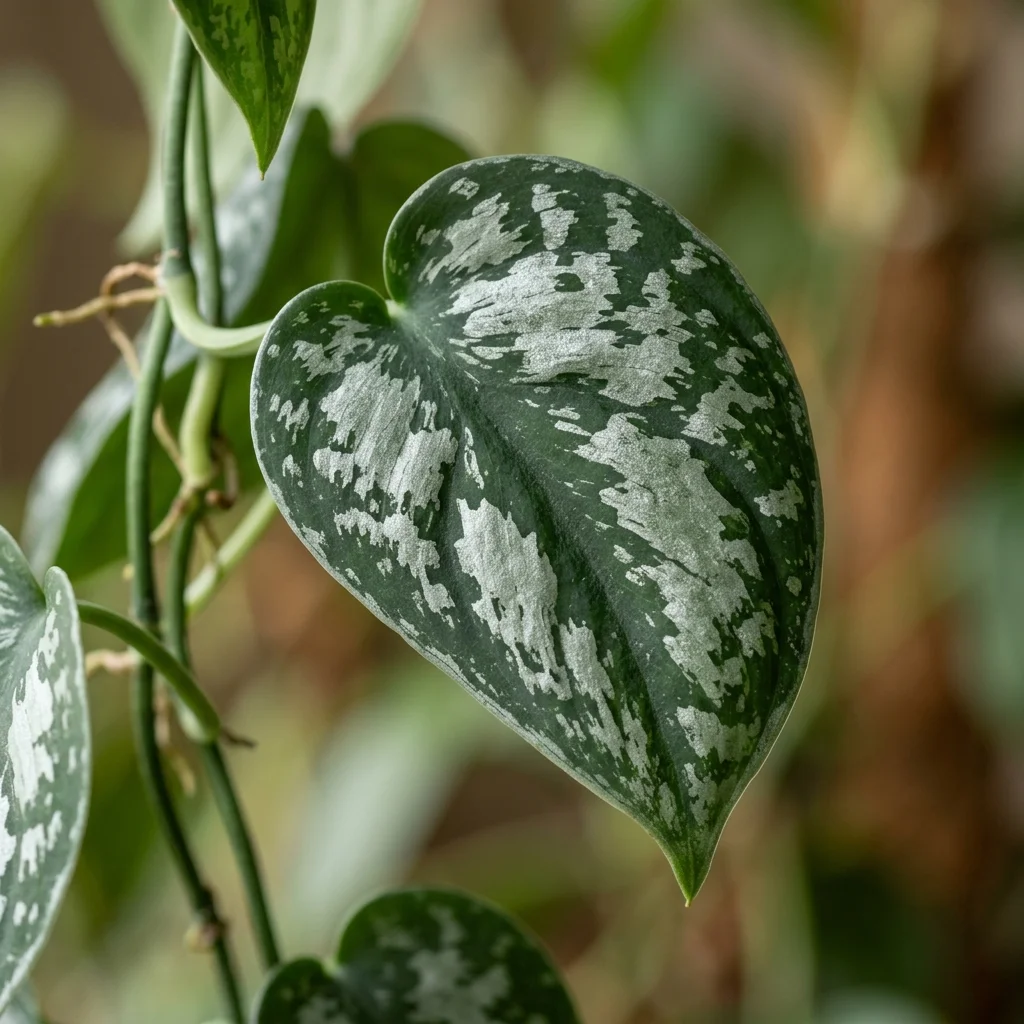
Scindapsus pictus 'Exotica', commonly called the Satin Pothos or Silver Pothos, is a breathtaking, high-end tropical trailing vine. Famous for its thick, leathery, asymmetrical heart-shaped leaves that are highly metallic, it features massive splashes of shimmering silver-green variegation that cover nearly the entire surface, leaving only a thin dark green margin and central stripe.





How to Identify Scindapsus Exotica
Scindapsus Exotica (Scindapsus pictus 'Exotica') is a remarkable ornamental species widely appreciated for its unique aesthetic and structural foliage. Recognizing its definitive visual traits is key to distinguishing it from other similar plants.
-
✔
Key Visual Features: Large, thick, asymmetrical heart-shaped leaves heavily blanketed in shimmering silver-gray metallic splotches with a prominent silver border.
-
✔
Color Variations: Velvety dark green leaves nearly entirely covered by reflective, metallic silver splashes; undersides are a pale, matte green.
-
✔
Common Confusions: Confused with Scindapsus pictus 'Argyraeus' (which has much smaller, thinner leaves with sparse silver spots rather than large splashes).
Complete Care & Cultivation Guide
Follow our detailed scientific care guide to keep your Scindapsus Exotica thriving and gorgeous all year round.
Common Diseases & Treatment
Root Rot
Symptoms: Leaves turn yellow, limp, and drop off; stems turn mushy near the soil, and roots turn black and soft.
Leaf Curl and Shrivel
Symptoms: Thick silver leaves curl tightly into cylinders and turn crispy dry due to prolonged thirst or root damage.
Frequently Asked Questions
Why are my Scindapsus Exotica leaves curling?
Leaf curling is the plant's natural defense against water loss. It indicates either underwatering or root rot (where roots cannot absorb water).
Can Scindapsus Exotica climb up a moss pole?
Yes! While it trailing beautifully, training it to climb a damp moss pole will cause the shingling leaves to grow significantly larger.
Why is the silver variegation on my plant fading?
Variegation fades when the plant is kept in low light. Move it to a brighter spot with consistent, abundant indirect light.
Is Scindapsus Exotica safe for cats?
No. Like all pothos-like plants, Scindapsus Exotica contains insoluble calcium oxalates which are toxic to cats and dogs.