Artillery Fern Care & Identification Guide
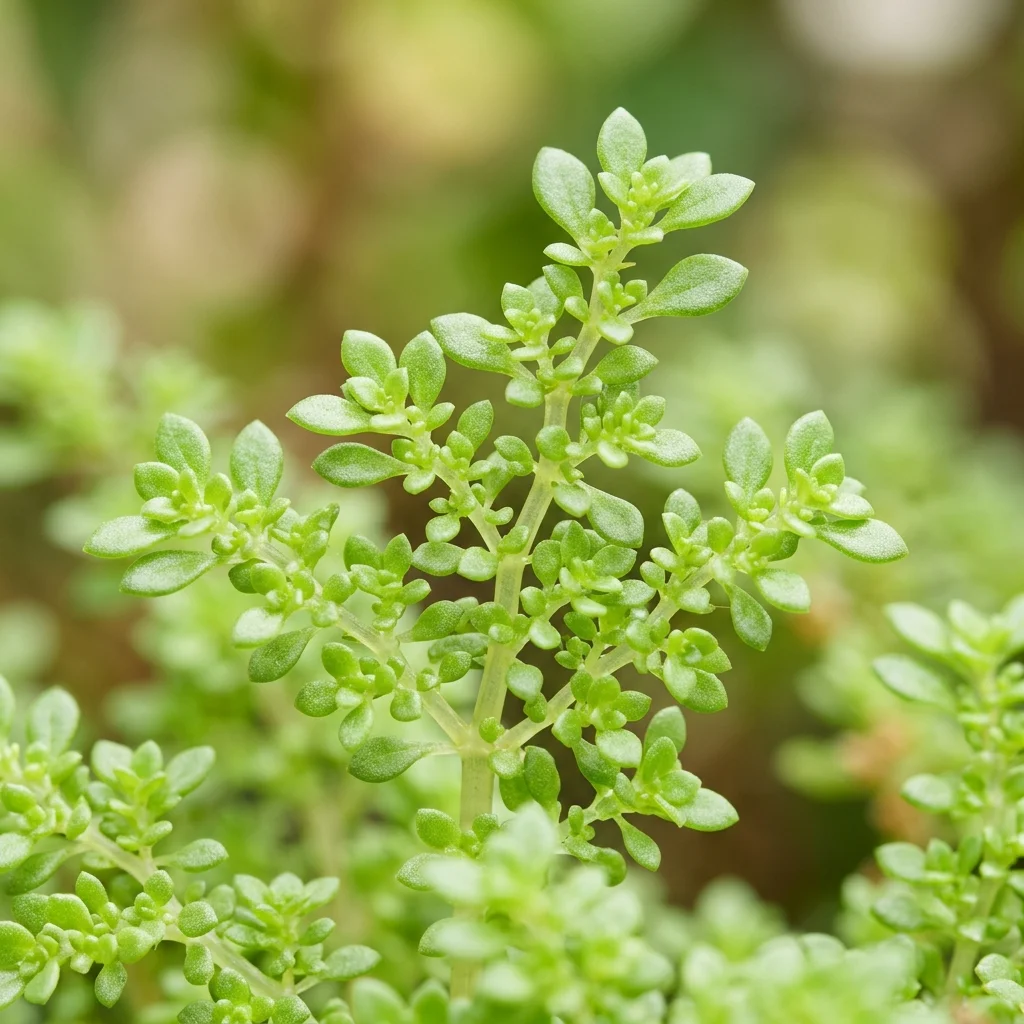
Pilea microphylla, the delicate Artillery Fern or Gunpowder Plant, is a highly unique, moss-like tropical native. Loved for its dense, arching succulent-like stems packed with tiny, teardrop-shaped bright green leaves, it resembles a miniature fern or moss, providing an exceptionally fresh, textured green accent to pots.





How to Identify Artillery Fern
Artillery Fern (Pilea microphylla) is a remarkable ornamental species widely appreciated for its unique aesthetic and structural foliage. Recognizing its definitive visual traits is key to distinguishing it from other similar plants.
-
✔
Key Visual Features: Succulent-like arching stems packed with thousands of tiny, teardrop-shaped light green leaves (less than 1/4 inch long).
-
✔
Color Variations: Lush, light chartreuse to emerald green foliage; stems are translucent pale green; rare variegated form is pink-white.
-
✔
Common Confusions: Confused with actual ferns (which reproduce by spores, while Pilea microphylla is a flowering plant that produces tiny green flowers).
Complete Care & Cultivation Guide
Follow our detailed scientific care guide to keep your Artillery Fern thriving and gorgeous all year round.
Common Diseases & Treatment
Root Rot
Symptoms: Leaves turn yellow, drop off, and translucent stems turn mushy and rot at the base.
Leaf Melt (Fungal)
Symptoms: Tiny leaves turn black and rot in dense clumps under extremely high humidity and zero airflow.
Frequently Asked Questions
Why is it called Artillery Fern?
Because its tiny green flowers forcibly discharge pollen into the air like miniature artillery fire when touched or watered.
Is Artillery Fern an actual fern?
No, it is a flowering plant in the Urticaceae family (nettles). It only looks like a fern because of its delicate, tiny leaves.
Can I grow Artillery Fern in low light?
It can survive, but the stems will stretch out, grow leggy, and lose their dense moss-like appearance. Bright indirect light is best.
Is Artillery Fern safe for cats?
Yes, Pilea microphylla is completely non-toxic and safe for cats, dogs, and all other household pets.