Brasil Philodendron Care & Identification Guide
Philodendron hederaceum 'Brasil', commonly known as Philodendron Brasil, is an iconic, vibrant, and incredibly popular trailing houseplant. Native to tropical South America, it features spectacular heart-shaped leaves painted with a bold, artistic splash of chartreuse, lime green, and cream-yellow down the center, resembling the flag of Brazil.





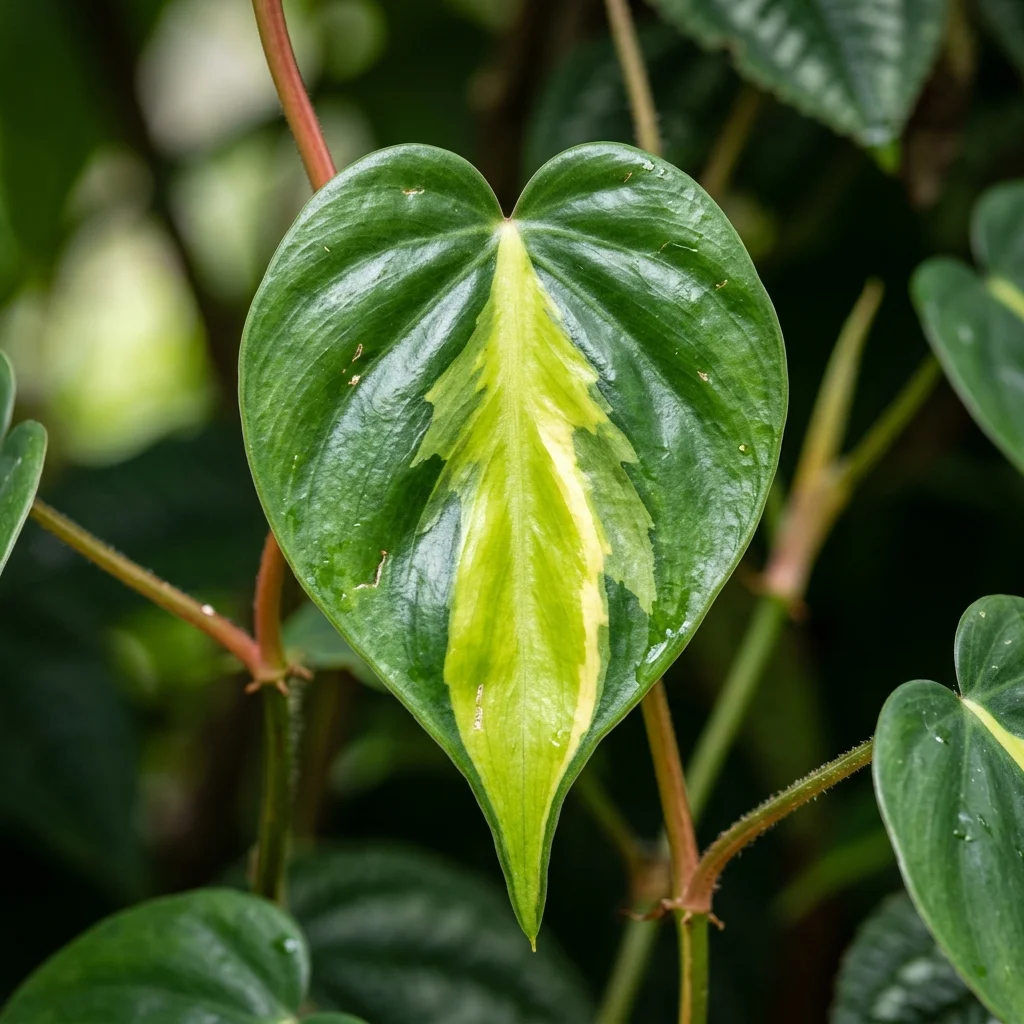
How to Identify Brasil Philodendron
Brasil Philodendron (Philodendron hederaceum 'Brasil') is a remarkable ornamental species widely appreciated for its unique aesthetic and structural foliage. Recognizing its definitive visual traits is key to distinguishing it from other similar plants.
-
✔
Key Visual Features: Heart-shaped leathery leaves displaying dramatic, paintbrush-like stripes of chartreuse and yellow down the center.
-
✔
Color Variations: Striking lengthwise stripes of bright lime green, chartreuse, and rich cream-yellow on a deep green leaf blade; stems are pinkish-orange.
-
✔
Common Confusions: Confused with Neon Pothos (which has solid chartreuse leaves, while Brasil has distinct green and yellow variegation).
Complete Care & Cultivation Guide
Follow our detailed scientific care guide to keep your Brasil Philodendron thriving and gorgeous all year round.
Common Diseases & Treatment
Root Rot
Symptoms: Heart leaves turn yellow, drop off rapidly, stems turn mushy near the soil, and roots turn black and soft.
Faded Variegation
Symptoms: The brilliant yellow and chartreuse leaf stripes turn a dull, dusty green, and the stem nodes grow very far apart.
Frequently Asked Questions
Why is my Philodendron Brasil losing its variegation?
Variegation fades when the plant is kept in low light. Move it to a brighter spot with consistent, abundant indirect light.
How often should I water my Philodendron Brasil?
Typically once every 7 to 10 days, but always check the soil. Water only when the top 2 inches of soil feel completely dry.
Are the stems of Philodendron Brasil supposed to be pink?
Yes! New stems and sheaths naturally emerge with a beautiful pinkish-orange or red color, which is a normal characteristic of this cultivar.
Is Philodendron Brasil safe for cats?
No. Like all Philodendrons, it contains calcium oxalate crystals which are toxic to dogs and cats, causing mouth irritation and drooling.