Algerian Ivy Care & Identification Guide
Hedera canariensis, commonly called Algerian Ivy or Canary Ivy, is a robust, large-leaved evergreen climber native to North Africa. Noted for its thick, leathery, dark green leaves held on distinctive burgundy-red petioles, it grows faster and tolerates heat and humidity much better than its English Ivy relative.





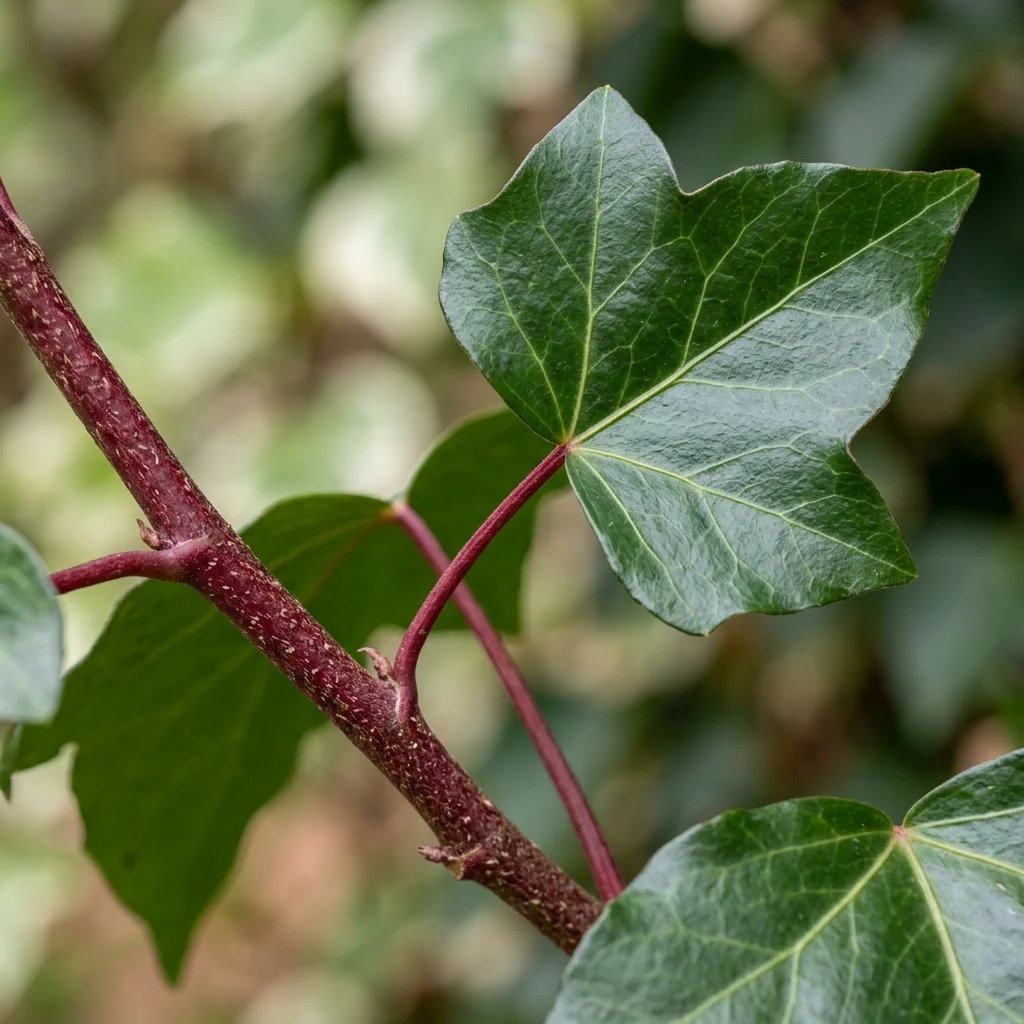
How to Identify Algerian Ivy
Algerian Ivy (Hedera canariensis) is a remarkable ornamental species widely appreciated for its unique aesthetic and structural foliage. Recognizing its definitive visual traits is key to distinguishing it from other similar plants.
-
✔
Key Visual Features: Colossal, leathery, shallowly-lobed dark green leaves attached to prominent, deep burgundy-red stems and petioles.
-
✔
Color Variations: Rich dark green foliage with lighter green veins; variegation forms (such as 'Gloire de Marengo') feature creamy-white edges.
-
✔
Common Confusions: Confused with Hedera helix (which has much smaller, deeply lobed leaves and lacks the distinct red petioles).
Complete Care & Cultivation Guide
Follow our detailed scientific care guide to keep your Algerian Ivy thriving and gorgeous all year round.
Common Diseases & Treatment
Fungal Leaf Spot
Symptoms: Brown to black spots of varying sizes appear on the large leaves, eventually merging and causing leaf death.
Phytophthora Root Rot
Symptoms: Growth stunts, leaves turn dull yellow-brown, and the main underground stem base rots and turns mushy.
Frequently Asked Questions
Can Algerian Ivy grow in deep shade?
Yes, Algerian Ivy is highly shade-tolerant, making it perfect for dimmer rooms, though it will grow slower and produce smaller leaves.
Why are my Algerian Ivy stems turning brown and woody?
As Algerian Ivy mature, older stems naturally become woody and bark-like. This is normal and provides structural support for the vine.
How fast does Algerian Ivy grow?
Under bright indirect light and warm temperatures, it is a very fast grower, easily climbing 2 to 3 feet in a single growing season.
Is Algerian Ivy safe for cats and dogs?
No. Like most ivies, Algerian Ivy contains toxic saponins that cause vomiting, excessive drooling, and abdominal pain if ingested by pets.