Heartleaf Philodendron Care & Identification Guide
Philodendron hederaceum, the classic Heartleaf Philodendron, is widely celebrated as one of the most resilient and forgiving houseplants in existence. Featuring gorgeous, glossy, dark green heart-shaped leaves cascading along graceful vining stems, it thrives in low-light rooms where other plants fail, making it a premium staple for beginners.





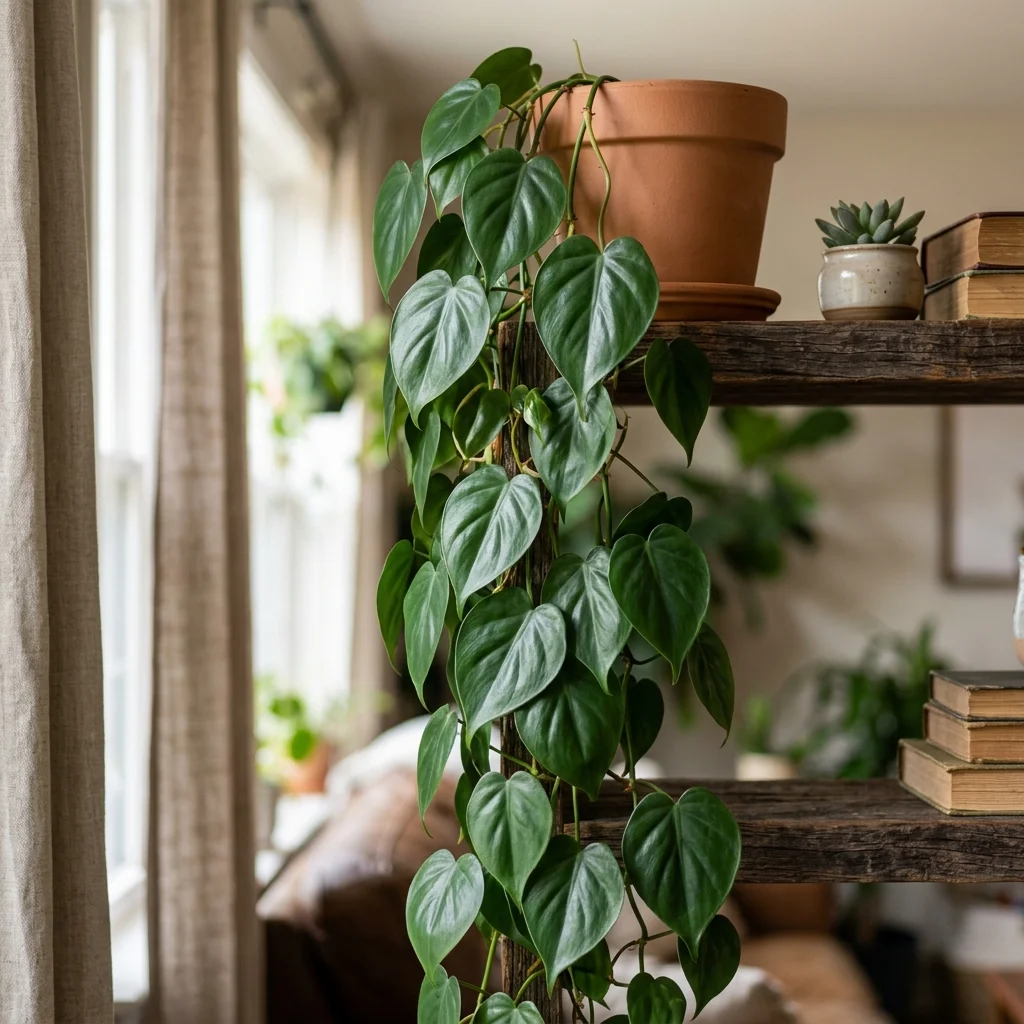
How to Identify Heartleaf Philodendron
Heartleaf Philodendron (Philodendron hederaceum) is a remarkable ornamental species widely appreciated for its unique aesthetic and structural foliage. Recognizing its definitive visual traits is key to distinguishing it from other similar plants.
-
✔
Key Visual Features: Glossy, perfectly heart-shaped leaves on long, slender, trailing stems with short petiole structures.
-
✔
Color Variations: Solid deep forest green; cultivars like 'Brasil' showcase spectacular neon yellow and cream variegated streaks.
-
✔
Common Confusions: Often confused with Pothos (Epipremnum aureum). Philodendrons have thinner, perfectly heart-shaped leaves with distinct papery sheaths.
Complete Care & Cultivation Guide
Follow our detailed scientific care guide to keep your Heartleaf Philodendron thriving and gorgeous all year round.
Common Diseases & Treatment
Root Rot (Overwatering)
Symptoms: Stems turn mushy near the soil level; lower leaves yellow and drop rapidly.
Leaf Spot (Bacterial)
Symptoms: Wet, dark brown patches with translucent edges form on leaf tips.
Frequently Asked Questions
What is the difference between Heartleaf Philodendron and Pothos?
Philodendrons have thinner, perfectly symmetrical heart-shaped leaves with a matte finish, distinct papery sheaths, and aerial roots at nodes.
Can Heartleaf Philodendron grow in low light?
Yes! It is exceptionally tolerant of low light levels, making it ideal for windowless offices or dark corners, though it grows slower.
How often should I water my Heartleaf Philodendron?
Water only when the top half of the soil is completely dry. In typical home conditions, this is about once every 10 to 14 days.
Is Heartleaf Philodendron toxic to pets?
Yes, it contains calcium oxalate crystals. It can cause swelling of the mouth and tongue if ingested by pets; keep elevated.