Ti Plant Care & Identification Guide
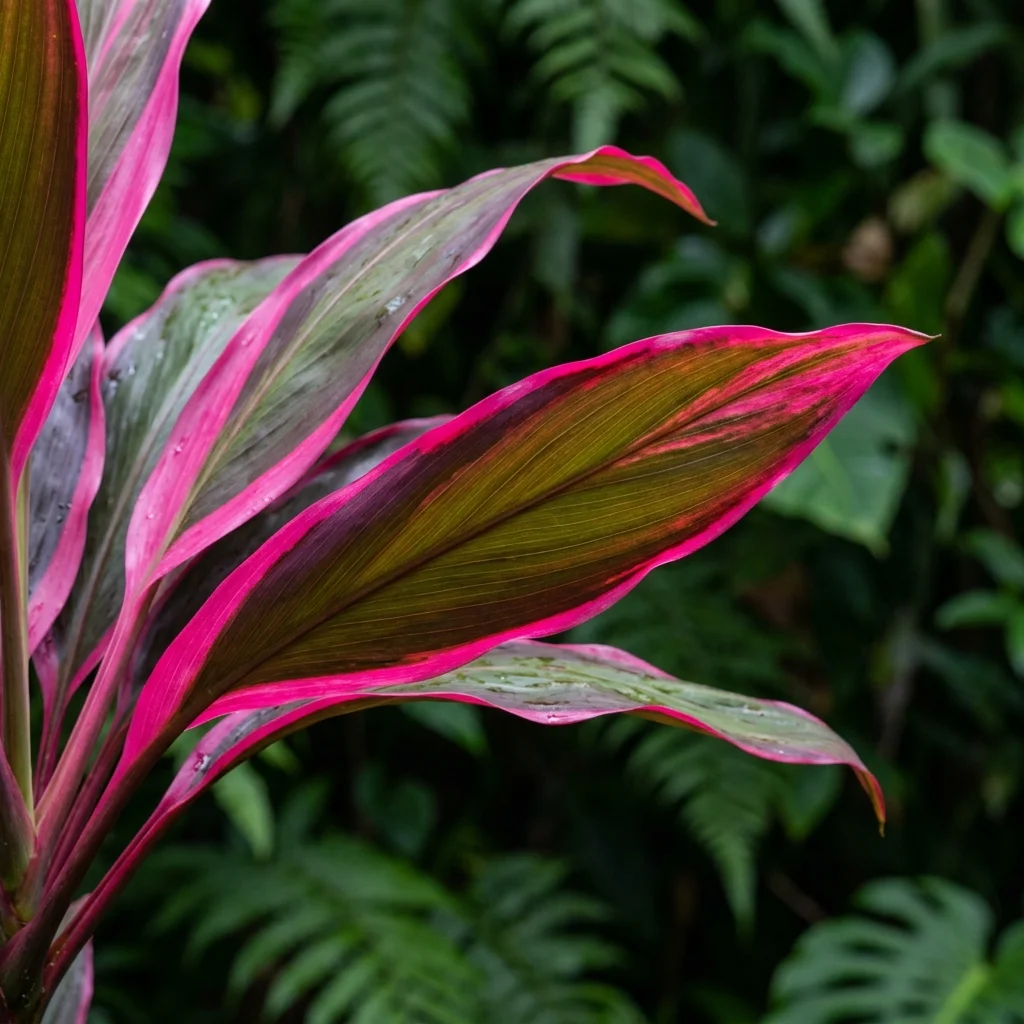
Cordyline fruticosa, the magnificent Ti Plant or Hawaiian Good Luck Plant, is a breathtaking, highly colorful tropical native. Celebrated for its tall palm-like canes and arching lanceolate leaves displaying a stunning neon-pink, deep purple, and olive-green coloration, it injects a highly colorful, tropical designer statement into bright spaces.





How to Identify Ti Plant
Ti Plant (Cordyline fruticosa) is a remarkable ornamental species widely appreciated for its unique aesthetic and structural foliage. Recognizing its definitive visual traits is key to distinguishing it from other similar plants.
-
✔
Key Visual Features: Tall woody canes packed with long, arching lanceolate leaves displaying brilliant neon-pink and deep burgundy margins.
-
✔
Color Variations: Olive-green blades with stark contrasting neon-pink, deep purple-red, and copper stripes; new leaves emerge bright pink.
-
✔
Common Confusions: Confused with Dracaena (which has similar lanceolate foliage but lacks the intense neon-pink coloration found in Ti Plants).
Complete Care & Cultivation Guide
Follow our detailed scientific care guide to keep your Ti Plant thriving and gorgeous all year round.
Common Diseases & Treatment
Root Rot
Symptoms: Leaves turn yellow or brown, drop off rapidly, and roots turn black and mushy.
Fluoride Toxicity
Symptoms: Leaf margins and pointed tips turn dry, crispy, and dark brown, expanding rapidly.
Frequently Asked Questions
Why is my Ti Plant losing its bright pink color?
Inadequate light is the main cause. Move your Ti Plant to a brighter spot with plenty of indirect sunlight to restore neon pink colors.
Can I grow Cordyline fruticosa outdoors?
Yes, in warm tropical climates (zones 10-12). In colder climates, it must be grown indoors as a houseplant during winter.
How large does a Ti Plant grow indoors?
Indoors, it typically reaches 3-5 feet tall, forming a beautiful, structural tall palm-like specimen.
Is Cordyline fruticosa safe for dogs?
No, it contains saponins. It is highly toxic to dogs and cats, causing mouth irritation, drooling, vomiting, and loss of appetite.