Kong Coleus Care & Identification Guide
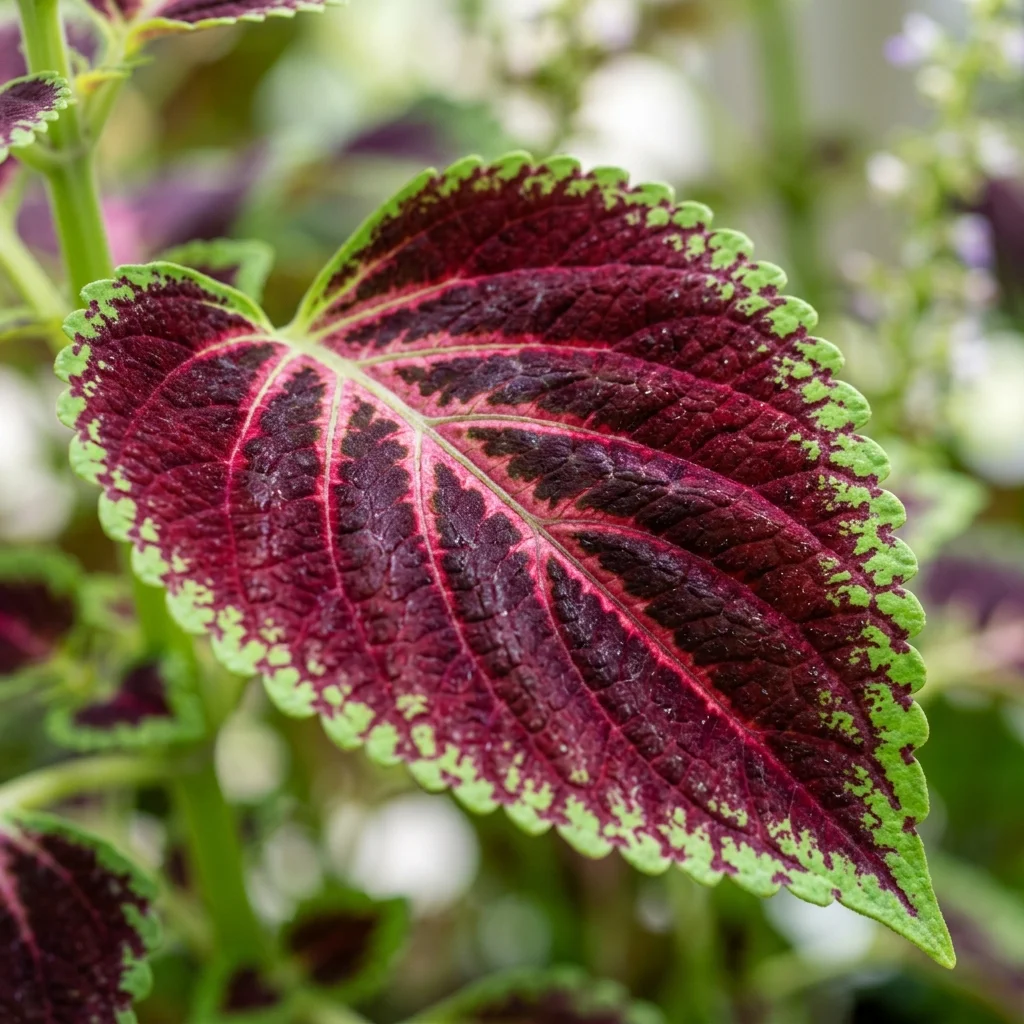
Coleus scutellarioides 'Kong', the legendary Kong Coleus, is a breathtaking giant of the shade garden. Celebrated for its colossal, oversized leaves that grow up to 8 inches wide and display a stunning neon camouflage pattern of hot magenta-pink, deep burgundy, and bright lime margins, it offers an unmatched tropical visual footprint.




How to Identify Kong Coleus
Kong Coleus (Coleus scutellarioides 'Kong') is a remarkable ornamental species widely appreciated for its unique aesthetic and structural foliage. Recognizing its definitive visual traits is key to distinguishing it from other similar plants.
-
✔
Key Visual Features: Colossal, massive serrated leaves (up to 8 inches wide) featuring bold, symmetrical heart-shaped centers of deep pink and burgundy.
-
✔
Color Variations: Rich velvet burgundy-black blades with stark contrasting hot pink centers and light lime-green borders.
-
✔
Common Confusions: Confused with Coleus 'Wizard' (which has much smaller leaves, whereas Kong is a giant-leaf cultivar).
Complete Care & Cultivation Guide
Follow our detailed scientific care guide to keep your Kong Coleus thriving and gorgeous all year round.
Common Diseases & Treatment
Root Rot
Symptoms: Leaves turn yellow or brown, drop off rapidly, and roots turn black and mushy.
Downy Mildew
Symptoms: Dusty gray-brown fuzz appears on leaf undersides, causing leaves to curl and drop.
Frequently Asked Questions
Why are my Coleus Kong leaves drooping so much?
drooping is a classic sign of dry soil. Coleus Kong has massive leaves that transpire water quickly. Water deeply; it will perk up in an hour.
Can I grow Coleus Kong indoors?
Yes! It makes a fantastic, highly colorful houseplant if placed near a bright window with abundant indirect light.
Should I prune the flowers on my Kong Coleus?
Yes, always pinch off the flower stalks immediately. This forces the plant to concentrate its energy on growing massive leaves.
Is Coleus Kong toxic to pets?
Yes, it contains toxic compounds that are harmful to dogs and cats, causing vomiting, diarrhea, and depression.