Alocasia zebrina

Zebra Alocasia Care & Identification Guide

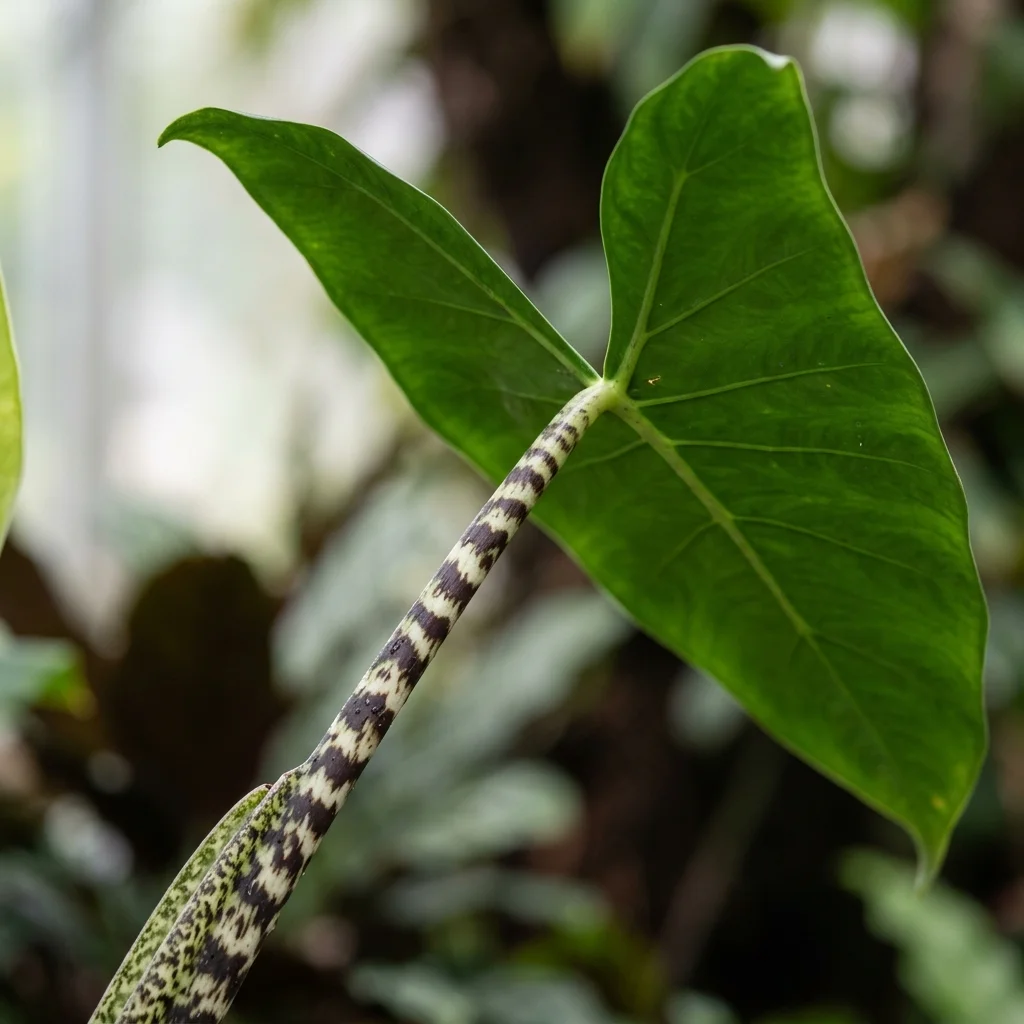
Alocasia zebrina is an extraordinary tropical masterpiece celebrated for its unique stem aesthetics. Prized not for its leaves, but for its tall, elegant petioles decorated with high-contrast, zebra-like bands of dark green, black, and cream, it supports large arrow-shaped emerald green leaves, creating a premium architectural floor statement.


Sunlight Icon
Sunlight Bright Indirect Light
Watering Icon
Watering Moderate
Soil Mix Icon
Soil Mix Extremely Well-draining Chunky
Temperature Icon
Temperature 18°C - 26°C
Toxicity Warning Icon
Toxicity Highly Toxic to Pets
Botanical macro photography of Zebra Alocasia (Alocasia zebrina) - Plant AI care database

How to Identify Zebra Alocasia

Zebra Alocasia (Alocasia zebrina) is a remarkable ornamental species widely appreciated for its unique aesthetic and structural foliage. Recognizing its definitive visual traits is key to distinguishing it from other similar plants.

  • Key Visual Features: Large, glossy, arrow-shaped green leaves supported by incredibly striking zebra-striped black, green, and cream stems.
  • Color Variations: Stems feature highly defined alternating bands of black-brown and pale yellow-green; leaves are solid, shiny emerald green.
  • Common Confusions: Confused with Alocasia macrorrhizos (which has plain green stems) or Alocasia stingray (which has a tail-like leaf tip).
💡 Plant AI Tip: Not sure? Take a photo with Plant AI to identify your houseplants instantly.

Complete Care & Cultivation Guide

Follow our detailed scientific care guide to keep your Zebra Alocasia thriving and gorgeous all year round.

Water when the top 2-3 inches of soil are dry. It is highly sensitive to root rot; avoid letting the roots sit in saturated potting mix.
Prune only when lower leaves naturally yellow and dry. Cut above the base of the striped stems using sterile bypass shears.
Feed monthly in spring/summer with a balanced liquid organic houseplant fertilizer diluted to half strength. Skip winter feeding.
Requires high-intensity bright indirect light to maintain its bold stem colors. Low light causes stems to stretch, bend, and snap.
Highly porous, chunky mix: 35% peat moss, 30% orchid bark, 25% perlite, and 10% charcoal/worm castings. pH 5.5-6.5.
Propagated by separating corms or offsets from the base during the spring repotting season. Sprout corms in warm, moist sphagnum.
Warm tropical temperatures (18°C-26°C). Highly sensitive to cold drafts under 15°C which trigger immediate stem collapse.
Needs deep, heavy pots to anchor its tall, top-heavy stems. Repot every 1-2 years to check corm health and provide fresh mix.
Inspect striped stems and leaf undersides weekly for spider mites and scale insects. Clean with neem oil solution every 7 days.
Vulnerable to Pythium root rot and bacterial leaf spot if soil remains wet or if air circulation is poor.
Rotate the pot 90 degrees every week. The tall stems lean aggressively toward the light; rotating keeps growth perfectly upright.

Is your Zebra Alocasia leaves turning yellow, dry or brown?

Keep your indoor garden vibrant. Take a photo with Plant AI to diagnose pests and leaf spot diseases instantly.

Diagnose My Plant

Common Diseases & Treatment

Stem Rot (Bacterial)

Symptoms: Lower part of the striped stems turns soft, mushy, and collapses under the weight of the leaves.

Action: Cut off collapsed stems immediately, reduce watering, improve air movement, and apply organic copper fungicide.

Root Rot

Symptoms: Leaves yellow and wilt; stems turn limp and soil smells foul; roots turn black and mushy.

Action: Trim rotten roots, sanitize the pot, and repot instantly in fresh, fast-draining chunky aroid soil.

Frequently Asked Questions

Why are the stems of my Alocasia Zebrina bending and drooping?

Drooping stems are usually due to inadequate light (stretching), overwatering (root rot), or underwatering. Move it to a brighter spot.

How large does Alocasia Zebrina grow indoors?

With proper bright indirect light and fertilizer, it can grow up to 3-4 feet tall, making it a spectacular architectural floor specimen.

Why are the tips of my Zebrina leaves sweating?

This is guttation—the release of excess water. It is a sign the soil is very wet. Let the top few inches dry out more before watering.

Is Alocasia Zebrina toxic to dogs?

Yes, it contains calcium oxalate crystals. It is highly toxic to dogs and cats, causing mouth irritation, drooling, and vomiting.

No more dying plants. Grow healthy greens today!

Get Started for Free