Alocasia cuprea

Mirror Plant Care & Identification Guide

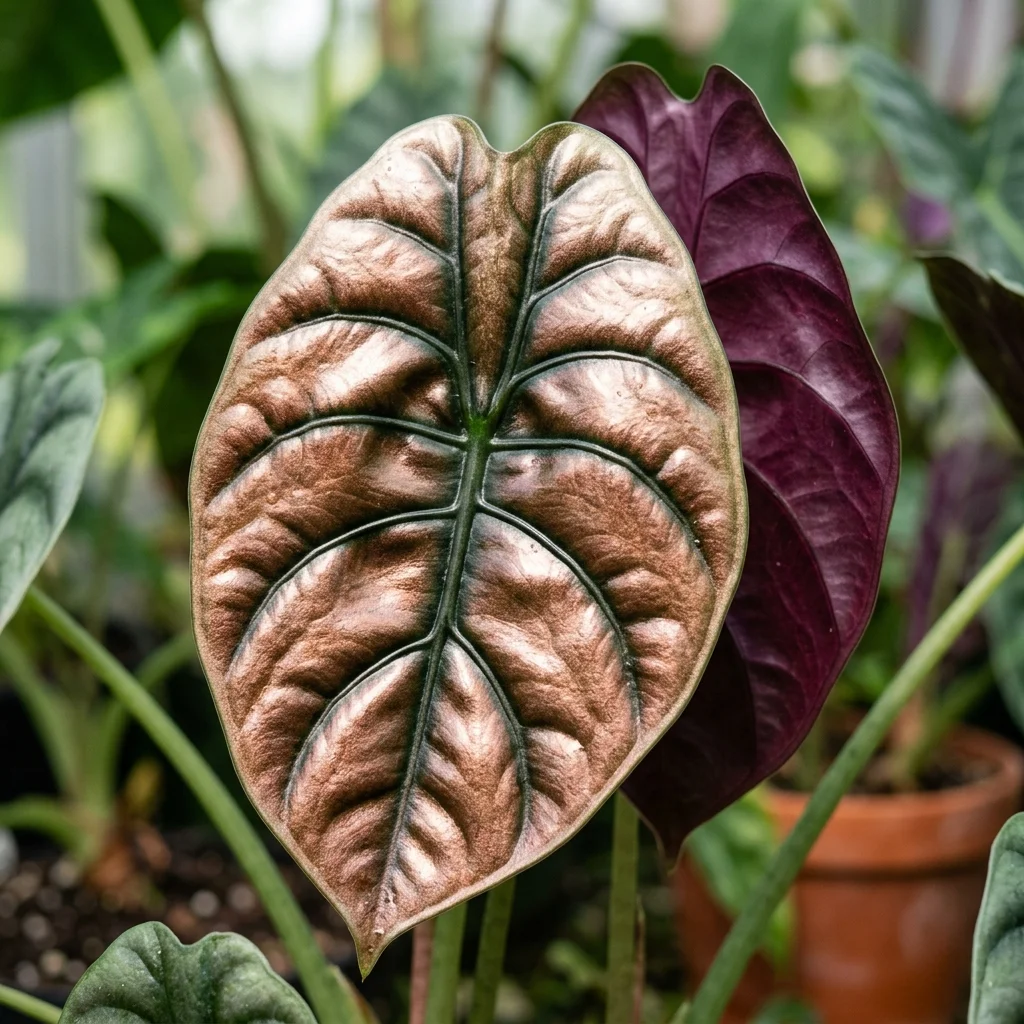
Alocasia cuprea, famously known as the Mirror Plant or Jewel Alocasia, is an exquisite, metallic tropical native. Prize-winning for its thick, shiny leaves decorated with a stunning coppery-bronze metallic sheen and deep embossed dark green veins, it features brilliant, solid purple-red undersides, adding a premium metallic, futuristic statement.


Sunlight Icon
Sunlight Bright Indirect Light
Watering Icon
Watering Moderate
Soil Mix Icon
Soil Mix Extremely Chunky Airy Mix
Temperature Icon
Temperature 18°C - 25°C
Toxicity Warning Icon
Toxicity Highly Toxic to Pets
Botanical macro photography of Mirror Plant (Alocasia cuprea) - Plant AI care database

How to Identify Mirror Plant

Mirror Plant (Alocasia cuprea) is a remarkable ornamental species widely appreciated for its unique aesthetic and structural foliage. Recognizing its definitive visual traits is key to distinguishing it from other similar plants.

  • Key Visual Features: Thick, shiny coppery-bronze leaves with a metallic mirror-like sheen and deeply embossed, dark green veins.
  • Color Variations: Metallic coppery-red background with contrasting dark forest-green veins; leaf undersides are a striking solid red-purple.
  • Common Confusions: Confused with Alocasia baginda 'Dragon Scale' (which has silver-green leaves, whereas Cuprea has a coppery metallic sheen).
💡 Plant AI Tip: Not sure? Take a photo with Plant AI to identify your houseplants instantly.

Complete Care & Cultivation Guide

Follow our detailed scientific care guide to keep your Mirror Plant thriving and gorgeous all year round.

Water when the top 3 inches of soil are dry. It is extremely sensitive to root rot; avoid letting the roots sit in saturated potting mix.
Prune yellowing lower leaves at the base in spring using sharp sterilized shears. Wear gloves as the sap can cause skin irritation.
Apply half-strength liquid foliage fertilizer once every 4 weeks in spring and summer. Skip winter fertilization.
Requires bright, consistent indirect light. Avoid hot direct sun which burns the leaves and fades coppery metallic colors.
Extremely chunky, airy mix: 40% orchid bark, 30% perlite, 20% coco coir, and 10% charcoal/worm castings (pH 5.5-6.5).
Propagated by separating corms or offsets from the base during the spring repotting season. Sprout corms in moist sphagnum.
Warm room temperatures (18°C-25°C). Avoid sudden cold temperature drops below 15°C which trigger dormancy.
Choose small, snug pots with excellent drainage holes. Prefers slightly tight, cozy containers. Repot every 1-2 years.
Highly prone to spider mites in dry air. Spray weekly with organic neem oil and maintain humidity above 55%.
Vulnerable to Fusarium root rot and Pseudomonas leaf spot if soil remains waterlogged or air circulation is poor.
Wipe the shiny leaves monthly with a soft damp cloth. High humidity (above 55%) is crucial to keep the metallic mirror sheen bright.

Is your Mirror Plant leaves turning yellow, dry or brown?

Keep your indoor garden vibrant. Take a photo with Plant AI to diagnose pests and leaf spot diseases instantly.

Diagnose My Plant

Common Diseases & Treatment

Foliage Spotting

Symptoms: Small water-soaked tan or brown spots expand on the textured coppery leaf surfaces.

Action: Prune infected leaves, improve airflow, avoid misting leaves, and apply organic copper fungicide.

Root Rot

Symptoms: Leaves yellow and wilt; stems turn mushy and dark; roots turn black and mushy.

Action: Prune rotten roots and repot in fresh, highly porous, fast-draining soil mix.

Frequently Asked Questions

Why are the leaves of my Alocasia Cuprea losing their metallic sheen?

Inadequate light is the main cause. Move your Cuprea to a brighter spot with plenty of indirect sunlight to enhance coppery sheen.

How large does Alocasia Cuprea grow?

It is a compact jewel variety, typically growing only 12-18 inches tall, making it a perfect tabletop or shelf specimen.

Why are the tips of my Cuprea leaves turning brown?

Brown, crispy edges are a sign of low humidity or chemical salts in tap water. Switch to distilled water and use a humidifier.

Is Alocasia Cuprea safe for dogs?

No, like all Alocasias, it contains calcium oxalate crystals. It is highly toxic to pets, causing mouth irritation and throat swelling.

No more dying plants. Grow healthy greens today!

Get Started for Free