Wishes Aglaonema Care & Identification Guide
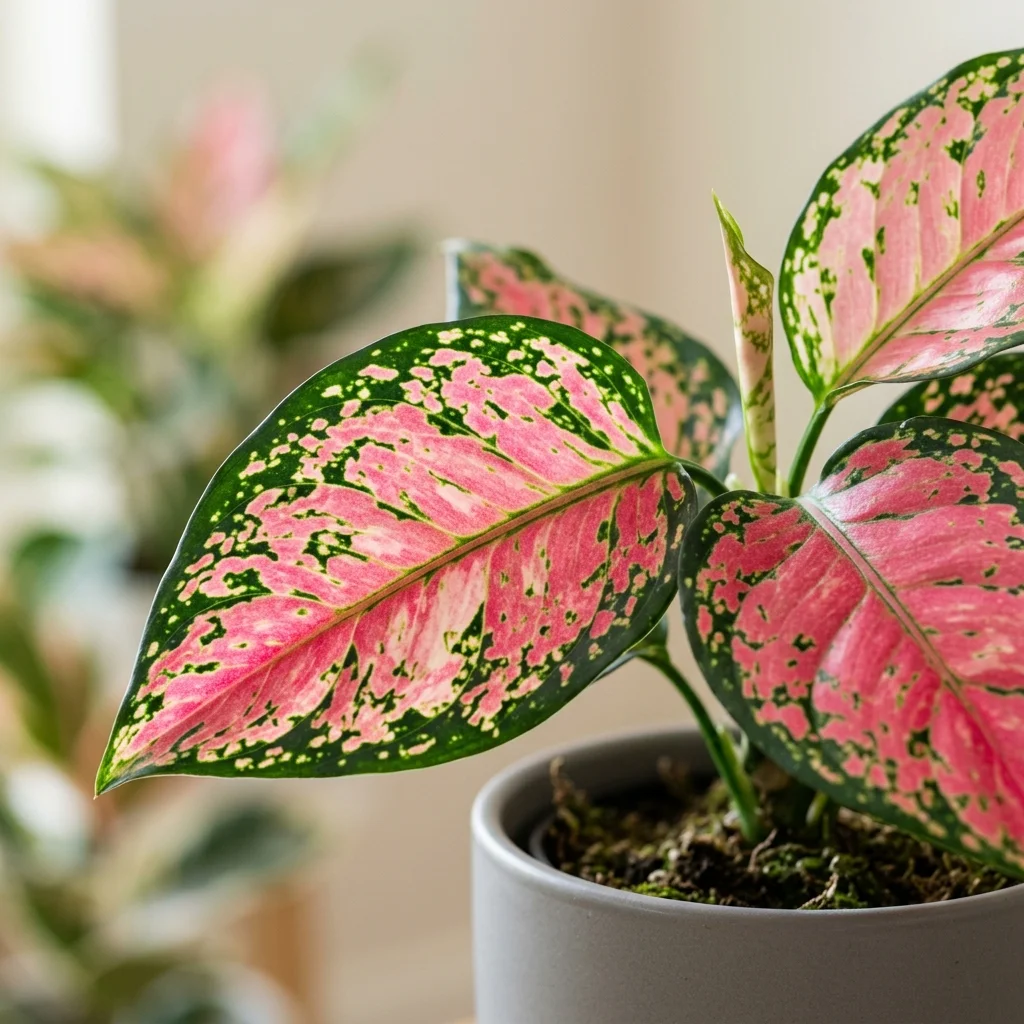
Aglaonema 'Wishes', the breathtaking pink-variegated Chinese Evergreen, is a modern masterpiece of color. Prize-winning for its broad, lush leaves displaying a stunning splash of vibrant neon-pink and soft cream offset by dark forest-green borders, it injects a highly colorful, cheerful energy into bright rooms.





How to Identify Wishes Aglaonema
Wishes Aglaonema (Aglaonema 'Wishes') is a remarkable ornamental species widely appreciated for its unique aesthetic and structural foliage. Recognizing its definitive visual traits is key to distinguishing it from other similar plants.
-
✔
Key Visual Features: Broad oval leaves heavily splashed with soft baby-pink and vibrant neon-pink spots surrounded by rich green margins.
-
✔
Color Variations: Striking neon-pink base color with cream flecks and dark forest-green edges; leaf stems are a beautiful light pink.
-
✔
Common Confusions: Confused with Aglaonema 'Lady Valentine' (which has more green mottling, while Wishes features broad, solid pink centers).
Complete Care & Cultivation Guide
Follow our detailed scientific care guide to keep your Wishes Aglaonema thriving and gorgeous all year round.
Common Diseases & Treatment
Root Rot
Symptoms: Leaves yellow and droop rapidly; stems turn mushy and dark near the base; roots turn black.
Bacterial Leaf Spot
Symptoms: Brown spots expand rapidly on the beautiful pink leaf center under poor airflow.
Frequently Asked Questions
Why is the pink color on my Aglaonema Wishes fading?
Fading pink color is caused by insufficient light. Move your Wishes to a brighter spot with plenty of indirect sunlight to restore neon pink colors.
Can Aglaonema Wishes tolerate direct sun?
No, direct afternoon sun will scorch the delicate pink leaf centers. Bright indirect light is perfect.
How large does Aglaonema Wishes grow?
It typically grows 2-3 feet tall and wide, forming a beautiful, dense clump of colorful foliage.
Is Aglaonema Wishes safe for dogs?
No, it contains calcium oxalate crystals. It is toxic to dogs and cats, causing oral irritation and throat swelling.