Scabiosa Care & Identification Guide
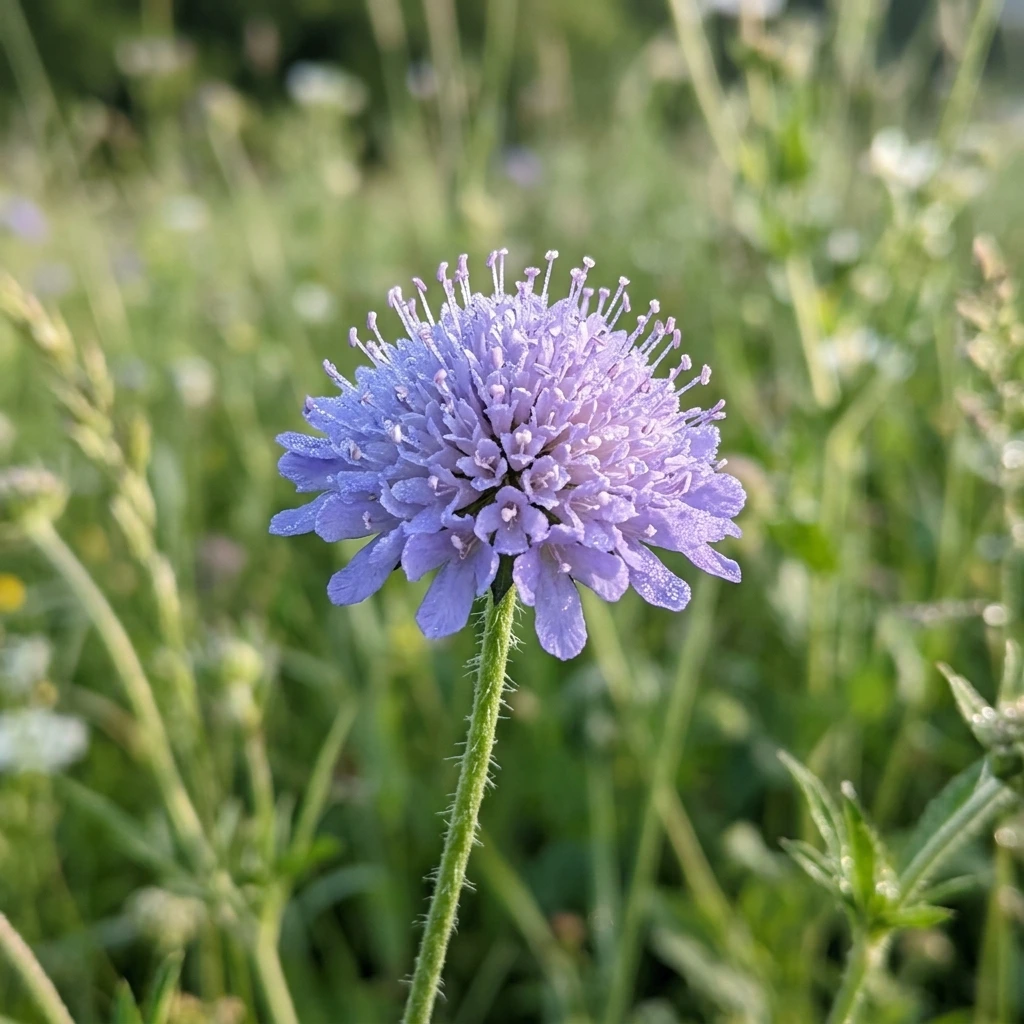
An airy and elegant darling of the butterfly garden, Scabiosa, commonly known as the Pincushion Flower, is celebrated for its dome-shaped blossoms that perfectly resemble a soft pin cushion bristling with tiny pins. Swaying gracefully on slender, wiry stems above a neat mound of deeply cut green leaves, this long-blooming beauty is a magnet for bees and butterflies, with its pet-safe status making it a beautiful, worry-free addition to sunny borders. It is widely celebrated by botanists for its distinct environmental adaptability and structural appeal.




How to Identify Scabiosa
A mound-forming, clump-forming herbaceous perennial characterized by deeply cut, lobed foliage and dome-shaped flower heads held on slender, wiry stems.
-
✔
Key Visual Features: Deeply divided, fern-like or lobed gray-green leaves forming a neat basal mound; slender, wiry, leafless stems topped with a single dome-shaped flower head.
-
✔
Color Variations: Dreamy lavender-blue, deep violet, soft pastel pink, pure white, and dramatic dark burgundy-red, all with highly prominent white stamens.
-
✔
Common Confusions: Can be confused with Centaurea or small Dahlias, but Scabiosa is uniquely identified by its wiry stems, deeply cut basal foliage, and the protruding 'pin' stamens on its dome-shaped center.
Complete Care & Cultivation Guide
Follow our detailed scientific care guide to keep your Scabiosa thriving and gorgeous all year round.
Common Diseases & Treatment
Powdery Mildew (Fungal)
Symptoms: Powdery white fungal spots spreading across the leaves in warm, humid weather with poor air circulation.
Root Rot (Fungal)
Symptoms: Rotting of the root system during cold, wet winters, caused by heavy, compacted clay soil that retains water.
Frequently Asked Questions
Why is it called the Pincushion Flower?
Due to its unique stamens! The flower head of Scabiosa consists of a dense, dome-shaped central cluster of small florets surrounded by a ring of larger outer petals. As the central florets open, their long, slender stamens protrude outward, making the flower look exactly like a round pincushion stuck full of tiny dressmaker pins.
Is Scabiosa safe for my pets?
Yes! Scabiosa is completely non-toxic to dogs, cats, and horses. It is one of the safest and most charming cottage garden plants you can cultivate, allowing you to grow a beautiful, bee-friendly cutting garden without any safety worries.
How do I keep my Scabiosa blooming all summer?
Deadhead regularly! Scabiosa is a continuous bloomer from late spring until the first frost. However, to maintain this heavy bloom production, you must snip off the spent flower heads as soon as they fade. Follow the wiry stem down to the foliage mound and cut it there to encourage new flower buds to emerge.
What type of soil does Scabiosa need?
Alkaline and fast-draining! Scabiosa is native to limestone-rich, rocky hillsides in Europe. It thrives in neutral-to-alkaline soils (pH 7.0-8.0) and will struggle or die in highly acidic soils. Crucially, the soil must be gravelly or sandy; if the roots sit in heavy, wet clay during winter, they will quickly rot.