Rosa

Rose Care & Identification Guide

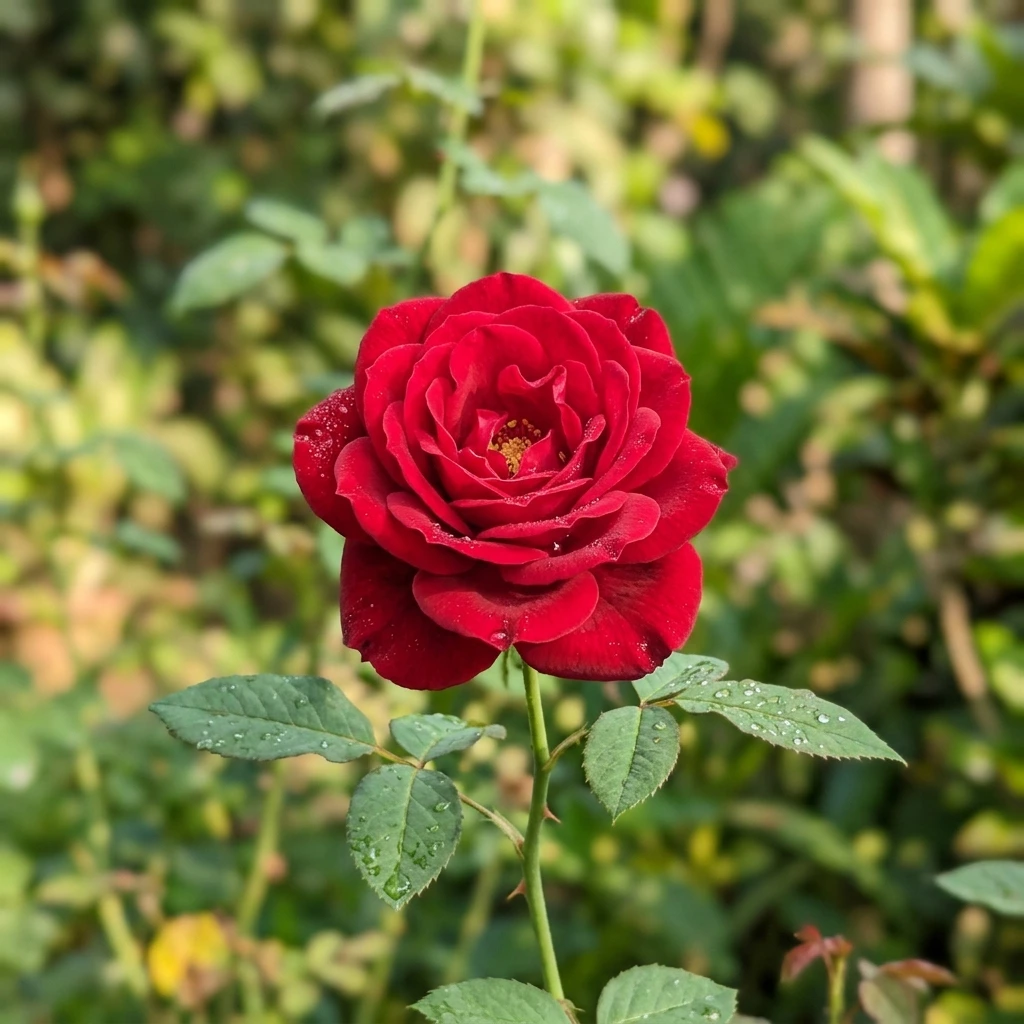
The Rose (Rosa) is the ultimate timeless symbol of romance, elegance, and beauty in the botanical world. With a rich history of cultivation spanning thousands of years across Asia, Europe, and North America, roses have evolved into thousands of breathtaking cultivars. Beyond their striking layered petals and deep signature fragrance, they exhibit strong woody stems covered in defensive thorns. Perfect for formal garden borders, arbors, or container gardening, roses demand attentive and dedicated horticultural care to achieve their legendary, prolific blooms.


Sunlight Icon
Sunlight Full Sun
Watering Icon
Watering Moderate
Soil Mix Icon
Soil Mix Moist, rich
Temperature Icon
Temperature 15°C - 25°C
Toxicity Warning Icon
Toxicity Non-toxic
Botanical macro photography of Rose (Rosa) - Plant AI care database

How to Identify Rose

Rose (Rosa) is a remarkable botanical species widely appreciated for its unique aesthetic and structural appeal. Recognizing its definitive visual traits is key to distinguishing it from other similar plants.

  • Key Visual Features: Exhibits characteristic growth habits, custom foliage morphology, and plant structure typical of classic species.
  • Color Variations: Vibrant color variations primarily seen in cultivated or natural wild forms of Rose.
  • Common Confusions: Can sometimes be confused with other low-growing or related classic plants, but can be quickly identified by its distinct leaf texture and bloom patterns.
💡 Plant AI Tip: If you are not sure, take a photo with Plant AI to identify it instantly.

Complete Care & Cultivation Guide

Follow our detailed scientific care guide to keep your Rose thriving and gorgeous all year round.

Roses require deep, consistent watering rather than frequent light sprinkles. Water twice a week during spring and summer, delivering about 1.5 to 2 inches of water per week directly to the root zone. Ensure the top 2 inches of soil are dry before watering again. During hot summer dry spells, increase frequency to three times a week. Always water early in the morning to allow any accidental foliage moisture to evaporate quickly, avoiding fungal germination.
Prune roses thoroughly in late winter or early spring just as new buds begin to swell. Use sterilized sharp bypass pruning shears. Cut away any dead, damaged, diseased, or crossing woody canes to improve sunlight penetration and air circulation. Always make cuts at a 45-degree angle pointing downward, roughly 1/4 inch above an outward-facing bud eye to direct growth outward. Remove deadheaded spent blooms throughout the summer to encourage continuous reblowing.
Feed roses heavily during their active growth cycle. Apply a balanced 10-10-10 or specialized rose fertilizer with high phosphorus content once in early spring as new leaves emerge, again after the first major flush of blooms, and a final feeding in mid-summer. Discontinue all fertilization 6 to 8 weeks before the first expected autumn frost to prevent soft new growth that would be severely damaged during winter.
Roses are sun-loving specimens that require a minimum of 6 to 8 hours of direct, unfiltered sunlight daily to maximize bloom abundance and foliage vigor. Morning sun is especially crucial because it dries overnight dew off the leaves, dramatically lowering the risk of black spot and powdery mildew. Plants kept in partial shade will grow leggy, produce fewer blooms, and suffer higher pest susceptibility.
Plant roses in deep, nutrient-rich, well-draining loamy soil with a slightly acidic to neutral pH of 6.0 to 6.5. A perfect soil mix consists of 40% organic compost or well-rotted manure, 30% sandy loam, 20% coco coir or peat moss, and 10% perlite to ensure optimal root aeration and water movement. Heavy clay soils must be deeply amended to prevent suffocating waterlogged roots.
Propagate roses using semi-hardwood stem cuttings taken in late summer. Cut a healthy, pencil-thick stem about 6 to 8 inches long with at least three nodes, making a clean diagonal cut just below the lowest node. Strip all lower leaves, dip the cut base in rooting hormone powder, and insert it 2 inches deep into a moist mix of half peat moss and half perlite. Cover with a plastic dome to lock in humidity and keep in indirect light until roots form in 4 to 6 weeks.
Roses thrive in warm day temperatures of 18°C to 25°C (64°F to 77°F). Most established varieties are exceptionally winter-hardy but require protection if temperatures drop below -10°C (14°F). Mound soil or clean mulch 8 to 12 inches high around the crown of the plant in late autumn, and wrap delicate canes in breathable burlap to protect them from icy drying winter winds.
Choose a large, deep container (at least 15 to 20 inches in diameter and depth) to accommodate the rose's extensive root system. Unglazed clay or terracotta pots are ideal as they allow roots to breathe and excess water to evaporate through the pot walls. Ensure the container has multiple large bottom drainage holes. Repot container-grown roses every 2 years in fresh organic potting mix in early spring.
Roses are highly attractive to common garden pests. Check foliage regularly for green aphids clustering on tender new buds, spider mites spinning fine webs under dusty leaves, and scale insects clinging to woody canes. Treat infestations immediately by spraying the foliage thoroughly with organic neem oil or insecticidal soap solution every 7 days, preferably at dusk to avoid leaf scorching.
Roses are notoriously prone to fungal leaf spot (black spot) and powdery mildew. Black spot causes circular dark spots with yellow margins on lower leaves, leading to defoliation. Powdery mildew coats leaves in a dusty white powder in humid weather. Treat infected plants by removing fallen leaves and spraying with copper-based or sulfur-based organic fungicides every 10 to 14 days.
The secret to spectacular roses is excellent air circulation. Avoid planting them too close to walls or other thick shrubs. Always water the soil directly, never splash water onto the foliage from overhead, and apply a thick 3-inch layer of organic pine bark mulch around the base of the plant to keep roots cool, preserve moisture, and prevent weed competition.

Is your Rose foliage turning brown or dropping?

Don't let it wither away. Take a photo with Plant AI to diagnose pests and leaf spots instantly.

Diagnose My Plant

Common Diseases & Treatment

Black Spot

Symptoms: Feathery black spots appear on leaves, followed by leaves turning yellow and dropping prematurely.

Action: Remove and destroy affected foliage. Apply a copper-based organic fungicide every 7-14 days during warm, humid weather.

Powdery Mildew

Symptoms: A powdery white or gray coating spreads across leaves, stems, and buds, causing distorted growth.

Action: Prune for better air circulation and water the base of the plant rather than foliage. Treat with a neem oil spray.

Frequently Asked Questions

How often should I fertilize my roses?

Roses are heavy feeders. Feed them with a balanced rose-specific organic fertilizer in early spring as new growth starts, and repeat after each flush of blooms until late summer.

When is the best time to prune roses?

Prune roses in late winter or early spring (usually late January to March) when the plant is dormant and buds begin to swell. Remove dead, diseased, or crossing wood.

Why are my rose leaves turning yellow?

Yellow leaves are usually caused by overwatering, poor drainage, or a nutrient deficiency (like nitrogen or iron). Ensure the soil drains well and apply a balanced fertilizer.

Is Rose safe for dogs and cats?

Toxicity and pet safety status: Non-toxic to cats and dogs (though thorns pose a physical hazard). Keep out of pets' reach if it is toxic.

No more dying plants. Grow healthy greens today!

Get Started for Free