Orchidaceae

Orchid Care & Identification Guide

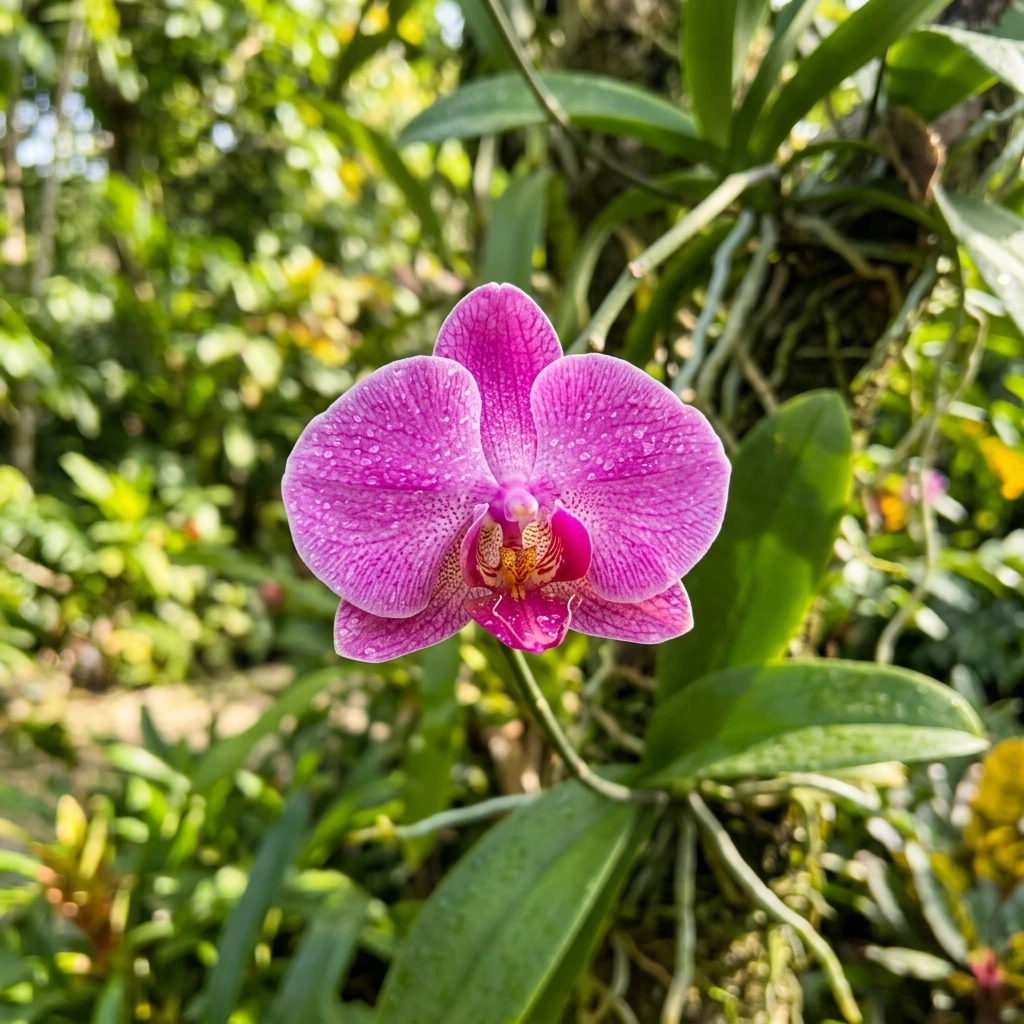
The Orchid (Orchidaceae) is one of the most exotic, diverse, and highly sophisticated families of flowering plants in the world. Characterized by their unique symmetrical blooms, vivid color patterns, and specialized aerial roots, they have captured the fascination of botanists and collectors for centuries. Unlike terrestrial plants, most popular indoor orchids (like Phalaenopsis) are epiphytes, meaning they grow anchored to trees in tropical rainforests, absorbing moisture and nutrients directly from the air and rain. Their exotic charm makes them a stunning statement piece for modern indoor spaces.


Sunlight Icon
Sunlight Bright Indirect
Watering Icon
Watering Moderate
Soil Mix Icon
Soil Mix Chunk bark mix
Temperature Icon
Temperature 18°C - 24°C
Toxicity Warning Icon
Toxicity Non-toxic
Botanical macro photography of Orchid (Orchidaceae) - Plant AI care database

How to Identify Orchid

Orchid (Orchidaceae) is a remarkable botanical species widely appreciated for its unique aesthetic and structural appeal. Recognizing its definitive visual traits is key to distinguishing it from other similar plants.

  • Key Visual Features: Exhibits characteristic growth habits, custom foliage morphology, and plant structure typical of indoor species.
  • Color Variations: Vibrant color variations primarily seen in cultivated or natural wild forms of Orchid.
  • Common Confusions: Can sometimes be confused with other low-growing or related indoor plants, but can be quickly identified by its distinct leaf texture and bloom patterns.
💡 Plant AI Tip: If you are not sure, take a photo with Plant AI to identify it instantly.

Complete Care & Cultivation Guide

Follow our detailed scientific care guide to keep your Orchid thriving and gorgeous all year round.

Water orchids once a week using the 'soak and drain' method. Submerge the plastic grower pot in a bowl of lukewarm water for 10 to 15 minutes, allowing the bark medium to absorb moisture. Lift the pot and let all excess water drain out completely before placing it back. Never let the orchid's roots sit in standing water, as they will rot rapidly. Only water when the aerial roots turn a silvery-gray color; if they are green, the orchid has plenty of moisture.
Once orchid blooms have faded and dropped, inspect the green flower spike. If the spike remains green, cut it back to 1/2 inch above the second or third node from the base to stimulate a secondary branch of blooms. If the flower spike has turned brown and dried up, prune it off cleanly at the base of the plant using sterilized scissors. Trim away any dried, yellowing leaves or shriveled black roots.
Orchids are light feeders that require specialized feed. Apply a balanced orchid-specific liquid fertilizer diluted to quarter strength ('weakly, weekly') during their active growth phase in spring and summer. Flush the potting medium thoroughly with plain water once a month to wash away any accumulated mineral salts. Do not fertilize during the autumn and winter dormant phase.
Orchids require bright, indirect, filtered sunlight to thrive and rebloom. An east or west-facing window shielded by a sheer curtain is ideal. Direct, harsh midday sun will burn the thick leaves, causing white or dark brown scorched patches. If the leaves are a bright, healthy grassy-green, the light is perfect; if they turn dark green, they need more light; if they turn yellow-green, they have too much light.
Terrestrial potting soil will suffocate and kill epiphytic orchids. They require an extremely loose, chunky, well-aerated potting medium. The perfect mix consists of 70% medium-grade fir bark or pine bark, 15% horticultural charcoal to purify the medium, and 15% perlite or sphagnum moss to retain light, balanced moisture. The medium must allow air to circulate freely around the roots.
Epiphytic orchids are propagated primarily by separating the small offsets or baby plants (called 'keikis') that naturally develop along the nodes of mature flower spikes. Allow the keiki to grow until it has at least three healthy aerial roots that are 2 inches long. Carefully slice the keiki off the flower spike using a sterile razor blade, and pot it gently in moist sphagnum moss.
Phalaenopsis orchids thrive in warm day temperatures of 21°C to 29°C (70°F to 85°F) and night temperatures of 15°C to 18°C (59°F to 65°F). A temperature drop of 5°C to 8°C (10°F to 15°F) at night for 3 to 4 weeks in autumn is absolutely essential to trigger the plant to produce a new winter flower spike.
Always grow epiphytic orchids in clear plastic pots with multiple drainage holes. Clear pots allow the green roots to perform photosynthesis and let you easily monitor root health. Place the clear pot inside a decorative ceramic pot. Repot orchids every 1 to 2 years in fresh bark medium immediately after they finish blooming, replacing decayed, broken-down bark.
Orchids can attract common indoor pests. Mealybugs (which look like small cotton balls) frequently hide in the tight leaf joints, and scale insects cling to leaf undersides. Treat pests immediately by dipping a cotton swab in 70% isopropyl rubbing alcohol and dabbing them off. For larger infestations, spray the entire plant with organic insecticidal soap.
orchids are highly vulnerable to bacterial soft rot and crown rot caused by water sitting in the center leaf crown. Crown rot causes leaves to turn black and drop off at the base, easily killing the plant. Prevent this entirely by watering early in the morning and using a paper towel to blot dry any water that splashes into the leaf joints.
Never use ice cubes to water your orchids, despite popular marketing! Orchids are native to warm tropical rainforests, and placing freezing ice directly against their tropical aerial roots causes cell damage and root death. Always water with room-temperature water. To maintain the high humidity orchids love, place the pot on a tray filled with pebbles and water, ensuring the bottom of the pot sits above the water line.

Is your Orchid foliage turning brown or dropping?

Don't let it wither away. Take a photo with Plant AI to diagnose pests and leaf spots instantly.

Diagnose My Plant

Common Diseases & Treatment

Root Rot

Symptoms: Black, mushy, soft roots; leaves turn wrinkled, limp, and leathery due to inability to absorb moisture.

Action: Repot immediately. Trim away dead black roots with sterilized shears, apply cinnamon powder (natural fungicide), and plant in fresh orchid bark.

Bacterial Brown Spot

Symptoms: Soft, water-soaked spots on leaves that rapidly turn brown or black, discharging fluid.

Action: Cut out the infected leaf area immediately using a sterile blade. Spray the plant with a copper-based bactericide.

Frequently Asked Questions

How do I get my orchid to rebloom?

Once the blooms drop, cut the spike back to a node. Expose the orchid to slightly cooler night temperatures (15°C/59°F) in autumn to trigger a new flower spike.

Why are my orchid roots turning gray?

Healthy orchid roots are green when hydrated and turn silver-gray when dry. Gray roots are a signal that it is time to give the plant a thorough watering.

How do I water an orchid properly?

Submerge the inner grower pot in tepid water for 10-15 minutes, then let it drain completely. Never let water sit in the crown of the leaves.

Is Orchid safe for dogs and cats?

Toxicity and pet safety status: Non-toxic to cats and dogs (Phalaenopsis orchids are highly safe). Keep out of pets' reach if it is toxic.

No more dying plants. Grow healthy greens today!

Get Started for Free