Lupine Care & Identification Guide
Rising like majestic botanical towers, Lupines (Lupinus) are iconic cottage garden perennials famous for their dense, showy spikes of pea-like blossoms. With unique, hand-like palmate foliage that catches early morning dew drops, these nitrogen-fixing wonders create a spectacular vertical statement in late spring. It is widely celebrated by botanists for its distinct environmental adaptability and structural appeal.





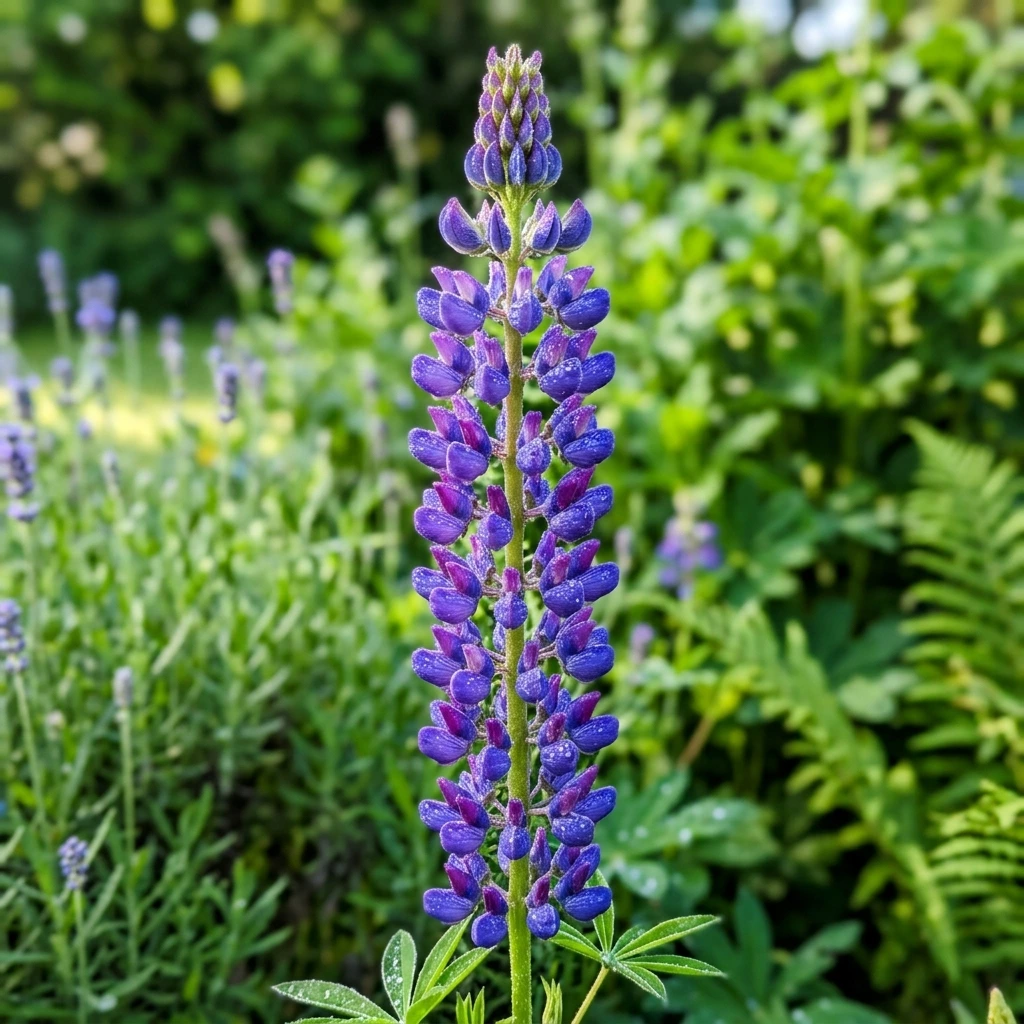
How to Identify Lupine
An erect, clump-forming herbaceous perennial producing tall, dense, terminal spikes of colorful, pea-like flowers above highly characteristic hand-shaped leaves.
-
✔
Key Visual Features: Unique palmately compound leaves consisting of 7 to 15 narrow, lance-shaped leaflets radiating from a central point like the fingers of a hand.
-
✔
Color Variations: A breathtaking, vast color spectrum including deep blues, purples, pinks, whites, yellows, reds, and highly prized bicolored combinations.
-
✔
Common Confusions: Flower spikes can resemble Larkspur or Foxglove from a distance, but Lupine is instantly distinguished by its highly distinct wheel-like, palmate foliage and its classic pea-like (legume) flower shape.
Complete Care & Cultivation Guide
Follow our detailed scientific care guide to keep your Lupine thriving and gorgeous all year round.
Common Diseases & Treatment
Lupine Powdery Mildew (Fungal)
Symptoms: White powdery coating smothering the unique leaves, causing them to curl, wither, and prematurely drop.
Crown Rot (Fungal/Bacterial)
Symptoms: Stems and base of the plant turn black and mushy, causing the tall flower spikes to wilt and collapse.
Frequently Asked Questions
Why are the leaves of my Lupine turning yellow between the green veins?
This is a classic sign of Iron Chlorosis! Lupines are strictly acid-loving plants. If your garden soil is alkaline (pH above 7.0), the plant's roots cannot absorb iron, leading to chlorosis. Amend your soil with sulfur to lower the pH, or apply liquid chelated iron directly to the soil.
Is the Lupine plant toxic to my pets?
Yes! Lupines are toxic to dogs, cats, and especially livestock. The plant—particularly the seeds and seed pods—contains quinolizidine alkaloids. Ingestion can cause excessive drooling, lethargy, muscle weakness, slow heart rate, loss of coordination, and respiratory depression. Always plant them out of reach of pets.
Why did my perennial Lupines die after a beautiful first summer?
Lupines are naturally short-lived perennials that thrive in cool, temperate climates. They absolutely detest high summer heat and humidity. In hot climates, their deep taproots overheat and rot. Mulching the soil heavily around the base in late spring helps keep their roots cool.
How does the Lupine plant help improve the quality of my garden soil?
Lupines are members of the legume family (Fabaceae) and are natural nitrogen-fixers! They have a symbiotic relationship with beneficial soil bacteria (Rhizobium) in their root nodules, which absorb inert nitrogen from the air and convert it into rich, usable soil nutrients that feed surrounding plants.