Lily Care & Identification Guide
Lilies are breathtaking summer bulbs that produce large, trumpet-shaped flowers of outstanding elegance. Their intense fragrance and rich, vibrant colors make them a favorite in both gardens and floral arrangements. It is widely celebrated by botanists for its distinct environmental adaptability and structural appeal.




How to Identify Lily
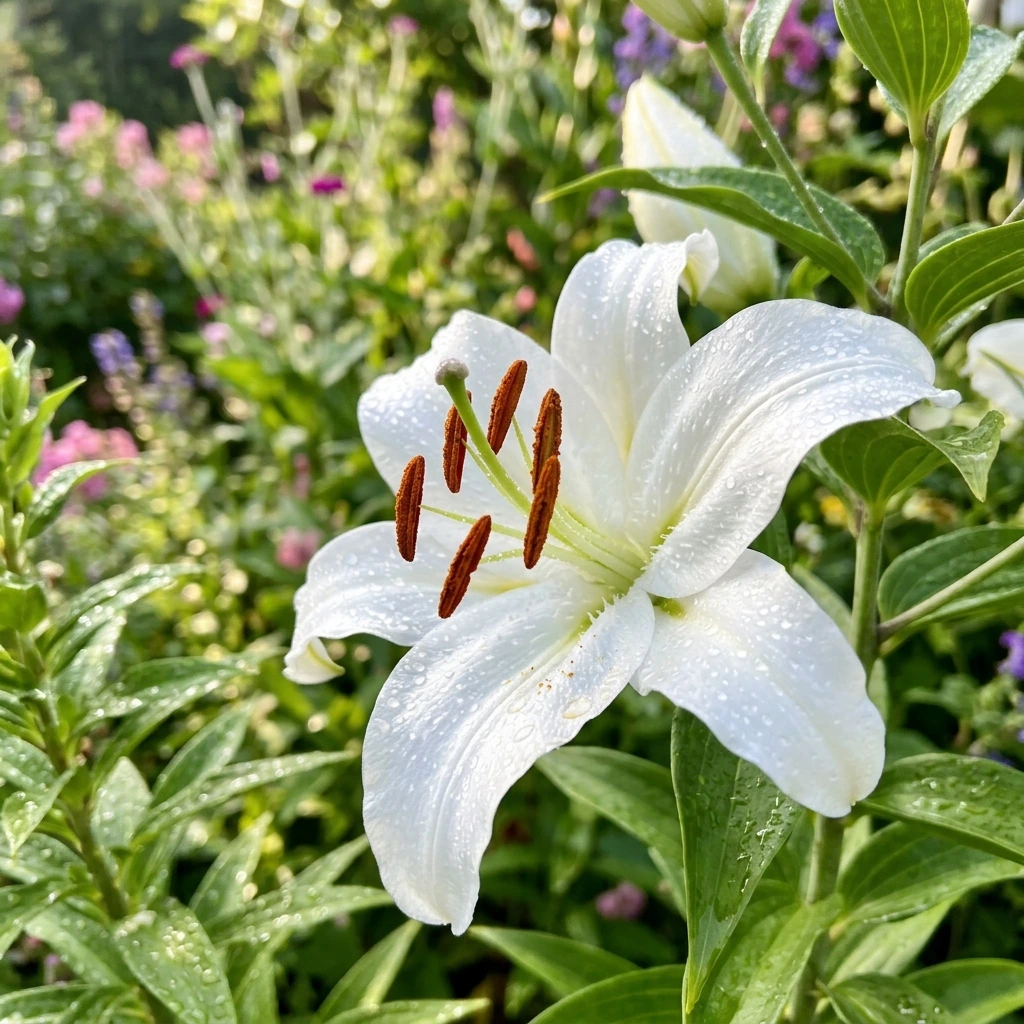
Lily (Lilium) is a remarkable botanical species widely appreciated for its unique aesthetic and structural appeal. Recognizing its definitive visual traits is key to distinguishing it from other similar plants.
-
✔
Key Visual Features: Exhibits characteristic growth habits, custom foliage morphology, and plant structure typical of classic species.
-
✔
Color Variations: Vibrant color variations primarily seen in cultivated or natural wild forms of Lily.
-
✔
Common Confusions: Can sometimes be confused with other low-growing or related classic plants, but can be quickly identified by its distinct leaf texture and bloom patterns.
Complete Care & Cultivation Guide
Follow our detailed scientific care guide to keep your Lily thriving and gorgeous all year round.
Common Diseases & Treatment
Lily Gray Mold (Botrytis elliptica)
Symptoms: Oval tan spots on leaves that spread rapidly in cool, wet weather, turning mushy.
Basal Bulb Rot
Symptoms: Yellowing foliage in early summer; bulbs turn soft, brown, and decay at the root base.
Frequently Asked Questions
Are lilies safe to keep indoors with pets?
Lilies (especially Lilium and Hemerocallis species) are extremely lethal to cats. Keep them completely out of homes with feline companions; even pollen on fur can be dangerous.
How do I plant lily bulbs?
Plant lily bulbs in autumn or early spring, about 3 times as deep as the bulb's height (around 6 inches deep), with the pointed end facing up.
Should I remove the orange pollen stalks from lilies?
Yes. Snipping off the anthers (pollen stalks) prevents pollen from staining the petals, ruins clothing, and extends the life of cut lily flowers.
Is Lily safe for dogs and cats?
Toxicity and pet safety status: Extremely Toxic to Cats (Even a tiny amount of pollen can cause fatal kidney failure). Keep out of pets' reach if it is toxic.