Lavender Care & Identification Guide
Lavender (Lavandula) is a highly cherished aromatic, semi-woody perennial shrub celebrated worldwide for its soothing fragrance, therapeutic oils, and gorgeous spikes of purple flowers. Native to the dry, rocky soils of the Mediterranean basin, Lavender is exceptionally drought-tolerant and thrives in hot, sunny environments. Extremely popular in herb gardens, gravel paths, and cottage borders, it attracts a abundance of beneficial pollinators like bees and butterflies, while naturally repelling unwanted pests with its fragrant essential oils.




How to Identify Lavender
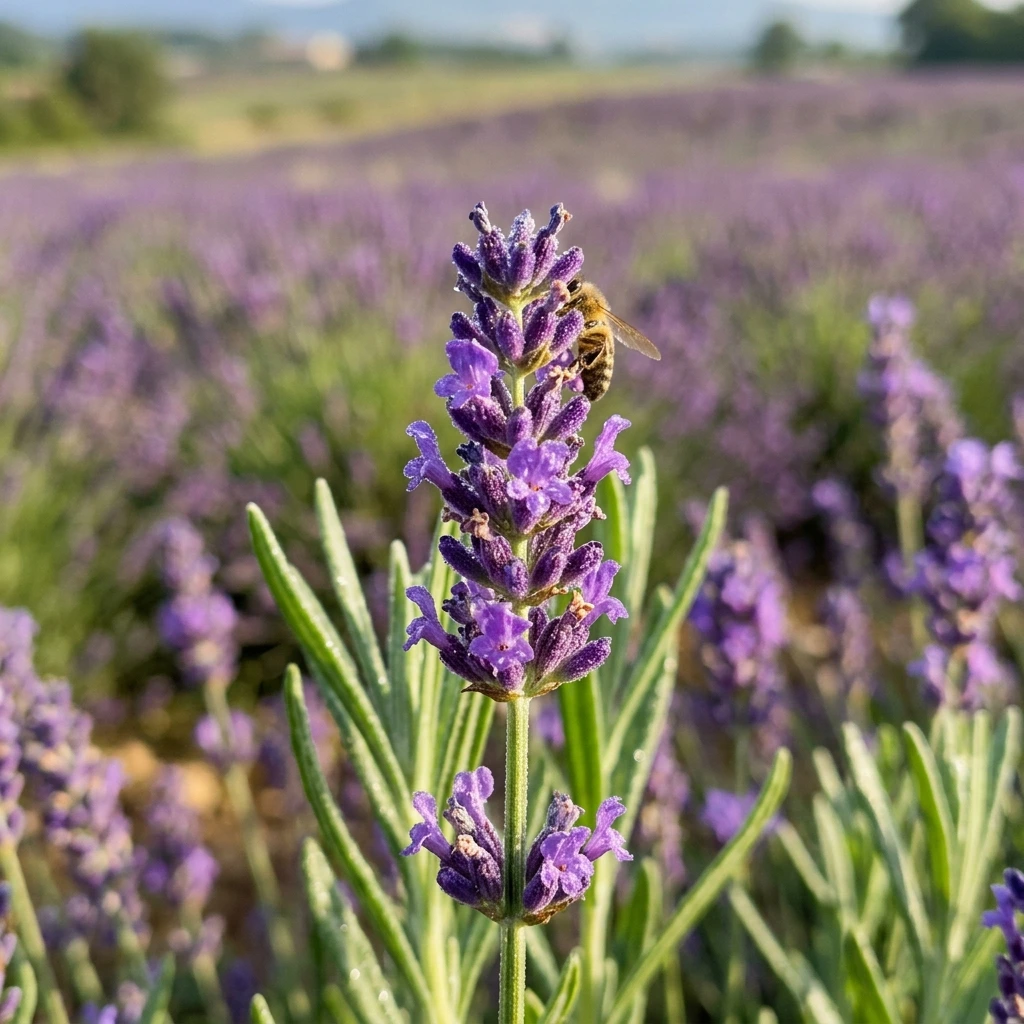
Lavender (Lavandula) is a remarkable botanical species widely appreciated for its unique aesthetic and structural appeal. Recognizing its definitive visual traits is key to distinguishing it from other similar plants.
-
✔
Key Visual Features: Exhibits characteristic growth habits, custom foliage morphology, and plant structure typical of sunny species.
-
✔
Color Variations: Vibrant color variations primarily seen in cultivated or natural wild forms of Lavender.
-
✔
Common Confusions: Can sometimes be confused with other low-growing or related sunny plants, but can be quickly identified by its distinct leaf texture and bloom patterns.
Complete Care & Cultivation Guide
Follow our detailed scientific care guide to keep your Lavender thriving and gorgeous all year round.
Common Diseases & Treatment
Root Rot (Phytophthora)
Symptoms: Foliage turns dull gray or yellow, stems wilt, and the root system turns mushy and brown.
Alfalfa Mosaic Virus
Symptoms: Bright yellow patches or mottling appear on the green leaves, accompanied by twisted growth.
Frequently Asked Questions
How do I keep my lavender from getting woody?
Prune lavender annually. Cut the green stems back by about one-third in late summer after flowering, but never cut back into the bare, woody base.
Does lavender need fertilizer?
No, lavender prefers low-nutrient soil. Heavy fertilization will result in leggy, weak growth and reduce the intensity of its fragrance.
Why is my lavender turning gray and wilting?
This is almost always a sign of overwatering or poor soil drainage, leading to root rot. Lavender roots must remain dry and aerated.
Is Lavender safe for dogs and cats?
Toxicity and pet safety status: Toxic to dogs and cats in large quantities (contains linalool which causes stomach upset). Keep out of pets' reach if it is toxic.