Dahlia Care & Identification Guide
Boasting an unmatched geometric complexity, Dahlias produce spectacular blossoms ranging from tiny pom-poms to massive 'dinner plates.' Hailing from the high plains of Mexico, these heavy-feeding tuberous perennials are prized for their late-summer floral explosion. It is widely celebrated by botanists for its distinct environmental adaptability and structural appeal.





How to Identify Dahlia
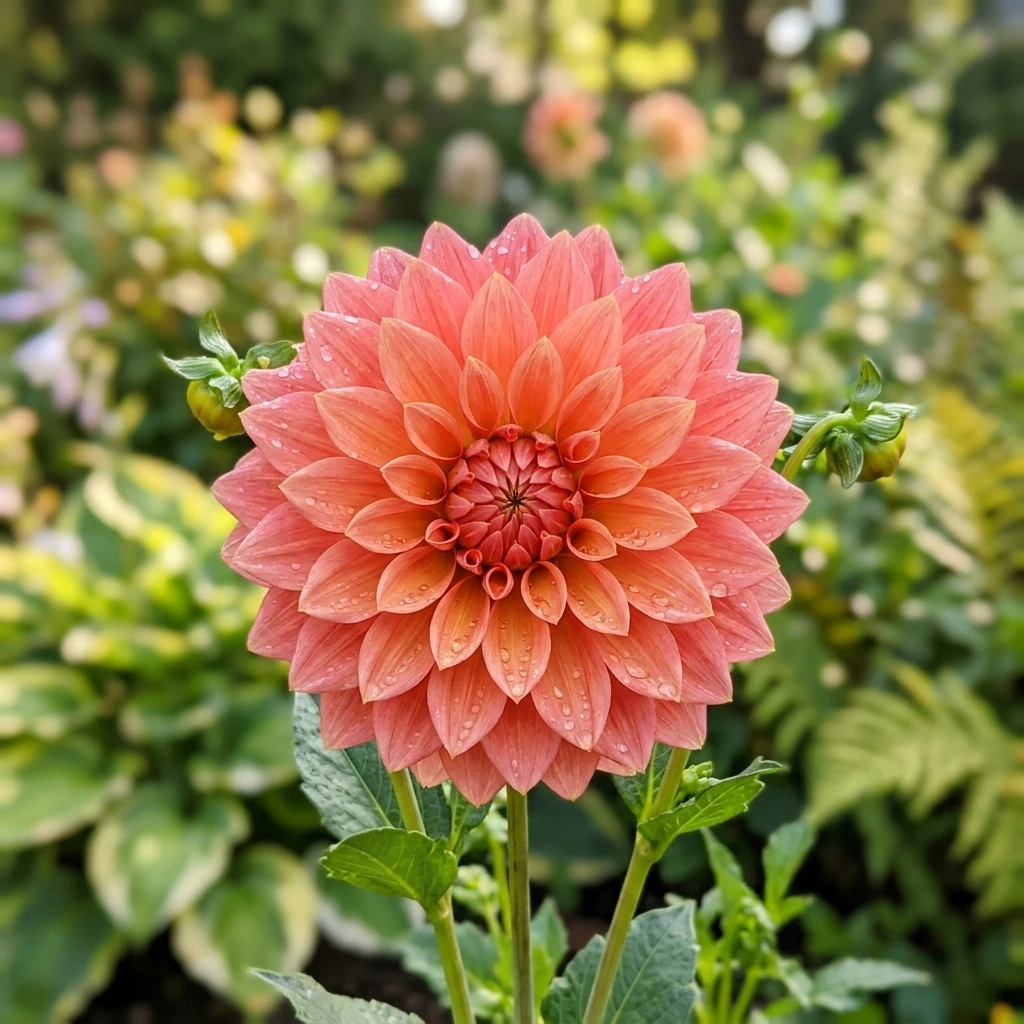
A bushy, tuberous herbaceous perennial producing highly geometric, symmetrical flower heads on thick hollow stems.
-
✔
Key Visual Features: Thick, vertical hollow green stems, compound pinnate opposite leaves, and perfectly geometric, layered ray-petaled blossoms.
-
✔
Color Variations: An exhaustive spectrum excluding true blue: deep burgundy, copper-orange, bright yellow, hot pink, pure white, and striking multi-toned variegations.
-
✔
Common Confusions: Can resemble Chrysanthemums or Zinnias, but distinguished by its unique underground fleshy tuber clusters, hollow stems, and massive scale.
Complete Care & Cultivation Guide
Follow our detailed scientific care guide to keep your Dahlia thriving and gorgeous all year round.
Common Diseases & Treatment
Tuber Rot
Symptoms: Tubers turn mushy, soft, and dark brown under wet soil, causing sprouts to fail or wilt.
Dahlia Mosaic Virus
Symptoms: Chlorotic leaf spots, severe vein banding, stunting, and distorted flower heads.
Frequently Asked Questions
How do I store Dahlia tubers over cold winters?
After the first frost turns foliage black, cut stems to 4 inches. Carefully dig up the tubers, wash off soil, and dry for 3 days. Pack in dry peat moss or vermiculite, and store in a cool, dark place (4-10°C) until spring.
Why are my Dahlia stems falling over?
Dahlias have highly succulent, hollow stems that get incredibly heavy under massive blooms. Staking is mandatory! Insert a heavy wooden stake at planting time and tie the stems as they grow.
How do I grow the massive 'dinner plate' flowers?
Disbudding is the secret! Pinch off the two smaller side buds that flank the large central bud on each stem. This forces the plant to concentrate all its energy and nutrients into a single, massive bloom.
Are Dahlias safe for curious pets?
Dahlias are mildly toxic to cats and dogs. Eating the leaves or tubers can cause mild skin irritation (dermatitis) due to phototoxic compounds, as well as mild vomiting or diarrhea.