Cyclamen Care & Identification Guide
Boasting unique, swept-back petals that look like butterflies in flight and beautiful marbled silver-green leaves, Cyclamen is a stunning winter treasure. It thrives in cool temperatures and is famous for going dormant during the hot summer. It is widely celebrated by botanists for its distinct environmental adaptability and structural appeal.





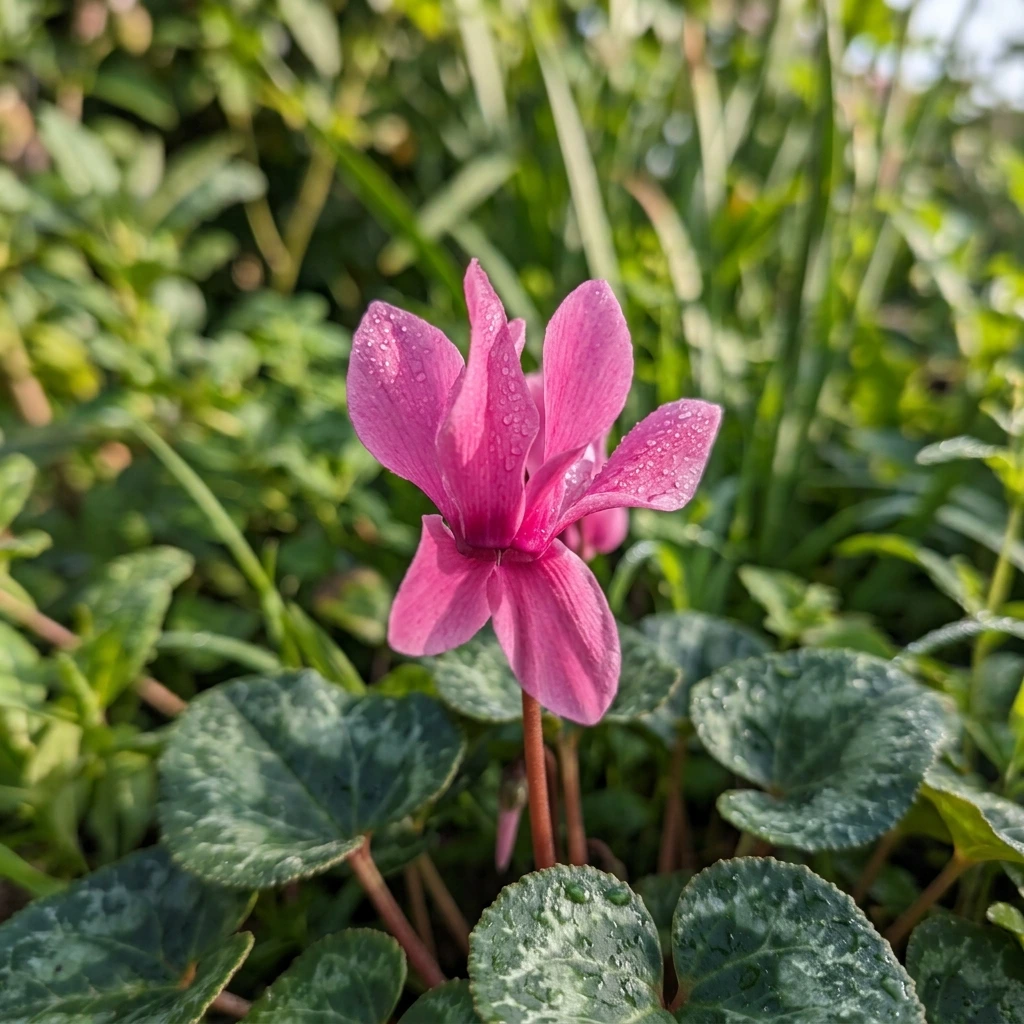
How to Identify Cyclamen
Cyclamen (Cyclamen) is a remarkable botanical species widely appreciated for its unique aesthetic and structural appeal. Recognizing its definitive visual traits is key to distinguishing it from other similar plants.
-
✔
Key Visual Features: Exhibits characteristic growth habits, custom foliage morphology, and plant structure typical of indoor species.
-
✔
Color Variations: Vibrant color variations primarily seen in cultivated or natural wild forms of Cyclamen.
-
✔
Common Confusions: Can sometimes be confused with other low-growing or related indoor plants, but can be quickly identified by its distinct leaf texture and bloom patterns.
Complete Care & Cultivation Guide
Follow our detailed scientific care guide to keep your Cyclamen thriving and gorgeous all year round.
Common Diseases & Treatment
Tuber Crown Rot (Botrytis)
Symptoms: Gray fuzzy mold covers the center tuber; leaves and flower stems turn mushy and collapse from the base.
Soft Rot
Symptoms: Tuber turns into a soft, foul-smelling liquid mass, causing sudden collapse of the entire plant.
Frequently Asked Questions
Why are my Cyclamen leaves turning yellow and dropping?
This typically happens in spring when the plant prepares for summer dormancy, or due to overwatering and warm temperatures. If it is summer, let the leaves die back and store the tuber dry.
How do I water a Cyclamen without rotting it?
Always bottom-water. Set the pot in a shallow tray of water for 15 minutes, allowing the root ball to absorb water up, then empty the tray. Never pour water directly onto the central tuber.
How do I care for my Cyclamen during summer dormancy?
Once leaves die in spring, stop watering. Keep the pot in a cool, dark, dry place. In late summer or autumn, repot in fresh soil and resume light watering to wake up the bulb.
Is Cyclamen safe for dogs and cats?
Toxicity and pet safety status: Toxic to pets (Tubers contain highly toxic cyclamin saponins, causing severe gastrointestinal distress). Keep out of pets' reach if it is toxic.