Crocus Care & Identification Guide
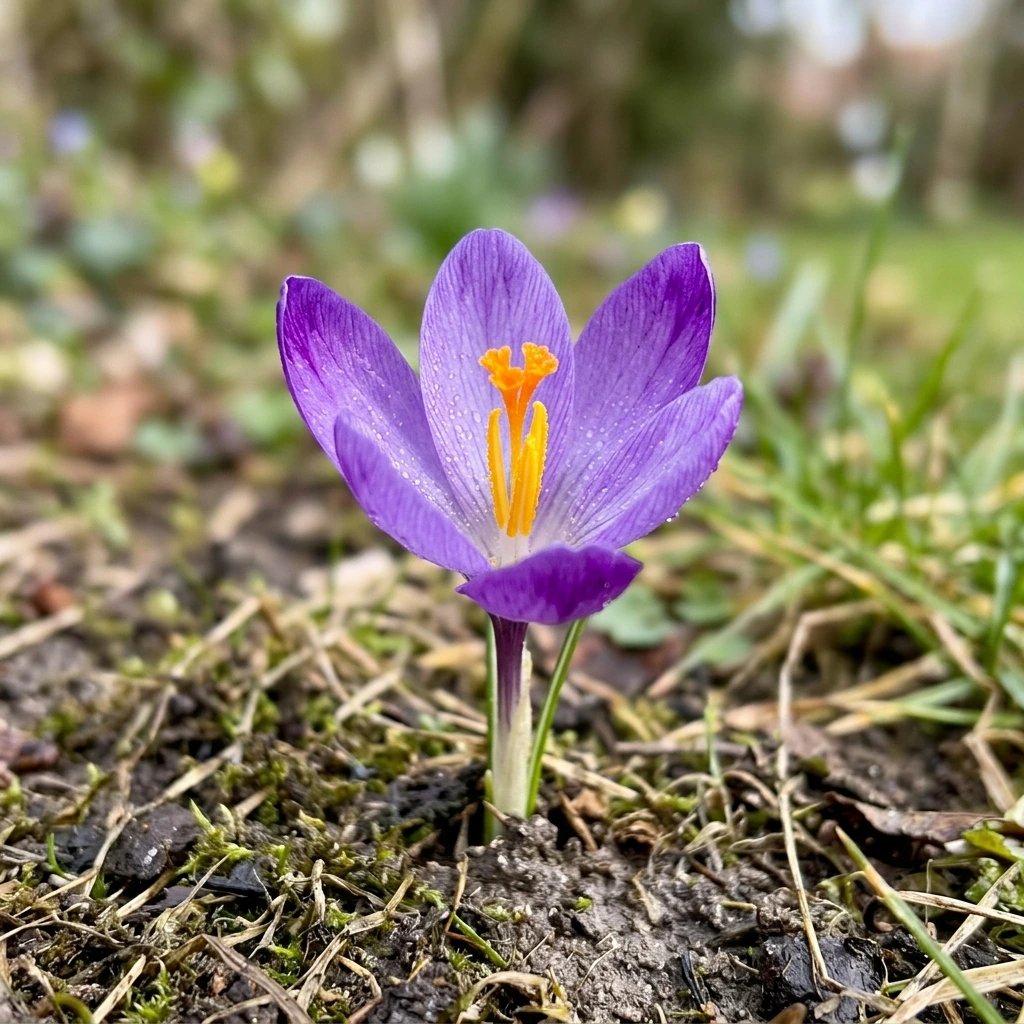
The ultimate herald of spring, Crocuses (Crocus) are charming, cup-shaped flowers that bravely pierce through frozen soils and melting snow. Rising from underground corms, their vibrant chalice-like blooms open wide on sunny days, providing a vital first food source for early honeybees. It is widely celebrated by botanists for its distinct environmental adaptability and structural appeal.





How to Identify Crocus
A low-growing, stemless perennial rising from an underground corm, producing cup-shaped, chalice-like flowers and grass-like foliage in late winter or early spring.
-
✔
Key Visual Features: Narrow, upright, grass-like dark green leaves characterized by a highly distinct, bright silver-white stripe running down the center of each leaf.
-
✔
Color Variations: Radiant shades of purple, lavender, violet, golden yellow, pristine white, and beautiful striped bicolors.
-
✔
Common Confusions: Can be confused with early Wild Onions or Rain Lilies, but Crocus is instantly recognized by its cup-shaped blooms with bright orange-yellow stigmas, its silver-striped grass-like leaves, and its extreme early-spring blooming habit.
Complete Care & Cultivation Guide
Follow our detailed scientific care guide to keep your Crocus thriving and gorgeous all year round.
Common Diseases & Treatment
Corm Rot (Fungal)
Symptoms: Bulbs soften, turn black, and rot in wet, poorly draining soils, preventing any spring growth.
Grey Mold (Botrytis)
Symptoms: Fuzzy grey mold coating the leaves and flowers in excessively wet, cold, and humid spring weather.
Frequently Asked Questions
What is the difference between Spring Crocus and Autumn Crocus regarding pet toxicity?
This is a critical safety distinction! Spring-blooming Crocuses (genus *Crocus*) are mildly to moderately toxic, causing gastrointestinal upset. However, Autumn Crocus (genus *Colchicum*) is extremely toxic and contains colchicine, which causes severe vomiting, multi-organ failure, and death in dogs and cats. Keep pets away from all autumn-blooming varieties!
Why do my Crocus flowers close up on cloudy days or in the evening?
This is a natural protective behavior called nyctinasty! Crocus petals open and close in response to changes in temperature and light. On sunny, warm days, they open wide to invite pollinators. On cold, cloudy days, or when night falls, they close tightly to protect their delicate pollen and internal reproductive organs.
Is the spice Saffron harvested from the common garden Crocus?
No! Saffron is harvested from a very specific autumn-blooming species called Saffron Crocus (*Crocus sativus*). The spice consists of the three thread-like, bright crimson stigmas from each flower, which must be carefully hand-harvested, making it the most expensive spice in the world. Common spring-blooming garden crocuses are not edible.
How do I protect my Crocus bulbs from being eaten by wildlife?
Crocus corms are a delicious treat for squirrels, voles, mice, and rabbits! To protect them, bury the corms inside a wire mesh cage in the soil, plant them beneath a layer of chicken wire, or plant them alongside Daffodil bulbs, which are highly toxic and act as a natural animal repellent.