Cosmos Care & Identification Guide
Exuding airy cottage charm, Cosmos features delicate, feathery fern-like foliage and daisy-like cup-shaped blossoms floating on slender, swaying stems. Extremely easy to grow, these sun-worshippers demand poor soil and hot dry weather to show off their explosive blooming power. It is widely celebrated by botanists for its distinct environmental adaptability and structural appeal.





How to Identify Cosmos
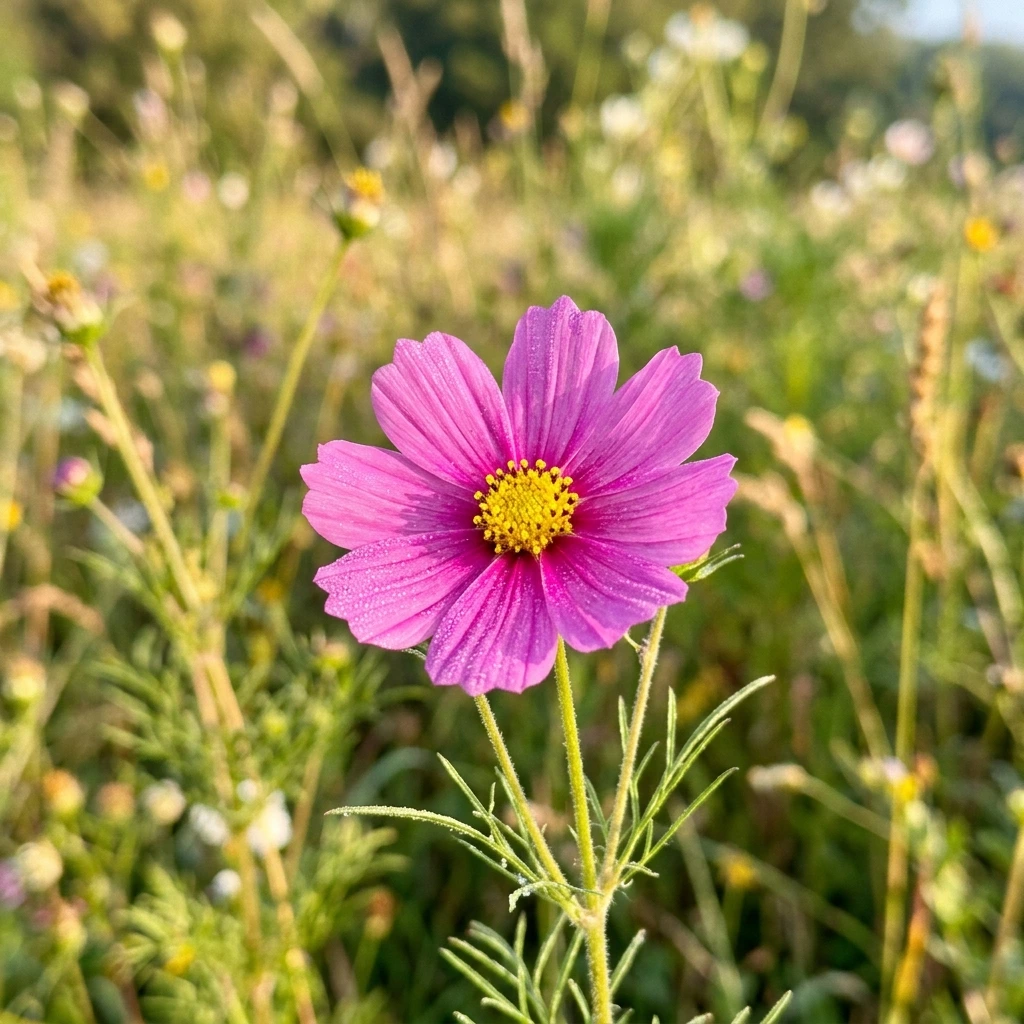
A tall, airy, highly branched summer annual producing daisy-like cup-shaped blossoms above a mist of exceptionally fine, feathery foliage.
-
✔
Key Visual Features: Extremely fine, thread-like or feathery divided green leaves, slender wiry stems, and flat daisy-like flowers with yellow centers.
-
✔
Color Variations: Vibrant shades of magenta pink, deep crimson red, rose, soft pastel pink, and pure white.
-
✔
Common Confusions: Can resemble wild Chamomile or Fennel foliage when young, but easily recognized as it grows by its taller wiry stems and large, colorful daisy-like cup blooms with yellow central eyes.
Complete Care & Cultivation Guide
Follow our detailed scientific care guide to keep your Cosmos thriving and gorgeous all year round.
Common Diseases & Treatment
Fusarium Wilt (Fungal)
Symptoms: Stems turn dark brown near the soil line, and foliage rapidly wilts, yellows, and collapses despite soil being damp.
Powdery Mildew
Symptoms: A white dusty flour-like film spreads across the feathery leaves in stagnant, humid late-summer air.
Frequently Asked Questions
Why is my Cosmos growing giant, lush green leaves but refusing to bloom?
You are feeding it too much! Cosmos is a plant that thrives on neglect. If you plant it in rich, fertile organic soil or apply high-nitrogen fertilizers, it will divert all its energy into growing thick green stems and lush feathery leaves at the expense of flowers. Plant them in poor, dry, sandy soil and never fertilize them!
Is Cosmos safe to grow in a yard with curious dogs and cats?
Yes! Cosmos is 100% non-toxic and completely pet-safe. Its delicate feathery leaves and bright daisy-like flowers contain no harmful compounds. If your pets chew on the plant, it will cause absolutely no stomach upset or toxicity issues.
How do I prevent my tall Cosmos stems from flopping over in the wind?
Since Cosmos has very thin, slender stems and delicate feathery foliage, they easily bend and flop under heavy rain or high winds. To prevent this, plant them in tight, dense groups so they can physically support each other, avoid rich soil which causes weak 'leggy' growth, or stake them early.
When is the correct time to pinch my young Cosmos plants?
Pinch them when they are 12 to 18 inches tall! Pinching back the soft central growing tip of the stem stimulates the plant to branch aggressively. This results in a much bushier, compact plant that produces three times as many flowers and resists flopping.