Coreopsis Care & Identification Guide
Known as Tickseed, Coreopsis is a rugged, sun-worshipping perennial that produces endless displays of bright, daisy-like blossoms on slender stems. Requiring virtually zero maintenance, these tough-as-nails plants thrive in dry, poor soil and scorching heat. It is widely celebrated by botanists for its distinct environmental adaptability and structural appeal.





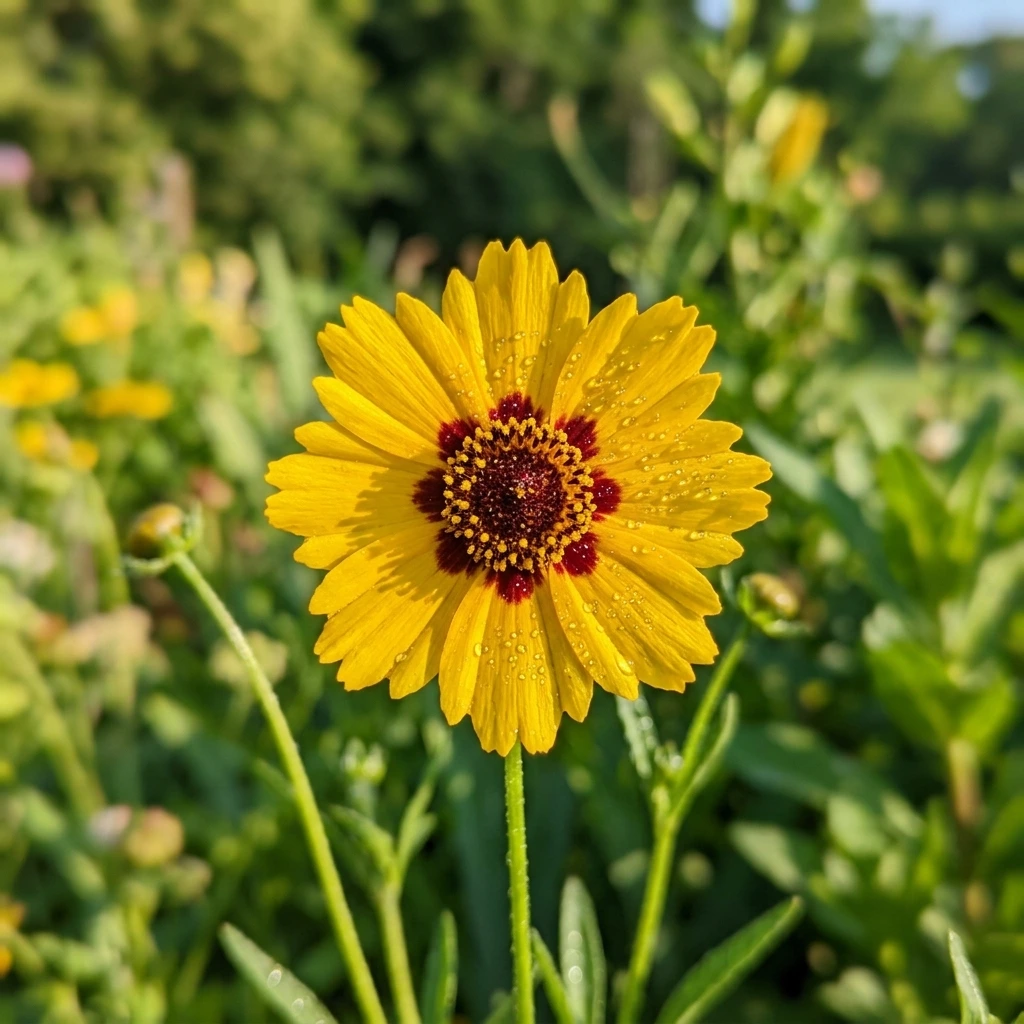
How to Identify Coreopsis
A bushy, clump-forming herbaceous perennial producing endless displays of bright, daisy-like blossoms with jagged-tipped petals.
-
✔
Key Visual Features: Narrow lance-shaped or deeply divided thread-like green leaves, slender wiry stems, and flat daisy-like blooms with distinct serrated petals.
-
✔
Color Variations: Brilliant golden yellow, fiery orange, bronze, burgundy red, cream, and striking dark-centered bicolors.
-
✔
Common Confusions: Can resemble wild Daisies or Bidens when young, but easily recognized by its distinct jagged, serrated petal tips (petals look like they were cut with pinking shears) and unique tick-like flat seeds.
Complete Care & Cultivation Guide
Follow our detailed scientific care guide to keep your Coreopsis thriving and gorgeous all year round.
Common Diseases & Treatment
Aster Yellows (Phytoplasma)
Symptoms: Flower petals turn green, deformed, and stunted; foliage turns pale yellow, and stems grow abnormally bunched together.
Crown Rot
Symptoms: The base of the plant turns mushy and rots; leaves turn yellow and collapse under wet, heavy clay soil conditions.
Frequently Asked Questions
Why is Coreopsis commonly called 'Tickseed'?
Because of the unique appearance of its seeds! The small, flat, dark brown seeds have a curved shape and tiny hooks that look exactly like small ticks (扁虱). This design helps the seeds cling to animal fur and clothes, allowing them to spread easily in wild prairies.
Is Coreopsis safe to grow in a backyard where cats and dogs play?
Yes! Coreopsis is 100% non-toxic and completely pet-safe. All parts of the plant are completely safe for dogs, cats, and horses. If your curious pets chew on the leaves or bright daisy-like flowers, it will cause absolutely no harm or stomach distress.
How do I keep my Coreopsis blooming continuously from late spring until autumn?
Practice shearing or deadheading! When the first massive wave of yellow flowers begins to fade in mid-summer, use garden shears to cut the top 3-4 inches of the entire plant off. This shears away spent seed heads, stimulating the plant to rapidly send up a massive second wave of blooms.
What is the absolute best soil for growing Coreopsis?
Poor, dry, sandy or gravelly soil! Coreopsis is a native North American prairie flower. If you plant it in rich, highly fertile soil or apply high-nitrogen fertilizers, the plant will grow floppy, weak green stems that collapse, and it will produce very few flowers. Thrives on neglect!