Western Sword Fern Care & Identification Guide
The magnificent Western Sword Fern (Polystichum munitum) is a highly spectacular and iconic evergreen giant, native to the damp, shaded coniferous forests of the Pacific Northwest. As the absolute king of the Polystichum genus, it can produce spectacular, upright vase-shaped crowns up to 5 feet tall, forming a grand structural dome. Thriving in deep forests and moist mountain slopes, it is highly prized for its massive woodland presence. To support its grand growth, it requires deep shaded conditions, consistent abundant moisture, and a rich humus forest soil.





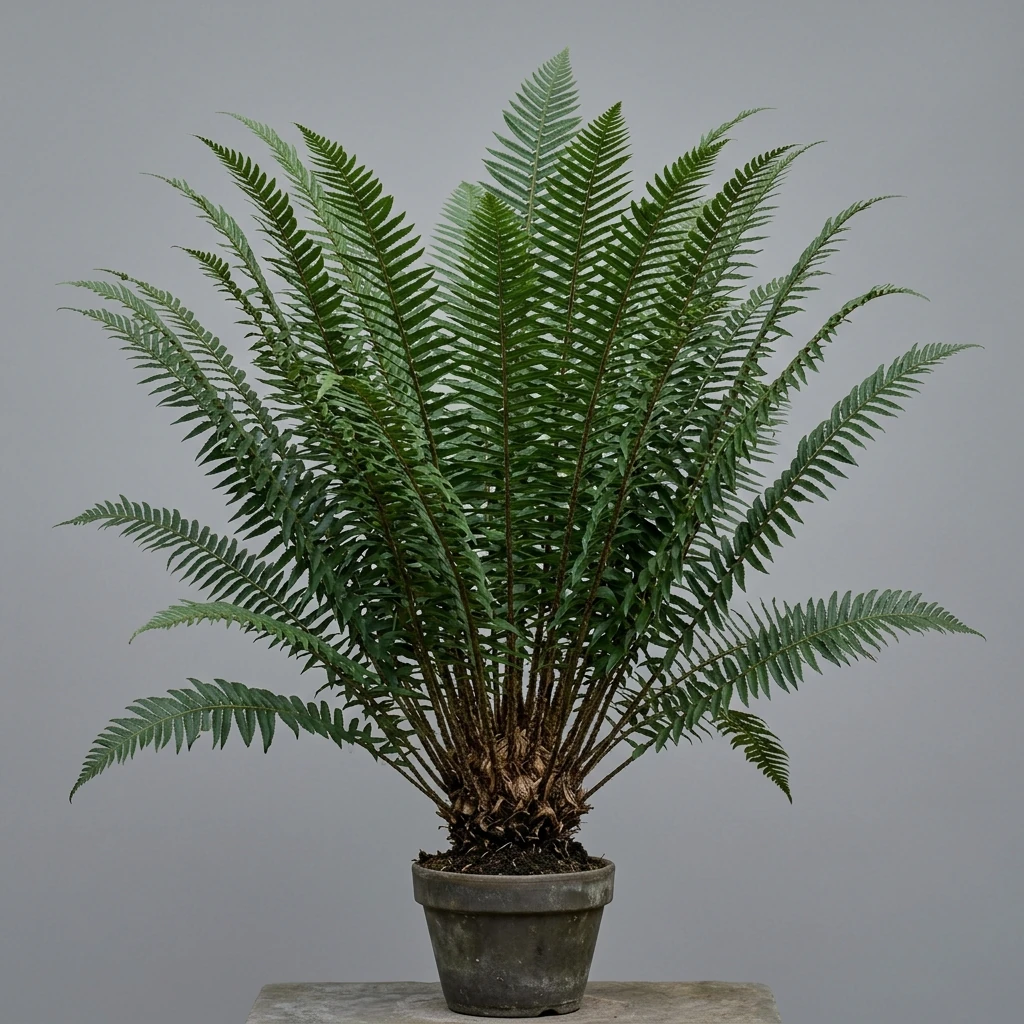
How to Identify Western Sword Fern
Identify Western Sword Fern immediately by its elegant and distinctive frond structure. Native to humid forest floors or mossy rocks, it features exquisite leaf patterns optimized to thrive under dappled canopy light.
-
✓
Distinctive Features: Colossal, broad, arching fronds up to 5 feet long with massive, slightly textured green leaflets.
-
✓
Typical Coloration: Rich, deep green foliage, with sturdy stalks covered in dense, golden-brown chaffy scales.
-
✓
Potential Confusions: Unmistakable due to its giant size. Much larger, broader, and more arching than Christmas Fern.
11-Step Professional Care Guide
💧 【Watering & Moisture】 Needs abundant moisture. Water deeply as soon as the topsoil surface feels dry. Large fronds transpire massive amounts of water.
☀️ 【Sunlight & Exposure】 Requires partial shade to deep forest shade. Protect completely from harsh direct midday sun which will instantly bleach the grand gold-green leaves.
🪴 【Ideal Soil Mix】 Prefers deep, rich, organic woodland loam. Blend 50% leaf compost, 30% peat, and 20% perlite or sand for excellent root aeration.
🌡️ 【Temperature & Ventilation】 Extremely cold-hardy (USDA Zone 3-9). Prefers cool, moist summers. Ensure excellent shelter from strong winds.
✂️ 【Pruning & Grooming】 Cut away old winter-worn deciduous fronds in late winter before the spectacular giant fiddleheads emerge in spring.
🧪 【Fertilization】 Apply a slow-release organic compost or leaf mulch in spring to fuel its giant foliage development. Avoid strong chemical feeds.
🏺 【Potting & Container】 Requires massive, heavy pots (12-15 inches or larger) to accommodate its rapid root expansion and prevent tipping.
🌱 【Propagation】 Propagated by carefully dividing its massive root crowns in early spring. Use a sharp, sterile knife and handle the giant clumps carefully.
🐛 【Common Pests】 Generally pest-resistant. Watch for occasional slugs on the tender giant spring croziers. Keep surrounding area clean.
🦠 【Common Diseases】 Low risk of disease, but ensure soil is loose to avoid stagnant root decay. Woodland loam is ideal.
🎓 【Botanist Advice】 The Western Sword Fern is the ultimate structural centerpiece for shaded woodland gardens. Plant it in a wind-sheltered spot where its giant arching fronds can spread freely!
Frequently Asked Questions
Q: How big does the Western Sword Fern actually get?
A: It is a giant! In moist, shaded woodland environments, its magnificent arching fronds can easily reach 3 to 5 feet in height, creating a grand, tropical-like dome.
Q: Why is the stem of my Western Sword Fern so hairy?
A: Those are chaffy scales! They are natural protective structures that insulate the emerging fiddleheads from frost, capture moisture from the air, and protect the plant from pests.
Q: Is the Western Sword Fern safe for pets?
A: Yes, it is completely non-toxic and pet-safe for cats, dogs, and all other pets.
Q: Is the Western Sword Fern evergreen?
A: Yes, it is fully evergreen in temperate climates, maintaining its rich deep green color and structural beauty all through the winter months.
Keep Your Western Sword Fern Silky Green & Growing!
Use the Plant AI App to identify ferns immediately from your camera, diagnose crispy leaves, set precise moisture & watering alarms, and ask our AI Botanist expert care questions.