Sensitive Fern Care & Identification Guide
The magnificent Sensitive Fern (Onoclea sensibilis) is a highly spectacular deciduous native of wet meadows, swamps, and woodlands in Eastern North America, celebrated for its unique bead-like fertile fronds and extreme sensitivity to early frost. Its broad, deeply lobed sterile fronds have a coarse, almost tropical texture. With the very first autumn frost, its green leaves instantly blacken and die back, hence the name 'Sensitive'. In late summer, it produces separate, erect fertile stalks with tight bead-like structures containing the spores. It requires wet mud.





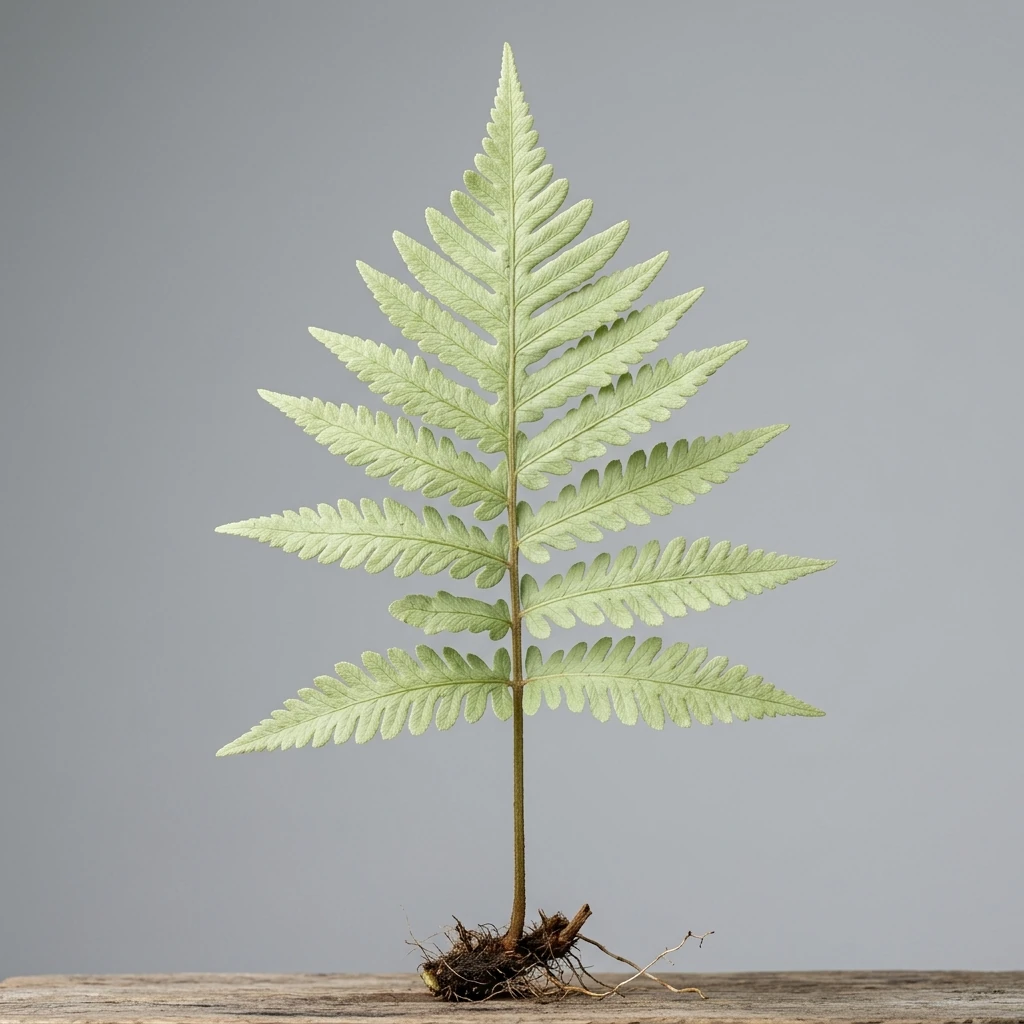
How to Identify Sensitive Fern
Identify Sensitive Fern immediately by its elegant and distinctive frond structure. Native to humid forest floors or mossy rocks, it features exquisite leaf patterns optimized to thrive under dappled canopy light.
-
✓
Distinctive Features: Broad, coarse triangle-shaped green sterile leaves and separate stiff stalks carrying tiny, tight bead-like spore capsules.
-
✓
Typical Coloration: Soft light green to pale yellow-green foliage, with dark brown bead-like spikes.
-
✓
Potential Confusions: Similar to Broad Beech Fern, but easily distinguished by its separate, stiff bead-like fertile spikes that persist through winter.
11-Step Professional Care Guide
💧 【Watering & Moisture】 Water abundantly. Soil must be kept consistently saturated. It thrives in wet, swampy clay soils; never allow the soil to go dry.
☀️ 【Sunlight & Exposure】 Thrives in partial shade to bright filtered indirect light. Can tolerate full morning sun if its roots are kept constantly wet.
🪴 【Ideal Soil Mix】 Prefers rich, wet clay or organic bog soil. Blend 50% clay-loam, 30% peat moss, and 20% organic compost.
🌡️ 【Temperature & Ventilation】 Extremely cold-hardy (USDA Zone 3-9). Highly sensitive to frost; leaves turn black instantly at first frost, entering winter dormancy.
✂️ 【Pruning & Grooming】 Cut down all dead, blackened fronds in autumn after frost. Do not cut the stiff woody bead-like fertile spikes; they look spectacular in winter.
🧪 【Fertilization】 Top-dress the soil surface with organic leaf mold or composted pine needles in early spring to encourage giant frond growth.
🏺 【Potting & Container】 Needs very large, heavy planters that retain water. Place the pot in a shallow tray of water to maintain moisture.
🌱 【Propagation】 Propagates easily by dividing the creeping underground rhizome in early spring, ensuring at least one crown is attached.
🐛 【Common Pests】 Generally pest-free. Watch for caterpillars that can chew the giant leaves. Hand-pick them off.
🦠 【Common Diseases】 Highly resistant to disease. Crown rot is extremely rare as this plant naturally grows in saturated swamp soils.
🎓 【Botanist Advice】 The Sensitive Fern is a spectacular wetland indicator. If you have a wet, clayey corner in your garden where other plants drown, this fern will thrive and form a beautiful green colony!
Frequently Asked Questions
Q: Why is it called the Sensitive Fern?
A: Because of frost! The soft green sterile leaves are incredibly sensitive to cold; they turn black and wither instantly with the very first light autumn frost, serving as a natural winter warning.
Q: What are the bead-like structures on this fern?
A: These are spore capsules! In late summer, it produces separate fertile fronds. The leaflets are tightly rolled into hard, green bead-like globes that protect the spores, turning dark brown in winter.
Q: Is the Sensitive Fern safe for cats and dogs?
A: Yes, Onoclea sensibilis is completely non-toxic and pet-safe.
Q: Can I grow the Sensitive Fern in dry soil?
A: Absolutely not! It will quickly wilt, brown, and die. It requires highly moist, wet, or clayey soils to sustain its soft, broad leaves.
Keep Your Sensitive Fern Silky Green & Growing!
Use the Plant AI App to identify ferns immediately from your camera, diagnose crispy leaves, set precise moisture & watering alarms, and ask our AI Botanist expert care questions.