Quadridichotomum Staghorn Care & Identification Guide
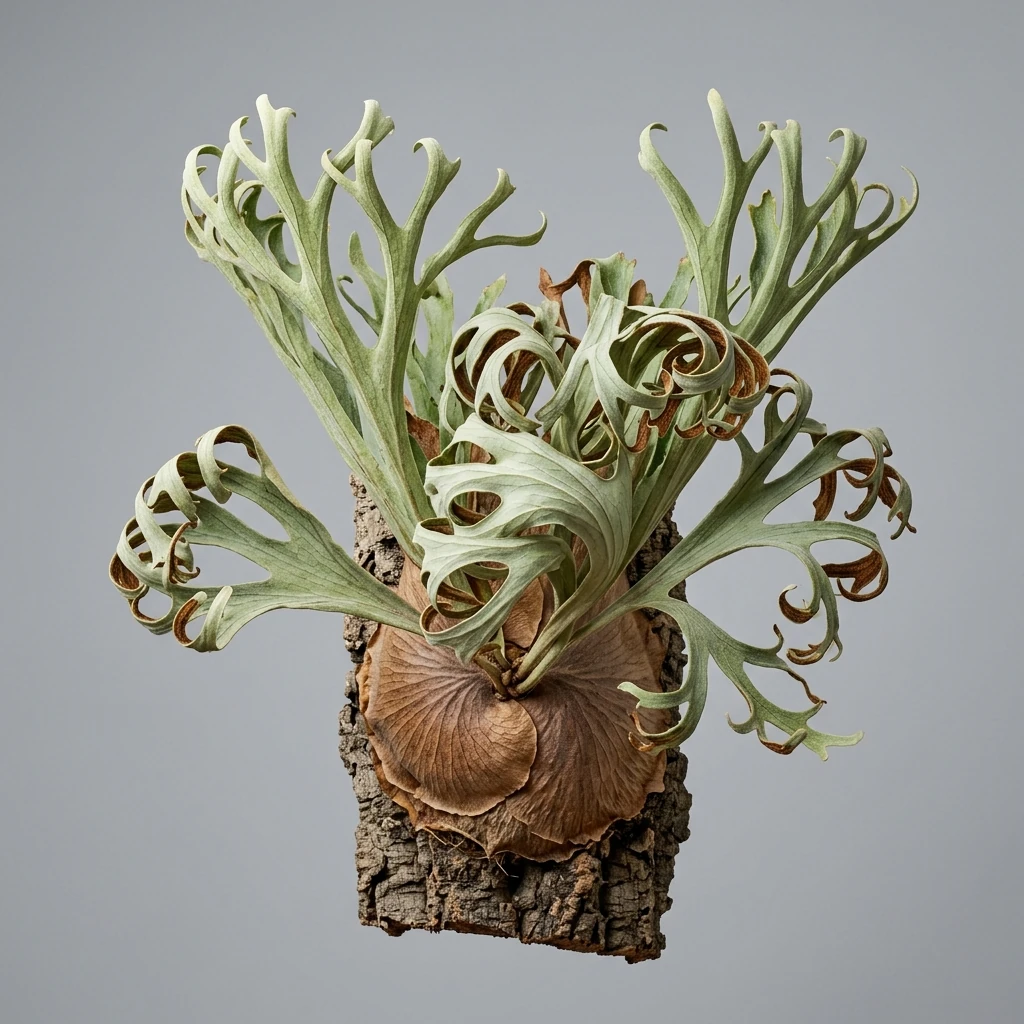
The magnificent Quadridichotomum Staghorn (Platycerium quadridichotomum) is an exceptionally rare and highly spectacular species, celebrated for its extreme drought-adaptation and striking, deeply divided four-forked fertile fronds. Native to the dry deciduous forests of Madagascar, it is uniquely adapted to survive prolonged dry seasons by going completely dormant, folding its leaves, and turning brown, only to unfold and green up within hours of receiving water (poikilohydry). It requires bright indirect light, structured porous chunk medium, and a carefully managed watering cycle.





How to Identify Quadridichotomum Staghorn
Identify Quadridichotomum Staghorn immediately by its elegant and distinctive frond structure. Native to humid forest floors or mossy rocks, it features exquisite leaf patterns optimized to thrive under dappled canopy light.
-
✓
Distinctive Features: Deeply divided, narrow fertile fronds that split precisely four times (quadri-dichotomous), and a tight base shield.
-
✓
Typical Coloration: Cool, silvery-green foliage covered in dense protective hairs, and tan base shield fronds.
-
✓
Potential Confusions: Similar to Ridley's Staghorn, but distinguished by its narrow, four-forked drooping fronds and unique dry-season dormant habit.
11-Step Professional Care Guide
💧 【Watering & Moisture】 Water moderately during the active growing season. Replicate its dry forest home by allowing the moss backing to dry out completely between waterings.
☀️ 【Sunlight & Exposure】 Requires bright, filtered indirect light. Place in a warm, bright room. Avoid direct hot afternoon sun.
🪴 【Ideal Soil Mix】 Epiphytic. Best grown mounted on cedar planks with long-fiber sphagnum moss and charcoal chunks to ensure rapid drainage.
🌡️ 【Temperature & Ventilation】 Ideal range is 16°C to 28°C (61°F - 82°F). Highly tolerant of dry air during its dormant phases, but ensure good ventilation.
✂️ 【Pruning & Grooming】 Cut away old, dry outer fronds in early spring. Clean the narrow fronds gently with a soft brush to remove dust.
🧪 【Fertilization】 Feed very lightly. Apply a water-soluble balanced liquid fertilizer diluted to one-quarter strength once every 8 weeks behind the shield.
🏺 【Potting & Container】 Not suited for standard pots. Large mounting boards are perfect to highlight the beautiful four-forked silhouette.
🌱 【Propagation】 Propagated strictly by sowing its fertile spores under warm, humid, sterile glass dome settings. It does not produce pups.
🐛 【Common Pests】 Scale insects can occasionally settle along the narrow midribs. Treat manually with a cotton swab dipped in neem oil.
🦠 【Common Diseases】 Low risk of disease, but root rot can occur if soil is compacted and soggy. Porous soil is essential.
🎓 【Botanist Advice】 The Quadridichotomum is a desert wonder. It is one of the very few staghorns that can go completely dormant during dry periods, folding its silver leaves to conserve water!
Frequently Asked Questions
Q: Why are the leaves of my Quadridichotomum folding and looking dead?
A: Do not panic! This is a natural survival mechanism. Under dry conditions, the fern folds its leaves and goes dormant to conserve water. Water it deeply, and it will green up within hours.
Q: What is the four-forked leaf structure?
A: The name comes from its unique branching pattern! The narrow fertile fronds split precisely four times in a dichotomous (two-way) division, creating a beautiful geometric fan.
Q: Is the Quadridichotomum safe for domestic pets?
A: Yes, it is completely non-toxic and pet-safe for cats, dogs, and all other pets.
Q: How cold-hardy is the Quadridichotomum?
A: It is highly frost-sensitive. Maintain warm temperatures above 15°C (59°F) at all times and protect from winter drafts.
Keep Your Quadridichotomum Staghorn Silky Green & Growing!
Use the Plant AI App to identify ferns immediately from your camera, diagnose crispy leaves, set precise moisture & watering alarms, and ask our AI Botanist expert care questions.