Mountain Wood Fern Care & Identification Guide
The magnificent Mountain Wood Fern (Dryopteris campyloptera) is a highly spectacular and robust deciduous species, native to the cool, moist, and high-altitude coniferous forests of eastern North America. Renowned for its large, open, and deeply lace-like fronds, it thrives in shaded mountain ravines and cool talus slopes. Extremely cold-hardy, it dislikes hot, humid summers; to cultivate this mountain beauty, it requires cool, shaded environments, consistent moisture, and highly organic, porous soil.





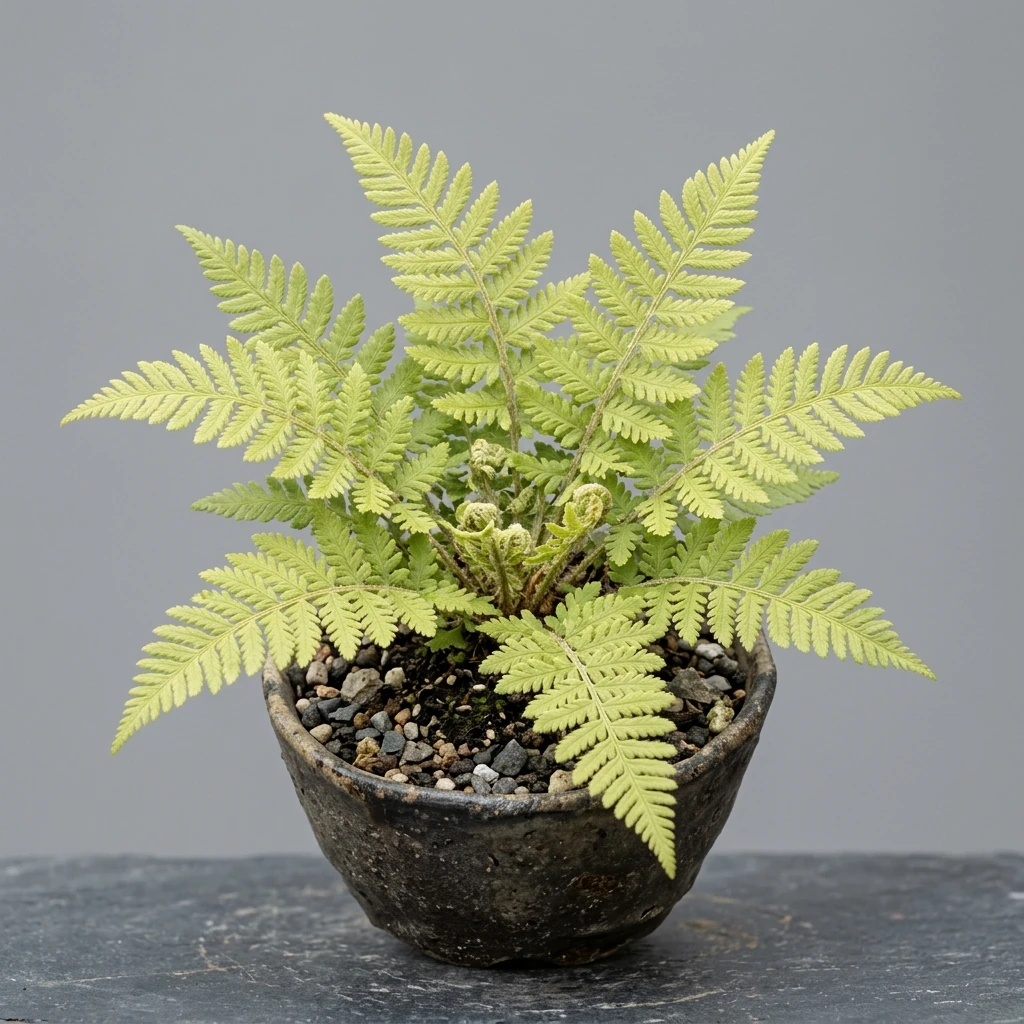
How to Identify Mountain Wood Fern
Identify Mountain Wood Fern immediately by its elegant and distinctive frond structure. Native to humid forest floors or mossy rocks, it features exquisite leaf patterns optimized to thrive under dappled canopy light.
-
✓
Distinctive Features: Large, open, deeply divided and lace-like triangular fronds up to 3 feet long that arch gracefully.
-
✓
Typical Coloration: Soft grass-green foliage, with pale green to light brown sturdy leaf stalks.
-
✓
Potential Confusions: Similar to Goldie's Wood Fern, but distinguished by its more finely divided lace-like leaves, smaller size, and high-altitude forest heritage.
11-Step Professional Care Guide
💧 【Watering & Moisture】 Requires steady, abundant moisture. Water regularly to keep the soil consistently damp, simulating the cool wet mountain forests of its native home.
☀️ 【Sunlight & Exposure】 Requires partial shade to deep shade. Protect completely from direct midday sun which easily burns its soft, lacy leaflets.
🪴 【Ideal Soil Mix】 Prefers a highly organic, rich forest loam. A blend of 50% composted leaf mold, 30% peat, and 20% coarse sand or perlite provides the perfect medium.
🌡️ 【Temperature & Ventilation】 Cold-hardy (USDA Zone 3). Prefers cool, humid summer climates. Dislikes hot, humid indoor conditions; ensure outstanding ventilation.
✂️ 【Pruning & Grooming】 Cut back dead or winter-worn deciduous fronds in late winter before the spectacular giant fiddleheads emerge in spring.
🧪 【Fertilization】 Feed once in spring with a slow-release organic fertilizer or organic mulch. Avoid strong chemical feeds.
🏺 【Potting & Container】 Requires large, wide pots with excellent drainage to accommodate its massive arching fronds and ensure roots remain cool.
🌱 【Propagation】 Propagated by carefully dividing its mature root crowns in spring, or by harvesting and sowing its spores.
🐛 【Common Pests】 Generally highly resistant to pests, but watch for slugs and snails who love the damp, shaded foliage in outdoor woodland beds.
🦠 【Common Diseases】 Low risk of disease, but ensure soil is loose and has organic structure to avoid compacted root rot in stagnant, oxygen-depleted soil.
🎓 【Botanist Advice】 The Mountain Wood Fern is a woodland wonder. Plant it in the coolest, most shaded spot in your garden, protected from drying summer winds, to keep its lacy leaves looking lush!
Frequently Asked Questions
Q: Why is my Mountain Wood Fern losing its leaves in winter?
A: This is completely natural! The Mountain Wood Fern is deciduous, meaning its massive fronds will die back completely in late autumn and re-emerge in spring as spectacular, tightly coiled giant fiddleheads.
Q: How cold-hardy is the Mountain Wood Fern?
A: It is extremely cold-hardy! Dryopteris campyloptera can survive harsh winters down to USDA Zone 3 (-40°C/-40°F) under snow cover, returning with fresh green growth in spring.
Q: Is the Mountain Wood Fern safe for pets?
A: Yes, it is completely non-toxic and pet-safe for cats, dogs, and all other household pets.
Q: What potting soil is best for this fern?
A: A rich, loose woodland mix rich in leaf mold and peat, with excellent drainage. Avoid heavy clay potting soils which compact and drown the roots.
Keep Your Mountain Wood Fern Silky Green & Growing!
Use the Plant AI App to identify ferns immediately from your camera, diagnose crispy leaves, set precise moisture & watering alarms, and ask our AI Botanist expert care questions.