Mother Fern Care & Identification Guide
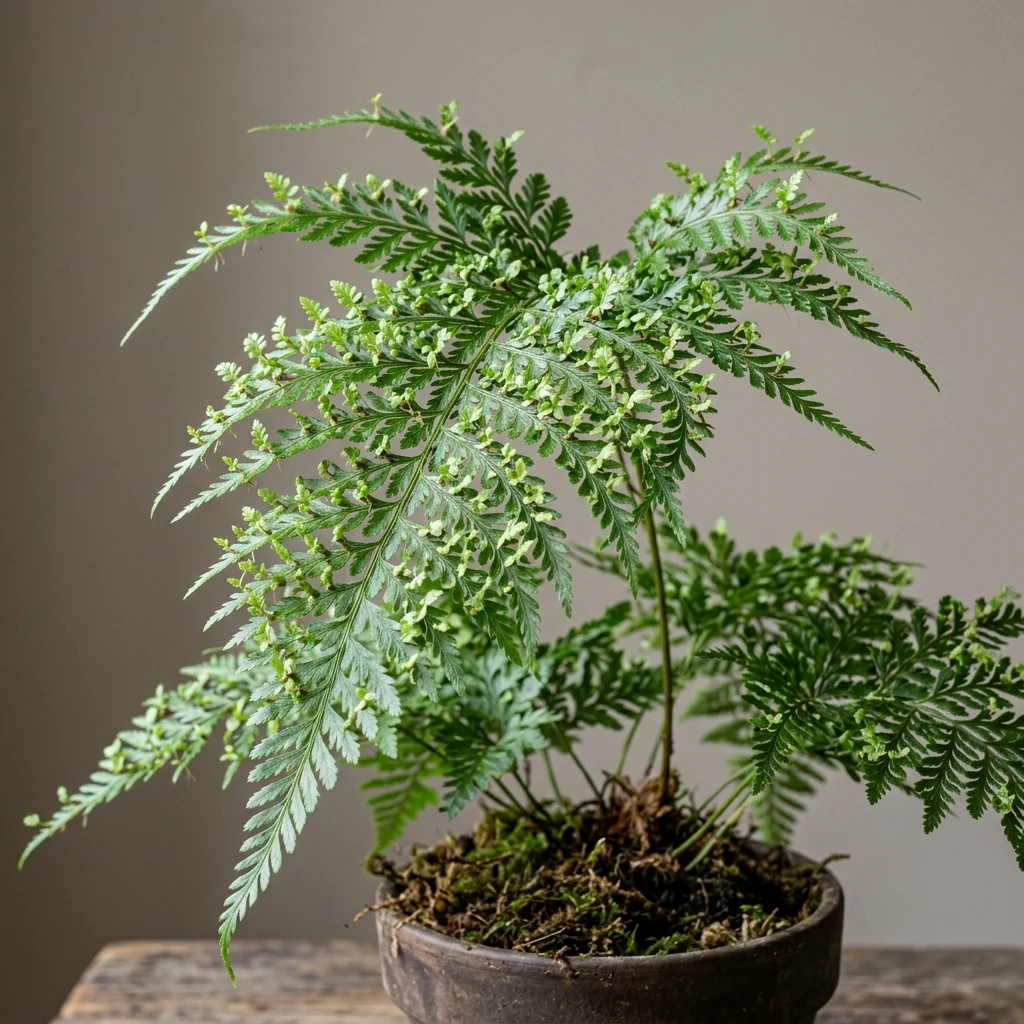
The magnificent Mother Fern (Asplenium bulbiferum), also known as the Hen and Chicks Fern, is an exceptionally unique and highly spectacular species celebrated for its amazing viviparous reproduction. Originating from damp, shaded forests in New Zealand, this highly popular fern features finely divided, feathery fronds. Most spectacularly, it produces hundreds of tiny green bulbils (plantlets) directly on the upper surface of its mature leaves, making propagation effortless. It requires filtered indirect light, consistent dampness, and free-draining peaty organic soil.





How to Identify Mother Fern
Identify Mother Fern immediately by its elegant and distinctive frond structure. Native to humid forest floors or mossy rocks, it features exquisite leaf patterns optimized to thrive under dappled canopy light.
-
✓
Distinctive Features: Delicate, lace-like deeply divided fronds carrying hundreds of tiny viviparous baby plantlets on the upper leaves.
-
✓
Typical Coloration: Lively, bright apple-green foliage covered with tiny, dark green miniature baby ferns.
-
✓
Potential Confusions: Similar to Lacey Rabbit's Foot, but instantly recognized by the presence of small baby plantlets directly growing on the leaves.
11-Step Professional Care Guide
💧 【Watering & Moisture】 Keep soil consistently damp. Water thoroughly when the top 0.5 inches of soil feels dry. Never let the root ball go dry.
☀️ 【Sunlight & Exposure】 Requires bright, filtered indirect light or partial morning sun. Direct afternoon sun will instantly bleach the delicate green leaves.
🪴 【Ideal Soil Mix】 Prefers a highly organic, porous woodland potting mix. Blend 50% peat moss, 30% perlite, and 20% organic compost or leaf mold.
🌡️ 【Temperature & Ventilation】 Ideal range is 15°C to 24°C (59°F - 75°F). Protect from freezing temperatures and dry drafts.
✂️ 【Pruning & Grooming】 Cut away old, dry outer fronds near the base. Do not damage or prune the fronds carrying the precious baby plantlets.
🧪 【Fertilization】 Feed once every 6 weeks from spring to summer with a water-soluble balanced liquid fertilizer diluted to half strength.
🏺 【Potting & Container】 Decorative ceramic or terracotta pots with drainage. Hanging baskets look stunning. Use pots with excellent drainage holes.
🌱 【Propagation】 Propagated easily by detaching the baby plantlets once they have 2-3 tiny leaves, and pressing them gently onto damp potting soil.
🐛 【Common Pests】 Watch out for spider mites and scale insects hiding under the dense baby fronds. Wipe leaves with insecticidal soap.
🦠 【Common Diseases】 Low risk of disease, but root rot can occur if soil is compacted and soggy. Porous soil is essential.
🎓 【Botanist Advice】 The Mother Fern is a true botanical wonder. Gently detach a few baby plantlets from the mature fronds and press them onto damp soil—they will root and grow into new ferns within weeks!
Frequently Asked Questions
Q: What are the small green growths on my Mother Fern leaves?
A: Those are viviparous bulbils! They are natural baby plantlets that grow directly on the mother frond. Once they have 2-3 leaves, they can be easily detached and rooted.
Q: Why is it called the Hen and Chicks Fern?
A: Because of its reproduction style! The mature mother fronds act like a 'Hen', while the hundreds of tiny baby plantlets growing on top resemble her 'Chicks'.
Q: Is the Mother Fern safe for pets?
A: Yes, Asplenium bulbiferum is completely non-toxic and pet-safe for cats, dogs, and all other household pets.
Q: How do I root the baby plantlets?
A: Simply pinch off a bulbil that has a few small fronds, press its base gently into damp peat moss soil, cover with a clear plastic cup to maintain humidity, and it will root in 2-3 weeks.
Keep Your Mother Fern Silky Green & Growing!
Use the Plant AI App to identify ferns immediately from your camera, diagnose crispy leaves, set precise moisture & watering alarms, and ask our AI Botanist expert care questions.