Mosquito Fern Care & Identification Guide
The magnificent Carolina Mosquito Fern (Azolla caroliniana), also known as the Fairy Moss, is a highly spectacular and minuscule free-floating aquatic species celebrated for its rapid growth and monumental ecological significance. Floating on calm ponds and wetlands, its tiny scale-like leaves form a dense waxy carpet that blocks mosquito larvae from breathing. It hosts a legendary symbiotic blue-green alga (Anabaena azollae) that absorbs gaseous nitrogen from the air, making Azolla a highly prized natural biofertilizer in global rice agriculture. It requires full to partial sun, warm water, and stagnant ponds.





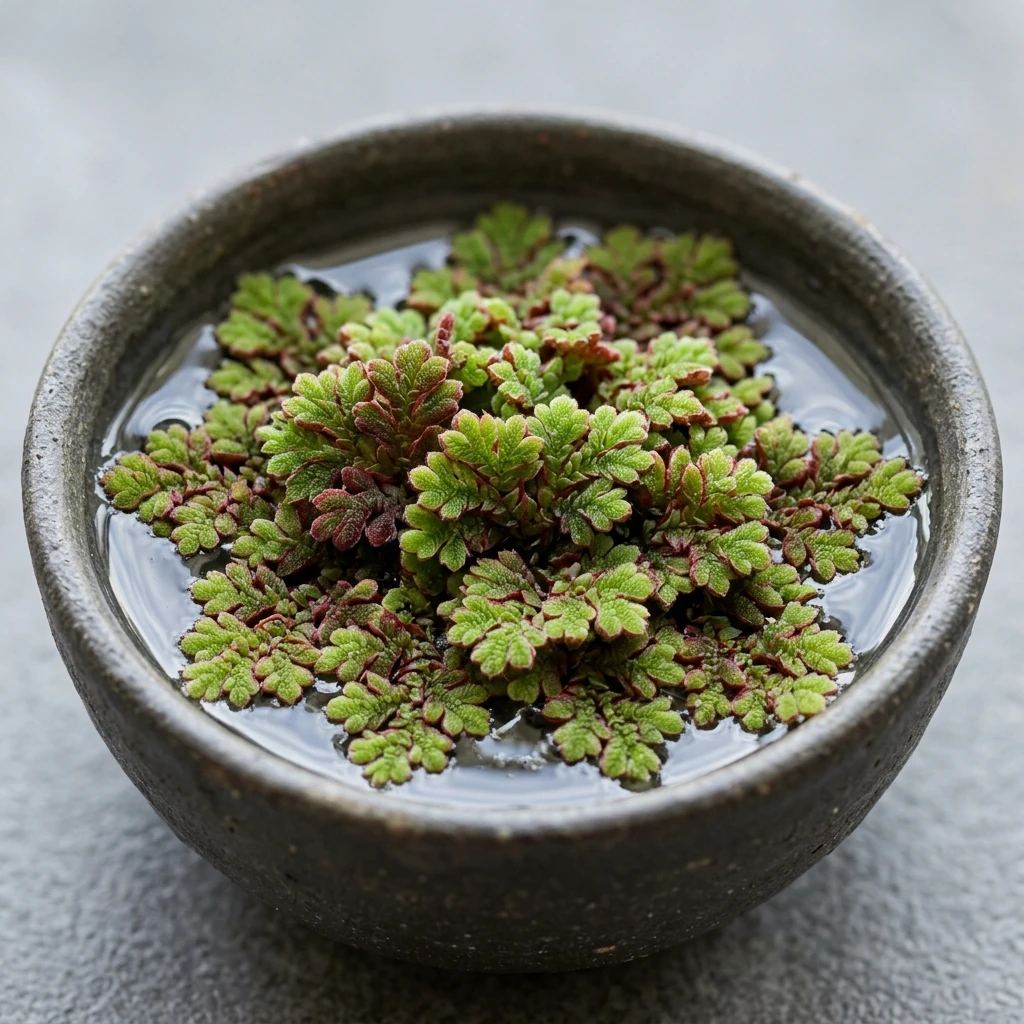
How to Identify Mosquito Fern
Identify Mosquito Fern immediately by its elegant and distinctive frond structure. Native to humid forest floors or mossy rocks, it features exquisite leaf patterns optimized to thrive under dappled canopy light.
-
✓
Distinctive Features: Tiny, velvet-like scale-like floating leaves forming a dense geometric carpet on the water surface.
-
✓
Typical Coloration: Brilliant bright green in warm weather, changing dramatically to intense ruby-red or copper-purple in autumn.
-
✓
Potential Confusions: Often mistaken for duckweed, but easily distinguished by its highly complex, fuzzy, multi-lobed branch structure.
11-Step Professional Care Guide
💧 【Watering & Moisture】 Strictly aquatic. Must grow floating on water. Calm, stagnant ponds, water bowls, or terrarium pools are perfect.
☀️ 【Sunlight & Exposure】 Requires bright filtered light to full sun. Needs high light to trigger its spectacular ruby-red color change.
🪴 【Ideal Soil Mix】 No soil required! It floats freely. However, adding a layer of organic soil or clay at the bottom of the water pot provides essential minerals.
🌡️ 【Temperature & Ventilation】 Warm-hardy (USDA Zone 7-11). Thrives in warm summers. It will die back to spores in freezing winters, sprouting again in spring.
✂️ 【Pruning & Grooming】 Skim off excess plants regularly to prevent them from completely covering the surface and blocking oxygen for fish.
🧪 【Fertilization】 No direct fertilizer needed. It fixes its own nitrogen! In aquariums, normal fish waste provides ample nutrients.
🏺 【Potting & Container】 Perfect for outdoor ponds, aquatic bowls, glass jars, or indoor open aquariums.
🌱 【Propagation】 Propagates automatically and extremely fast! The tiny plantlets split apart naturally by vegetative fragmentation.
🐛 【Common Pests】 Generally highly resistant to pests. Water snails may occasionally feed on them. Control snail populations.
🦠 【Common Diseases】 Highly resistant to disease. Stagnant water and direct midday hot summer sun are ideal.
🎓 【Botanist Advice】 The Mosquito Fern is an eco-wonder! It absorbs carbon and fixes nitrogen automatically via its symbiotic alga. Use the excess skimmed Azolla as a high-nitrogen mulch for your other indoor plants!
Frequently Asked Questions
Q: How does Azolla fix nitrogen?
A: Through teamwork! Azolla houses a blue-green alga called Anabaena azollae in its leaves. The alga absorbs nitrogen gas from the air and turns it into organic fertilizer for the fern.
Q: Why does my Mosquito Fern turn bright red?
A: This is a natural stress response! In autumn, cold winds, low temperatures, or intense sunlight trigger the production of red pigments (anthocyanins), turning the green carpet ruby-red.
Q: Is the Mosquito Fern safe for pets and fish?
A: Yes! Azolla is highly nutritious, completely non-toxic, and often used as high-protein organic feed for ducks, chickens, and pond fish.
Q: Does the Mosquito Fern actually stop mosquitoes?
A: Yes! Its dense, thick waxy floating carpet completely covers the water surface, preventing adult mosquitoes from laying eggs and blocking larvae from breathing.
Keep Your Mosquito Fern Silky Green & Growing!
Use the Plant AI App to identify ferns immediately from your camera, diagnose crispy leaves, set precise moisture & watering alarms, and ask our AI Botanist expert care questions.