Hart's Tongue Fern Care & Identification Guide
The magnificent Hart's Tongue Fern (Asplenium scolopendrium) is a highly spectacular and unique evergreen classic, celebrated for its completely undivided, strap-shaped foliage that resembles the tongue of a deer. Commonly found in moist limestone crevices, damp rocky banks, and shaded ravines in Europe and North America, this striking fern loves alkaline environments. Extremely popular in temperate gardens, it requires bright filtered light, calcareous organic soil, consistent moisture, and protection from drying winds.





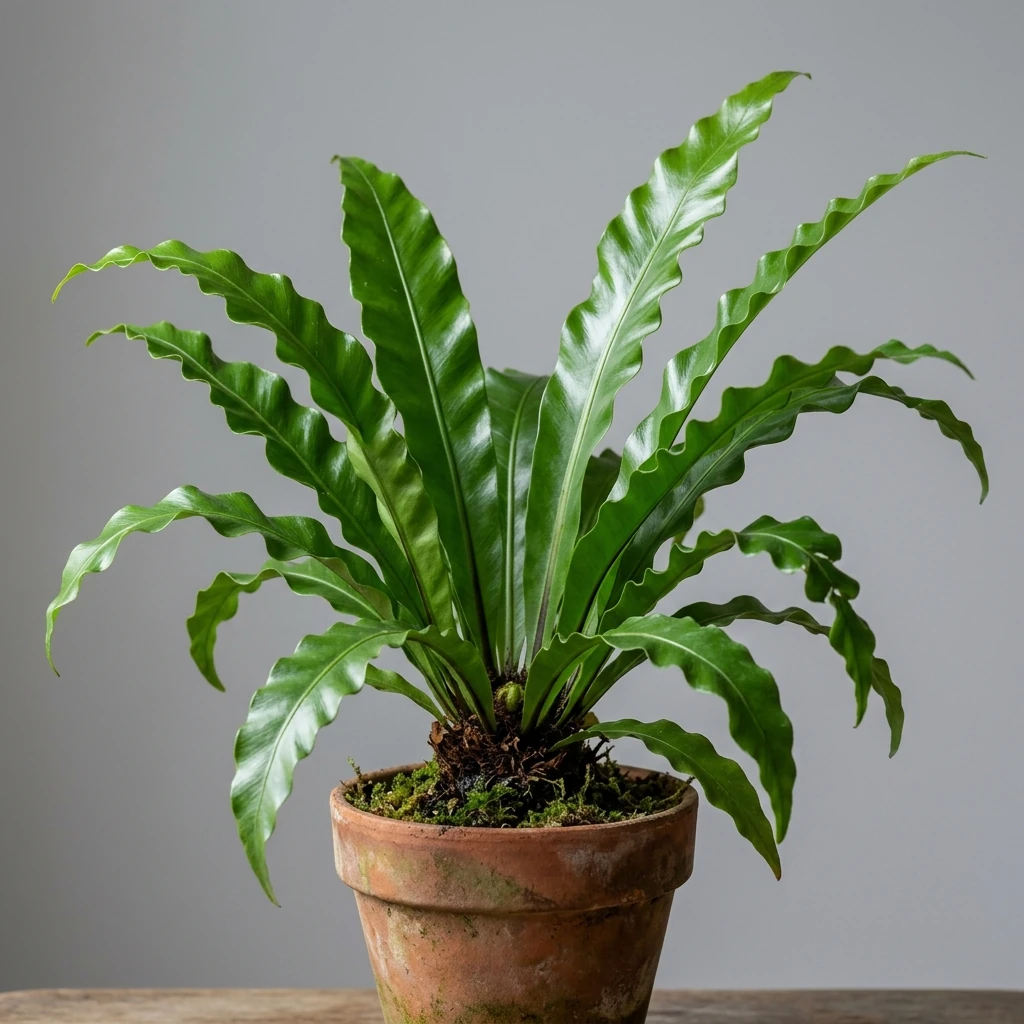
How to Identify Hart's Tongue Fern
Identify Hart's Tongue Fern immediately by its elegant and distinctive frond structure. Native to humid forest floors or mossy rocks, it features exquisite leaf patterns optimized to thrive under dappled canopy light.
-
✓
Distinctive Features: Highly unusual, completely undivided, strap-like shiny fronds with heart-shaped lobes at the base.
-
✓
Typical Coloration: Rich, glossy grass-green foliage, with pale golden scales covering the short upright leaf stalks.
-
✓
Potential Confusions: Unmistakable due to its undivided strap leaves. Completely different from standard feathery ferns.
11-Step Professional Care Guide
💧 【Watering & Moisture】 Keep the soil consistently moist but never soggy. Water thoroughly when the top 0.5 inches of soil feels slightly dry to the touch.
☀️ 【Sunlight & Exposure】 Requires partial shade to deep forest shade. Direct afternoon sun will instantly bleach and destroy the glossy strap leaves.
🪴 【Ideal Soil Mix】 Prefers alkaline, calcareous soil. Blend 50% peat moss, 30% perlite, 20% organic compost, and add a tablespoon of dolomitic limestone.
🌡️ 【Temperature & Ventilation】 Cold-hardy (USDA Zone 5-9). Thrives in cool, moist climates. Indoors, keep away from warm air vents.
✂️ 【Pruning & Grooming】 Cut away old, dry outer fronds in late winter to keep the symmetrical dome neat and encourage colorful new growth in spring.
🧪 【Fertilization】 Feed once in spring with a slow-release organic fertilizer or organic mulch. Pour the highly diluted liquid feed directly into the soil.
🏺 【Potting & Container】 Terracotta pots with drainage holes are ideal, wicking away excess moisture to protect the tough root crown.
🌱 【Propagation】 Propagated by carefully dividing mature crowns in spring, or by sowing spores under cool, humid, sterile glass dome settings.
🐛 【Common Pests】 Scale insects can occasionally settle along the midribs of the fronds. Wipe off manually with neem oil.
🦠 【Common Diseases】 Highly susceptible to root rot if soil is compacted. Porous limestone soil is essential.
🎓 【Botanist Advice】 The Hart's Tongue Fern is a limestone wonder. Plant it in dry stone walls or gravelly rock crevices where it can drape beautifully without retaining excess crown water!
Frequently Asked Questions
Q: Why does my Hart's Tongue Fern have solid, undivided leaves?
A: This is a natural characteristics of Asplenium scolopendrium! Unlike standard feathery ferns, it has evolved long, solid, strap-shaped leaves that resemble the tongue of a deer (Hart).
Q: Does the Hart's Tongue Fern need limestone in the soil?
A: Yes! In the wild, it clings to wet limestone rocks. Adding a little dolomitic lime or crushed shells to its peaty potting mix helps keep the pH slightly alkaline, which it loves.
Q: Is the Hart's Tongue Fern safe for household pets?
A: Yes, it is completely non-toxic and pet-safe for cats, dogs, and all other household pets.
Q: What causes the leaves of my fern to droop?
A: Drooping fronds are usually caused by dry soil or low humidity. Water the soil thoroughly and place the pot in a humid area to help the fronds bounce back.
Keep Your Hart's Tongue Fern Silky Green & Growing!
Use the Plant AI App to identify ferns immediately from your camera, diagnose crispy leaves, set precise moisture & watering alarms, and ask our AI Botanist expert care questions.