Fishbone Fern Care & Identification Guide
The magnificent Fishbone Fern (Nephrolepis cordifolia), also known as the Tuberous Sword Fern, is a highly vigorous and adaptable species characterized by its stiffly erect fronds that resemble a fish's skeleton. Uniquely, it produces small, round, underground water-storing tubers along its runner stolons. This outstanding adaptation allows the Fishbone Fern to survive dry spells much better than other ferns. It thrives in a variety of environments, from shaded garden borders to indoor pots, requiring bright indirect light, well-aerated soil, and a moderate moisture regimen.





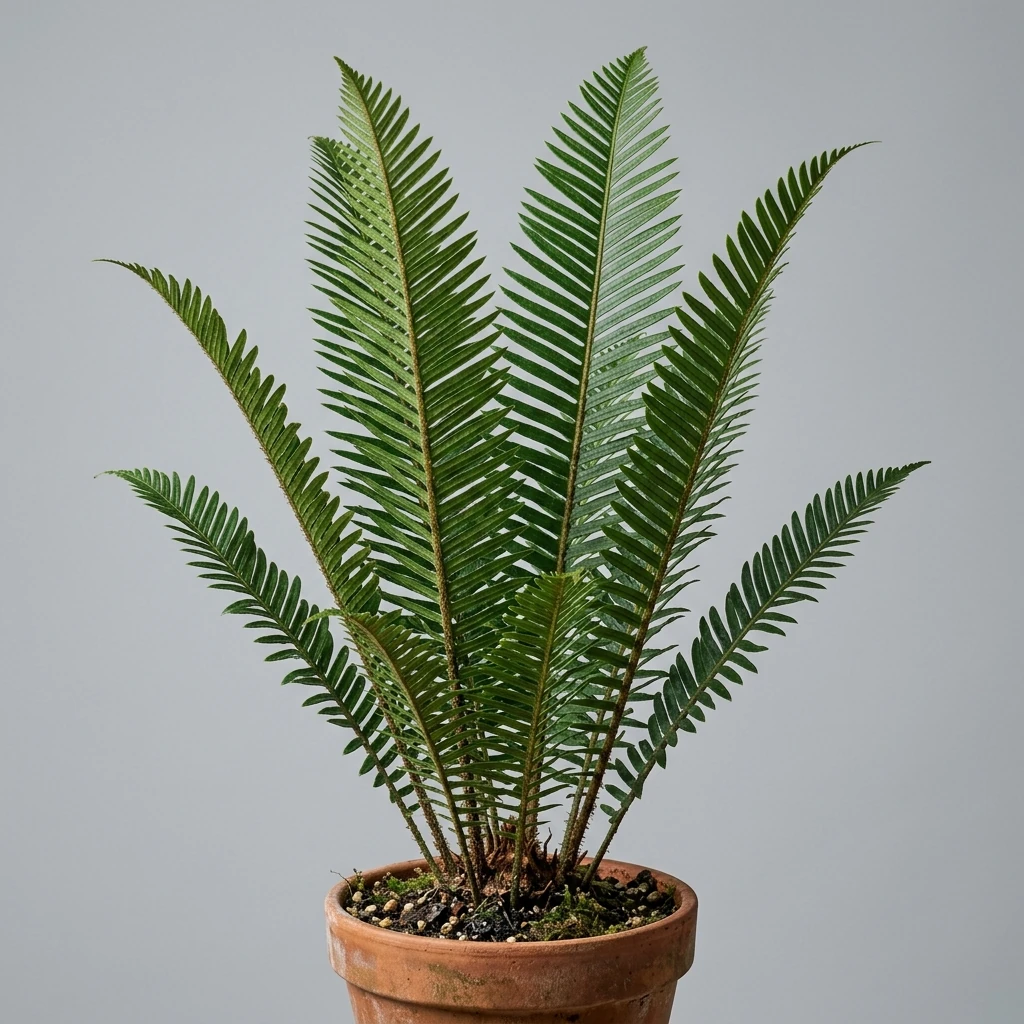
How to Identify Fishbone Fern
Identify Fishbone Fern immediately by its elegant and distinctive frond structure. Native to humid forest floors or mossy rocks, it features exquisite leaf patterns optimized to thrive under dappled canopy light.
-
✓
Distinctive Features: Pinnate fronds with stiffly erect, herringbone-patterned leaflets, and small round tubers on the roots.
-
✓
Typical Coloration: Rich, bright grass-green, with small, scale-like structures along the brown central stalk.
-
✓
Potential Confusions: Similar to Boston Fern, but easily distinguished by its vertical, stiffer fronds and the presence of round root tubers.
11-Step Professional Care Guide
💧 【Watering & Moisture】 Water when the top 1 inch of soil feels dry. Thanks to its underground tubers, it can tolerate temporary dry soil better than almost any other Nephrolepis.
☀️ 【Sunlight & Exposure】 Thrives in bright indirect light to semi-shade. Can tolerate partial morning sun, but intense midday sun will bleach the leaves.
🪴 【Ideal Soil Mix】 Requires a porous, sandy-loam or peaty mix. Blend 50% peat moss, 25% perlite, and 25% coarse sand to ensure flawless drainage.
🌡️ 【Temperature & Ventilation】 Ideal temperature range is 15°C to 25°C (59°F - 77°F). It is moderately hardy and can survive outdoor winters in mild temperate climates.
✂️ 【Pruning & Grooming】 Cut older, dry fronds at the base to encourage new vertical shoots. It has a rapid growth rate, so regular pruning keeps it contained.
🧪 【Fertilization】 Feed once every 6-8 weeks from spring to early autumn with a balanced liquid fertilizer diluted to half strength. Avoid overfeeding.
🏺 【Potting & Container】 Plastic or terracotta pots with drainage are excellent. Be prepared to repot annually as its vigorous runners and tubers will quickly fill the pot.
🌱 【Propagation】 Easily propagated by dividing the root ball and harvesting the tubers. Any division containing a tuber and active crown will sprout rapidly.
🐛 【Common Pests】 Generally pest-resistant, but keep an eye out for scale insects along the vertical stems. Wipe scales off using insecticidal soap.
🦠 【Common Diseases】 Extremely resilient, but root rot can still occur if kept in standing swampy water. Ensure potting mix drains rapidly.
🎓 【Botanist Advice】 The Fishbone Fern is incredibly tough. If you struggle to keep delicate ferns alive, its unique water-storing tubers make this species the most forgiving fern for beginners.
Frequently Asked Questions
Q: What are the round, hard balls on my Fishbone Fern roots?
A: Those are tubers! They are perfectly natural water-storage organs unique to Nephrolepis cordifolia, helping the plant survive dry periods. They are not a sign of disease.
Q: How drought-tolerant is the Fishbone Fern?
A: It is highly drought-tolerant for a fern. While it prefers moist soil, it can survive weeks of dry soil by utilizing the water stored in its underground tubers.
Q: Is the Fishbone Fern invasive?
A: In warm, frost-free outdoor climates (like parts of Florida or Australia), its vigorous runners can spread aggressively. Keep it in pots if you live in these regions.
Q: Is this fern safe for my cats and dogs?
A: Yes, Nephrolepis cordifolia is completely non-toxic and pet-safe.
Keep Your Fishbone Fern Silky Green & Growing!
Use the Plant AI App to identify ferns immediately from your camera, diagnose crispy leaves, set precise moisture & watering alarms, and ask our AI Botanist expert care questions.