Crested Wood Fern Care & Identification Guide
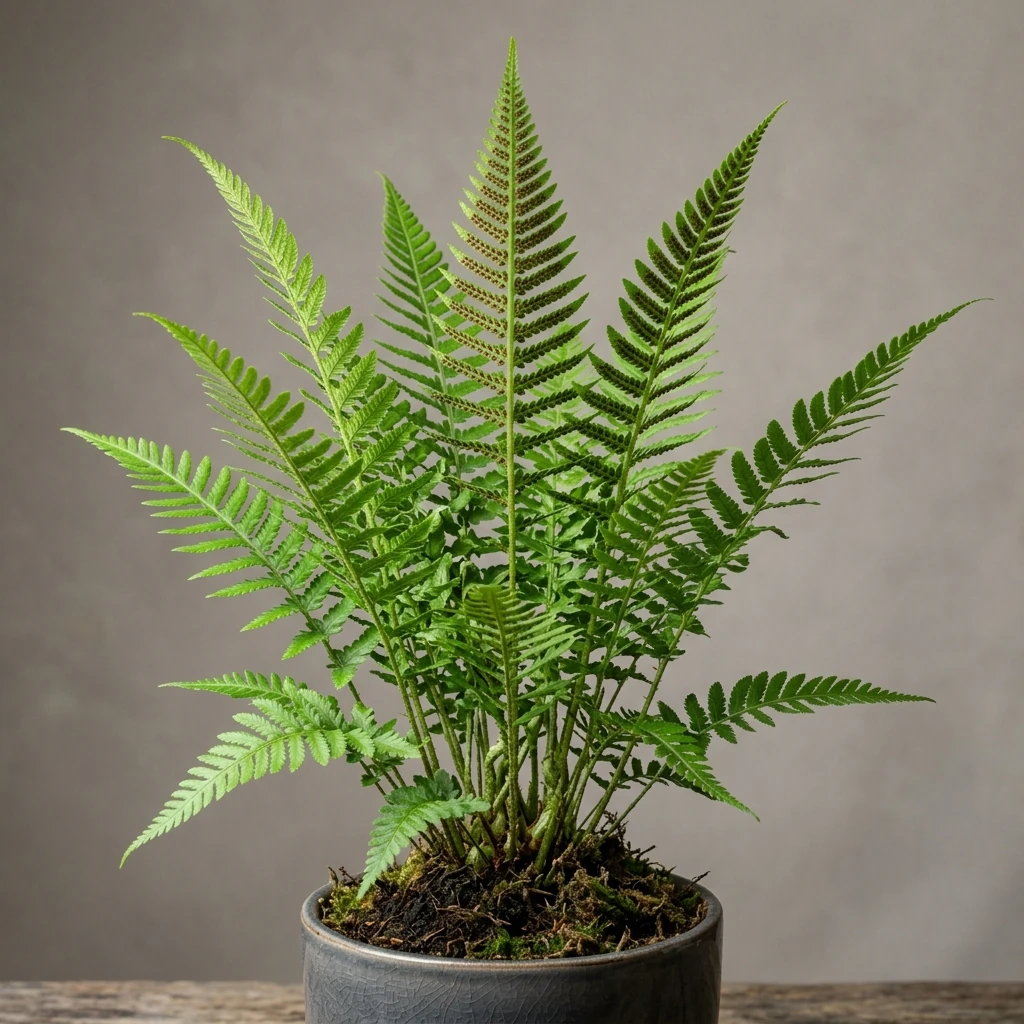
The magnificent Crested Wood Fern (Dryopteris cristata) is an exceptionally unique evergreen species, celebrated for the fascinating dimorphism (two-way structure) of its fronds. Native to bogs, wet meadows, and acidic marshlands across northern temperate zones, it features stiffly upright, narrow fertile (spore-bearing) fronds that twist their leaflets horizontally like mini window blinds to catch the wind, while its sterile fronds remain arching and low to form a protective base. To grow this wetland curiosity, it requires consistent moisture, highly organic, acidic peaty soil, and shaded conditions.





How to Identify Crested Wood Fern
Identify Crested Wood Fern immediately by its elegant and distinctive frond structure. Native to humid forest floors or mossy rocks, it features exquisite leaf patterns optimized to thrive under dappled canopy light.
-
✓
Distinctive Features: Rigidly upright, narrow fertile fronds with leaflets twisted horizontally, contrasting with lower sterile fronds.
-
✓
Typical Coloration: Soft, bright grass-green foliage, with pale green to light brown stems.
-
✓
Potential Confusions: Uniquely identified by the horizontal twisting of its fertile leaflets (resembling window blinds) and two-way frond habit.
11-Step Professional Care Guide
💧 【Watering & Moisture】 Requires abundant, constant soil dampness. Water deeply and regularly to simulate its boggy habitat. Never let the pot dry out.
☀️ 【Sunlight & Exposure】 Prefers partial shade to cool dappled light. Tolerates slightly more light than other wood ferns, but protect from hot direct afternoon sun.
🪴 【Ideal Soil Mix】 Prefers wet boggy soil. A mix of 60% peat moss, 20% organic compost, and 20% sand or perlite provides the perfect acidic medium.
🌡️ 【Temperature & Ventilation】 Extremely cold-hardy (USDA Zone 3). Prefers cool summer temperatures. Indoors, ensure high humidity and cool air.
✂️ 【Pruning & Grooming】 Cut away old, dry sterile fronds in late winter. Handle the erect fertile fronds with care to avoid breaking their unique structure.
🧪 【Fertilization】 Feed very sparingly once in spring with a highly diluted organic liquid fertilizer. Dislikes heavy chemical nutrients.
🏺 【Potting & Container】 Terracotta or plastic pots with drainage are suitable. Excellent for bog planters or shallow decorative pots.
🌱 【Propagation】 Propagated by root division in early spring. Gently slice the compact rhizome clumps and plant in moist peaty soil.
🐛 【Common Pests】 Generally highly resistant to pests. Watch for slugs in wet garden beds; treat with organic snail bait if needed.
🦠 【Common Diseases】 Low risk of disease, but ensure soil has structure (such as sand/perlite) to avoid compacted root rot in stagnant mud.
🎓 【Botanist Advice】 The Crested Wood Fern's horizontally twisted leaflets are a wonder of wind-dispersal evolution. Plant it in a bog planter or wet garden border where this unique geometry can be admired!
Frequently Asked Questions
Q: Why do the leaves on my Crested Wood Fern twist horizontally?
A: This is a natural evolutionary adaptation! The fertile fronds twist their leaflets horizontally (like window blinds) to maximize wind currents, helping to disperse their spores far and wide.
Q: Does this fern grow in boggy, swampy soil?
A: Yes! Dryopteris cristata is a native bog fern, thriving in wet, highly organic, acidic soils. It is highly suited for rain gardens and pond edges.
Q: Is the Crested Wood Fern safe for cats and dogs?
A: Yes, it is completely non-toxic and pet-safe for all household pets.
Q: Is this fern evergreen?
A: Yes, in mild winter climates it is fully evergreen, although the tall fertile fronds may collapse in heavy snow, leaving the low sterile fronds green.
Keep Your Crested Wood Fern Silky Green & Growing!
Use the Plant AI App to identify ferns immediately from your camera, diagnose crispy leaves, set precise moisture & watering alarms, and ask our AI Botanist expert care questions.