Black Spleenwort Care & Identification Guide
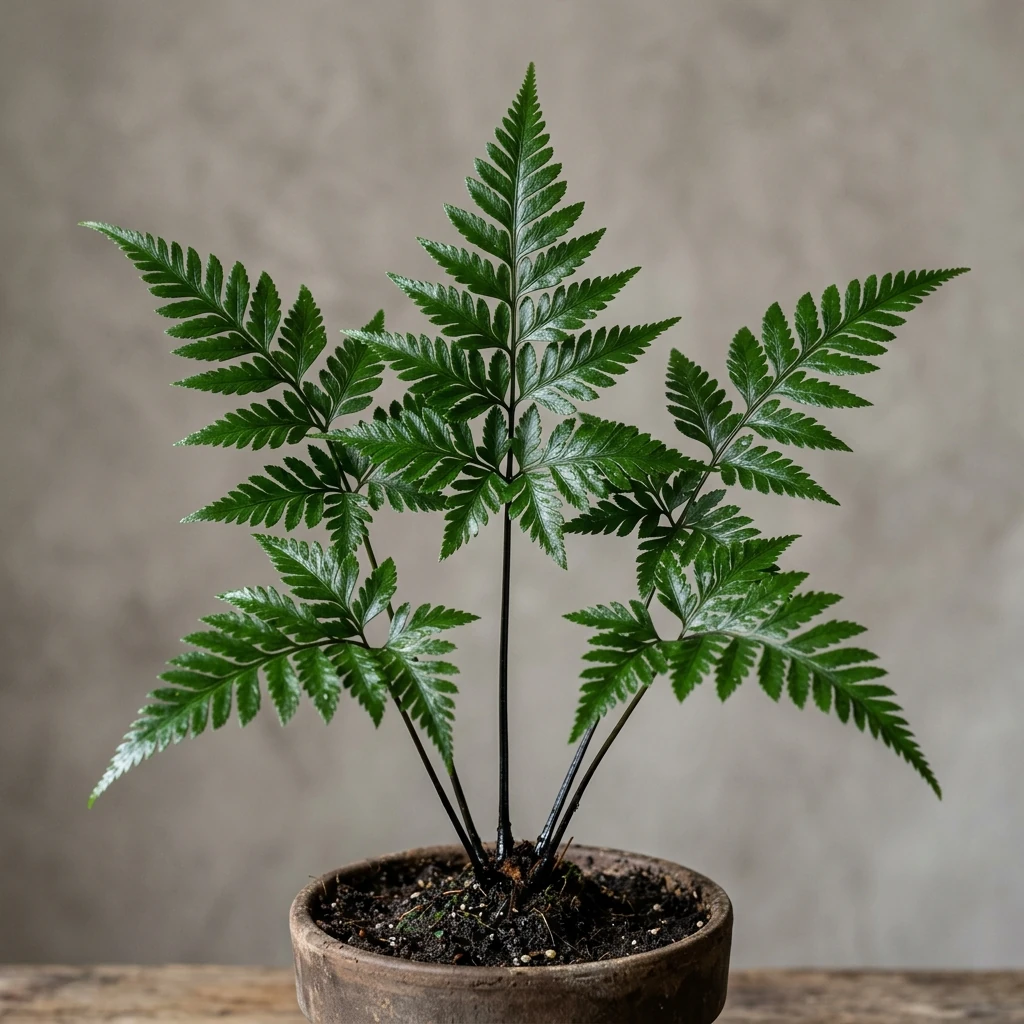
The magnificent Black Spleenwort (Asplenium adiantum-nigrum) is an exceptionally unique and highly spectacular species celebrated for its dramatic, near-black stalks. Native to shaded rock crevices, ancient stone walls, and damp rocky woodland slopes across Europe and North America, its triangular fronds feature deeply divided leaflets. The glossy green leaves contrast beautifully with highly polished ebony stalks. To grow this rock-clinging gem, it requires cool shaded settings, Grit-peat soil with limestone, and exceptional drainage.





How to Identify Black Spleenwort
Identify Black Spleenwort immediately by its elegant and distinctive frond structure. Native to humid forest floors or mossy rocks, it features exquisite leaf patterns optimized to thrive under dappled canopy light.
-
✓
Distinctive Features: Delicate, triangular deeply divided fronds suspended on lustrous, dark ebony to near-black wiry stems.
-
✓
Typical Coloration: Rich emerald green foliage with a highly polished waxy shine and a prominent dark brown to black central midrib.
-
✓
Potential Confusions: Similar to Maidenhair Spleenwort, but distinguished by its broader, triangular twice-divided leaves and larger size.
11-Step Professional Care Guide
💧 【Watering & Moisture】 Water moderately. Allow the gritty potting medium to dry out slightly between waterings. Highly tolerant of brief dry periods once established.
☀️ 【Sunlight & Exposure】 Requires partial shade to deep forest shade. Direct afternoon sun will instantly bleach the glossy green color.
🪴 【Ideal Soil Mix】 Prefers a highly drained, porous peaty-sandy mix with limestone. Blend 50% peat, 30% coarse sand or pumice, and 20% crushed limestone.
🌡️ 【Temperature & Ventilation】 Cold-hardy (USDA Zone 5). Prefers cool, moist summers. Indoors, keep away from warm air vents and maintain cool setting.
✂️ 【Pruning & Grooming】 Cut away old, dry outer fronds in early spring to keep the symmetrical dome neat and encourage colorful new growth.
🧪 【Fertilization】 Feed very lightly once in early spring with a slow-release organic fertilizer. Avoid strong chemical feeds.
🏺 【Potting & Container】 Terracotta pots with drainage holes are ideal, helping to protect the tough root crown from rot.
🌱 【Propagation】 Propagated by carefully dividing mature crowns in spring, or by sowing spores under cool, humid, sterile glass dome settings.
🐛 【Common Pests】 Generally highly resistant to pests. Watch for scale insects along the leaf stems. Wipe off manually.
🦠 【Common Diseases】 Highly susceptible to root rot if soil is compacted and soggy. Porous gritty limestone soil is essential.
🎓 【Botanist Advice】 The Black Spleenwort is a rock wall wonder. Plant it in dry stone walls or gravelly rock crevices where it can drape beautifully without retaining excess crown water!
Frequently Asked Questions
Q: Why are the leaf stems of my Black Spleenwort near-black?
A: This is a natural characteristics of Asplenium adiantum-nigrum! The leaf stalks (stipes) are a glossy, jet-black to dark purple-black color, which contrasts beautifully with the rich green foliage.
Q: Does the Black Spleenwort prefer limestone in the soil?
A: Yes! Being a rock-clinging lithophyte, it loves calcareous substrates. Mixing in a little crushed limestone or shell grit to the soil helps keep it healthy.
Q: Is the Black Spleenwort safe for domestic pets?
A: Yes, it is completely non-toxic and pet-safe for cats, dogs, and all other pets.
Q: Can I grow the Black Spleenwort in dark rooms?
A: Yes, it is highly shade-tolerant, making it a great fern for low-light indoor spaces, dark hallways, and shaded north-facing windows.
Keep Your Black Spleenwort Silky Green & Growing!
Use the Plant AI App to identify ferns immediately from your camera, diagnose crispy leaves, set precise moisture & watering alarms, and ask our AI Botanist expert care questions.