Ceratopteris thalictroides

Water Fern Growing & Care Guide

Water Fern, also known as Water Sprite, is a spectacular, fast-growing vertical species native to tropical regions worldwide. Prized for its gorgeous, finely-divided bright green feathered fronds, it is highly versatile, growing happily anchored in substrate or floating on the water surface, acting as an elite biological filter that rapidly absorbs excess pond nitrates.

Lighting Icon
Lighting Moderate to High
Watering Icon
Water Parameter Aquatic (pH 6.0-7.8)
Substrate Icon
Substrate Sand, Gravel or Floating
Temperature Icon
Water Temp 20°C - 28°C
Toxicity Warning Icon
Toxicity Pet Friendly (Non-toxic)
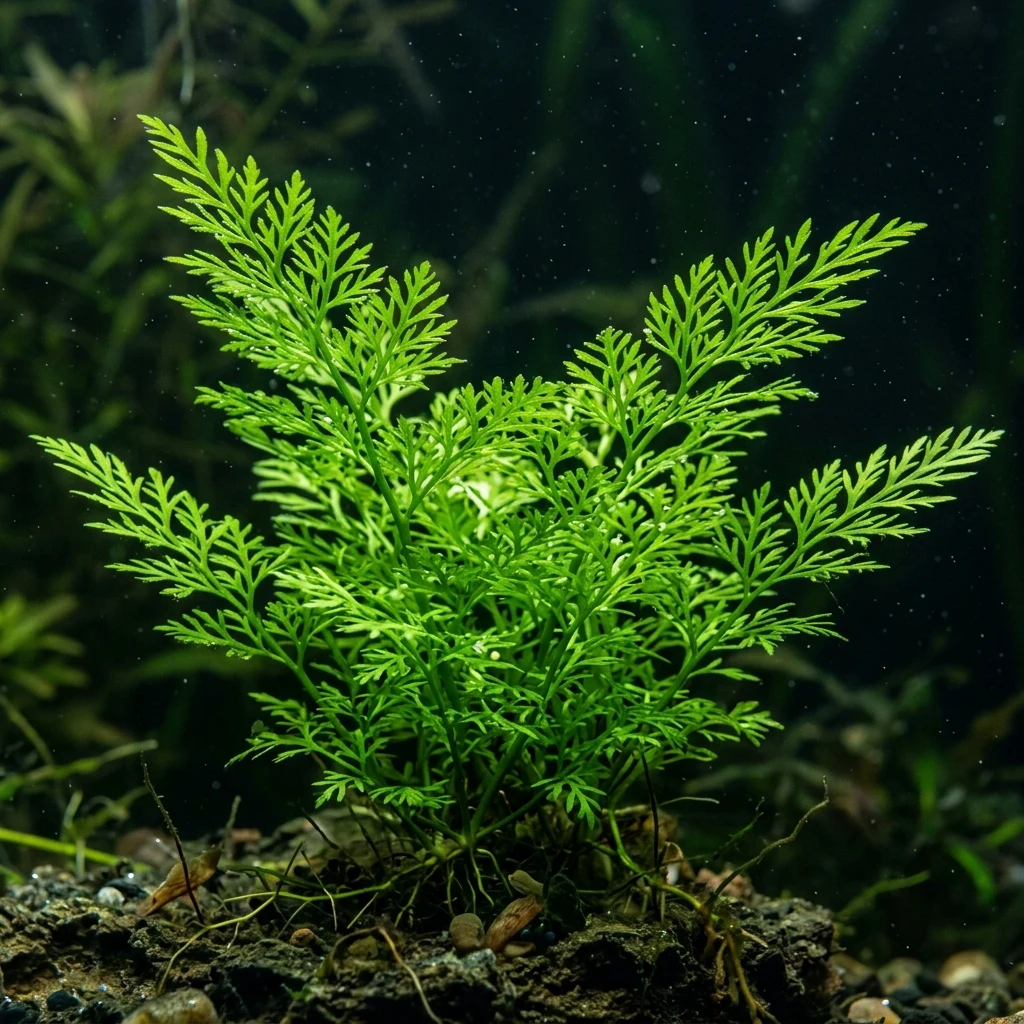
Botanical macro photography of Water Fern (Ceratopteris thalictroides) - Plant AI care database

How to Identify Water Fern

Water Fern (Ceratopteris thalictroides) has key botanical markers. Recognizing these features is crucial for successful aquascaping and thriving growth.

  • Visual Shape & Growth: Tall vertical clumps of bright green, finely-divided lacy feathered leaves.
  • Leaf Morphology: Delicate, deeply-divided pinnate leaves resembling terrestrial parsley or fern fronds.
  • Root & Anchoring Structure: Spongy, fibrous vertical white roots that absorb massive nutrients directly from the water column.
💡 Plant AI Tip: Take a photo with Plant AI to identify aquatic weeds and diagnose fungal spot diseases in 1 second.

Complete Cultivation & Spawning Guide

Follow our detailed scientific water parameters and care guides to keep your Water Fern thriving.

pH: 6.0 - 7.8, GH: 3 - 15 dGH. Tolerates a wide range of water chemistry. Performs exceptionally well in nutrient-rich tanks.
Low. Grows perfectly without pressurized CO2, though supplemental carbon enhances leaf thickness and size.
Moderate to high. Under strong lighting, it grows exceptionally fast and develops dense feathered foliage.
Cut off old, yellowing, or damaged leaves at the base of the stem. Clean dead organic debris to prevent siltation.
Extremely heavy feeder. Thrives by absorbing massive nitrates and phosphates. Dose heavily with liquid fertilizers.
Requires sand, gravel, or can be left completely floating. If planted, bury roots gently while keeping the crown above soil.
Optimal temperature is 20°C to 28°C (68°F - 82.4°F). Sensitive to severe cold shocks below 15°C.
Enjoys moderate current. Steady water flow delivers carbon and trace minerals directly to its broad foliage layers.
Its delicate leaves can be eaten by herbivorous fish. Best for community tanks with small fish and shrimp.
Elite nutrient consumer, starving pond algae of excess nitrates and phosphates. Shades shallow waters.
Best placed in the background. Space rosettes at least 4 to 5 inches apart to accommodate their massive foliage spread.

Are your Water Fern leaves turning yellow, transparent or melting away?

Dose comprehensive liquid fertilizers, check for nitrogen deficiency, and ensure moderate light.

Diagnose My Aquatics

Common Diseases & Treatment

Nitrogen Deficiency (Yellowing)

Symptoms: Old leaves rapidly turn pale yellow, transparent, and decompose in the water column.

Action: A heavy consumer. Increase liquid macro-nutrient dosing containing nitrogen and potassium immediately.

Floating Root Rot

Symptoms: Spongy white floating roots turn brown, slimy, and disintegrate.

Action: Caused by stagnant, low-circulation water column or high temperatures. Improve flow and lower water temp.

Frequently Asked Questions

Can it grow floating?

Yes! In fact, it grows exceptionally fast as a floating plant, providing magnificent shade and cover for fish fry and shrimp.

How do I propagate Water Sprite?

Propagate easily by cutting the creeping stems, or by harvesting adventitious baby plants that spontaneously grow from older leaf margins.

Why are the leaves turning transparent?

Transparent leaves are a clear sign of severe nutrient starvation (usually lack of iron or nitrogen) or sudden light drops.

Is it safe for shrimp?

Yes! Shrimps love grazing on its delicate, finely-divided feathered fronds, which trap rich microscopic organic debris.

Master advanced aquascaping. Start today!

Get Started for Free