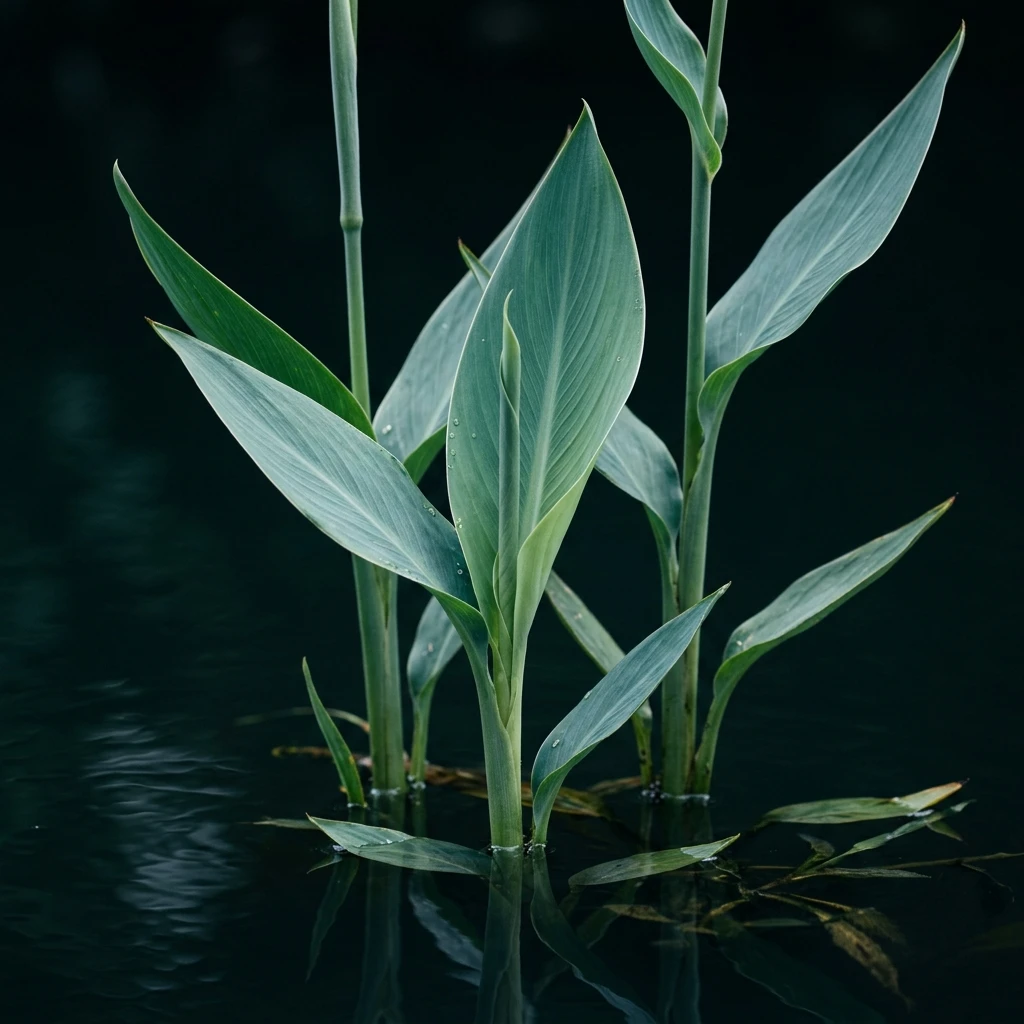
Canna glauca

Water Canna Growing & Care Guide

Water Canna is an incredibly elegant, tall vertical marginal plant native to tropical wetlands of the Americas. It is celebrated for its lance-shaped, blue-green glaucous leaves and spectacular, bright yellow blossoms. Growing up to 4-5 feet tall, it makes an elite structural background anchor for bog gardens, pond margins, and shallow water margins.


Lighting Icon
Lighting Full Sun
Watering Icon
Water Parameter Wet soil to Shallow Water
Substrate Icon
Substrate Nutrient-rich wet soil / clay
Temperature Icon
Water Temp 18°C - 32°C
Toxicity Warning Icon
Toxicity Pet Friendly (Non-toxic)
Botanical macro photography of Water Canna (Canna glauca) - Plant AI care database

How to Identify Water Canna

Water Canna (Canna glauca) has key botanical markers. Recognizing these features is crucial for successful aquascaping and thriving growth.

  • Visual Shape & Growth: Tall, erect vertical stems with large blue-green waxy leaves and bright yellow orchid-like flowers at the tips.
  • Leaf Morphology: Large lanceolate leaves with a beautiful waxy, powdery blue-green coating (glaucous surface) that repels water.
  • Root & Anchoring Structure: Fleshy, creeping underground rhizomes that spread laterally in wet sand or mud.
💡 Plant AI Tip: Take a photo with Plant AI to identify aquatic weeds and diagnose fungal spot diseases in 1 second.

Complete Cultivation & Spawning Guide

Follow our detailed scientific water parameters and care guides to keep your Water Canna thriving.

pH: 6.0 - 7.5. Tolerates a wide range of water chemistry. Performs exceptionally well in nutrient-rich bog filters.
Low. Grows emersed, drawing all its carbon dioxide directly from the surrounding air.
Full sun. Requires a minimum of 6 hours of hot, direct sunlight daily. Foliage turns dark green and loses blue hue in shade.
Cut spent flower stalks back to the next node to encourage continuous blooming. Cut dead brown stems to the ground in autumn.
Extremely heavy feeder. Thrives in bog filters by absorbing massive nitrates and phosphates. Dose heavily with root tabs.
Requires a deep, rich organic wet soil or heavy clay (at least 6 inches) to sustain its fast, robust vertical growth.
Optimal temperature is 18°C to 32°C (64°F - 90°F). Tropical plant; rhizomes must be dug up and stored indoors in cold winter zones.
Prefers slow-moving or stagnant shallow water. Stems can break in extremely windy, open pond situations.
Excellent for pond edges. Creeping rhizomes stabilize muddy shorelines, providing secure spawning sites for frogs.
Acts as an elite bio-filter, absorbing massive excess pond nutrients. Shades pond margins, reducing green water algae.
Plant in shallow water (0 to 6 inches deep over the crown). Space individual rhizomes 12 to 18 inches apart.

Are your Water Canna leaves turning brown at the edges or failing to produce yellow flowers?

Provide full direct sun, check for spider mites, and insert nitrogen-rich fertilizer tabs into the wet clay.

Diagnose My Aquatics

Common Diseases & Treatment

Canna Rust (Fungal)

Symptoms: Powdery orange-yellow spots spread on the undersides of the leaves, causing leaves to turn brown and die.

Action: Caused by high humidity and poor air circulation. Spray with organic neem oil and prune heavily infected foliage immediately.

Canna Virus

Symptoms: Leaves show pale green streaks or mosaic patterns, distorting leaf growth and stunting flowers.

Action: No cure exists for viral infections. Remove and destroy the infected plant immediately to prevent spreading to other Cannas.

Frequently Asked Questions

Can Water Canna grow completely submerged?

No. Only its roots and the base of the stems (up to 6 inches) should be submerged in water. The foliage must grow emersed in the air.

How do I overwinter Water Canna in cold climates?

Before the first hard freeze, cut the stems down to 2 inches, dig up the fleshy rhizomes, wash off mud, and store in dry peat moss in a cool, frost-free cellar.

Why are my leaf tips turning brown and crispy?

This is usually caused by dry air or windburn. Ensure the roots are constantly wet or submerged, and place the plant in a wind-sheltered spot.

Does it attract pollinators?

Yes! The gorgeous bright yellow flowers are highly attractive to hummingbirds, bees, and butterflies, boosting garden biodiversity.

Master advanced aquascaping. Start today!

Get Started for Free