Sacred Lotus Growing & Care Guide
Sacred Lotus is a majestic, vertical marginal species famous for its massive water-repellent round leaves that rise high above the water surface. Revered across global cultures, it produces stunning pink or white flowers and thrives in large ponds or outdoor water gardens, requiring full sun and a highly nutrient-rich clay substrate to fuel its grand stature.





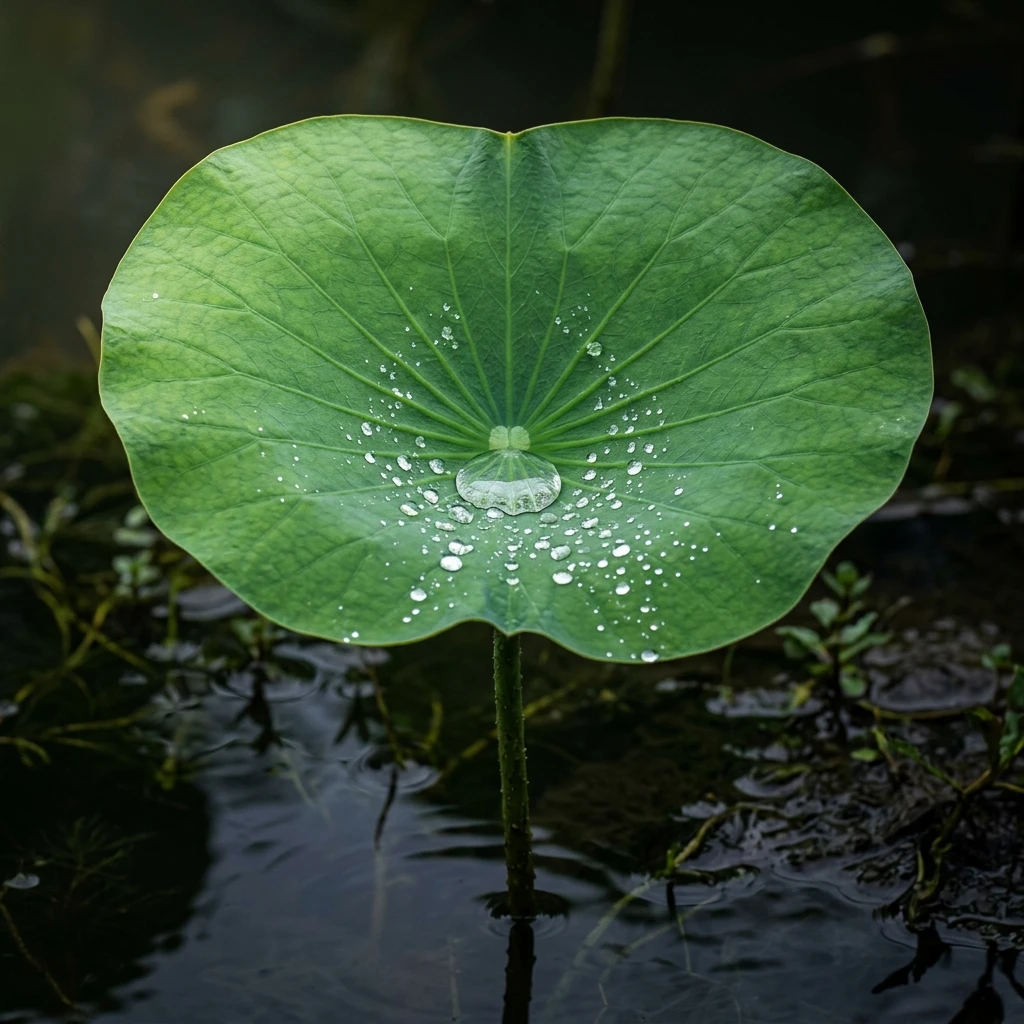
How to Identify Sacred Lotus
Sacred Lotus (Nelumbo nucifera) has key botanical markers. Recognizing these features is crucial for successful aquascaping and thriving growth.
-
✔
Visual Shape & Growth: Massive, circular shield-like leaves rising several feet above the water, with large central pink/white blossoms.
-
✔
Leaf Morphology: Glaucous green, perfectly round, water-repellent leaves (up to 20-30 inches wide) with radial veins.
-
✔
Root & Anchoring Structure: Thick, fleshy underground rhizomes (tubers) that anchor deeply in thick, muddy clay.
Complete Cultivation & Spawning Guide
Follow our detailed scientific water parameters and care guides to keep your Sacred Lotus thriving.
Common Diseases & Treatment
Rhizome Rot (Pythium)
Symptoms: Fleshy rhizomes turn black, soft, and decay, causing stems to collapse and drop.
Leaf Spot Disease (Fungal)
Symptoms: Dark brown spots with yellow halos scatter across the leaves, expanding and causing leaf decay.
Frequently Asked Questions
Why is my Sacred Lotus not blooming?
The most common cause is insufficient sunlight. Lotus requires a minimum of 6 hours of hot, direct sun and heavy root tab fertilization to produce flowers.
Can I grow Sacred Lotus indoors?
It is highly difficult due to its massive size and extreme sunlight requirements, unless grown under professional, ultra-strong greenhouse lighting.
How deep should I submerge the pot?
Young plants prefer shallow water (2-4 inches above the soil). Mature plants can handle water depths of 8 to 24 inches above the soil container.
How do I overwinter my Lotus?
If your pond freezes, lower the container to the deepest part of the pond so the rhizomes stay below the ice layer. Alternatively, store rhizomes in damp sand indoors.