Nymphaea zenkeri

Red Tiger Lotus Growing & Care Guide

Red Tiger Lotus is a stunning, bulbous aquatic specimen native to West Africa, famous for its magnificent arrow-shaped leaves with reddish-purple variegation. Highly adaptable, it can be kept compact as a bushy underwater rosette or allowed to shoot large floating lily pads to the surface, where it occasionally blooms with pristine night-blooming blossoms.


Lighting Icon
Lighting Moderate to High
Watering Icon
Water Parameter Aquatic (pH 6.0-7.5)
Substrate Icon
Substrate Nutrient-rich aquasoil / root tabs
Temperature Icon
Water Temp 22°C - 30°C
Toxicity Warning Icon
Toxicity Pet Friendly (Non-toxic)
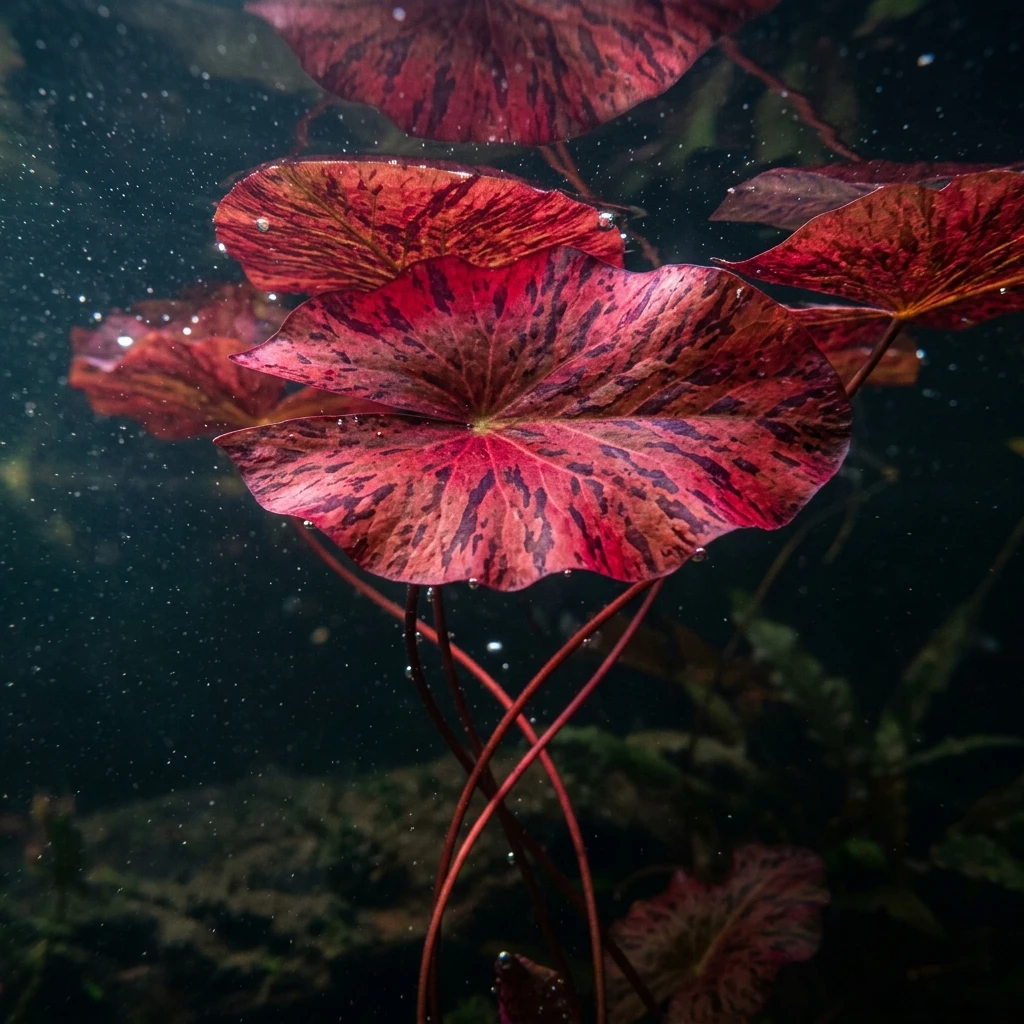
Botanical macro photography of Red Tiger Lotus (Nymphaea zenkeri) - Plant AI care database

How to Identify Red Tiger Lotus

Red Tiger Lotus (Nymphaea zenkeri) has key botanical markers. Recognizing these features is crucial for successful aquascaping and thriving growth.

  • Visual Shape & Growth: Broad, spade-shaped leaves with jagged edges and intense dark red/purple marbling.
  • Leaf Morphology: Stunning red to copper-brown coloration with distinctive darker red or purplish stripes and spots.
  • Root & Anchoring Structure: Propagates from a thick woody bulb/tuber that must not be fully buried in the substrate.
💡 Plant AI Tip: Take a photo with Plant AI to identify aquatic weeds and diagnose fungal spot diseases in 1 second.

Complete Cultivation & Spawning Guide

Follow our detailed scientific water parameters and care guides to keep your Red Tiger Lotus thriving.

pH: 6.0 - 7.5, GH: 3 - 12 dGH. Prefers stable, clean, soft to moderately hard freshwater setups.
Moderate. Beneficial for lush growth and rich red leaf development, though it can grow steadily in low-tech setups.
Moderate to high. High light intensity keeps the leaves compact and deepens the gorgeous reddish-purple marbling.
Cut off unwanted floating leaves at the base of the bulb to force the plant to maintain submerged, bushy growth.
Requires heavy iron and micro nutrient dosing to develop and maintain its iconic brilliant red color.
A heavy root feeder. Plant the bulb in rich aquasoil and feed with root tabs, leaving the top half of the bulb exposed.
Optimal temperature is 22°C to 30°C (71.6°F - 86°F). Extremely sensitive to cold water shocks below 18°C.
Enjoys moderate current. Steady water flow delivers essential water column nutrients to its opposite leafy rosettes.
Its tough texture and bitter taste make it highly resistant to plant-eating fish. Safe for community setups.
Slow growth makes it susceptible to hair algae. Keep water clean and employ Amano shrimps or Nerite snails.
Best placed in the midground or background. Space individual tubers at least 4 to 6 inches apart to allow spreading.

Are your Red Tiger Lotus leaves fading in red color or shooting too many surface runners?

Increase lighting levels, dose supplemental iron root tabs, and prune surface leaves to keep it compact.

Diagnose My Aquatics

Common Diseases & Treatment

Bulb Rot

Symptoms: The woody bulb/tuber turns mushy, black, and develops an unpleasant smell, losing all its leaves.

Action: Caused by planting the bulb too deeply in the gravel or sand. Remove rotted bulb parts and keep the top half above substrate.

Iron Deficiency (Chlorosis)

Symptoms: New leaves emerge pale green, yellow, or transparent, losing their iconic red marbling.

Action: Dose comprehensive liquid iron or insert iron-rich root tabs near the root zone immediately.

Frequently Asked Questions

Why are my Tiger Lotus leaves turning green?

It is usually caused by insufficient light. Tiger Lotus needs moderate to high light levels and iron nutrients to maintain its brilliant red marbling.

How do I prevent my Tiger Lotus from growing floating leaves?

Prune any leaves that shoot up towards the surface as soon as they emerge. This trains the plant to maintain compact, submerged growth.

Do I need to bury the bulb completely?

No! Burying the bulb completely will suffocate it and cause bulb rot. Leave at least the top half of the bulb exposed above the substrate.

Can it grow in a low-tech tank?

Yes, but growth will be slower and leaves may be more green-bronze than bright red. Root tabs and decent lighting are highly recommended.

Master advanced aquascaping. Start today!

Get Started for Free