Pinnatifida
Scientific Name: Hygrophila pinnatifida
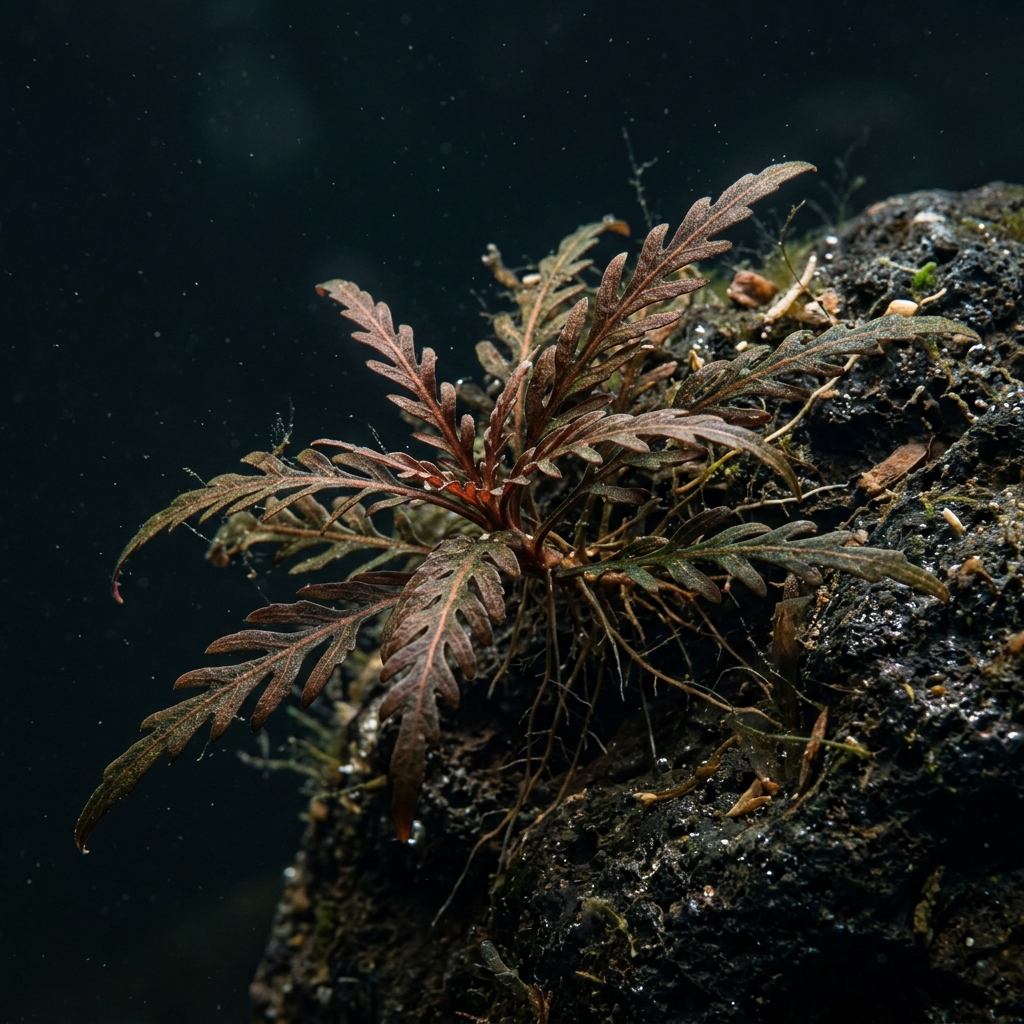
Hygrophila Pinnatifida is a spectacular, highly unique epiphytic vertical stem species native to fast-flowing mountain streams in India. Famous for its deeply pinnatifid feather-like leaves showing gorgeous bronze-red to deep burgundy hues, it is a premier aquascaping choice. Unlike typical stem plants, its incredibly strong roots can attach directly onto rocks and driftwood, adding a wild look.
Lighting Needs
Moderate to High
Water Parameters
Aquatic (pH 6.0-7.5)
Optimal Substrate
Epiphytic (Driftwood / Rock)
Hardy Temperature
18°C - 28°C
Toxicity Level
Pet Friendly (Non-toxic)
How to Identify Pinnatifida
Use our structural morphological markers to verify the identity of your Pinnatifida in any local nursery or wild wetland:
-
✔
Overall Visual Shape: Highly unique vertical creeping epiphyte with deeply pinnatifid feather-like leaves showing burgundy-to-bronze hues.
-
✔
Leaf Morphology: Deeply-indented pinnatifid, comb-like leather leaves showing gorgeous brownish-red to deep violet colors underneath.
-
✔
Root & Anchoring Structure: Incredibly strong brown anchoring roots that attach directly and tightly to rocks and driftwood like anubias.
Complete Cultivation & Spawning Guide
Follow our detailed scientific water parameters and care guides to keep your Pinnatifida thriving.
pH: 6.0 - 7.5, GH: 3 - 15 dGH. Highly prefers soft to moderately hard freshwater setups.
Moderate to High. Pressurized CO2 injection (20-30 ppm) is highly recommended to sustain leaf density and rich bronze colors.
Moderate to High. Brighter light produces extremely compact, deeply-indented burgundy leaves; low light yields loose green leaves.
Pinch off the main vertical growing tips to force horizontal runners. Snip horizontal runners to propagate new plantlets.
An absolute potassium glutton! Requires heavy, regular liquid potassium and iron dosing. It acts as an elite potassium deficiency indicator.
Do not bury the roots in substrate! Tie, glue, or wedge the plant onto driftwood or rocks. Burying roots in soil leads to root rot.
Optimal temperature is 18°C to 28°C (64.4°F - 82.4°F). Sensitive to extreme cold shocks below 15°C.
Requires steady water circulation. Good current prevents organic waste and algae spores from landing on delicate fronds.
Its tough, leathery texture is completely fish-proof. Provides excellent hiding and climbing zones for dwarf shrimps.
Slow growth makes it susceptible to hair algae. Keep water clean and employ Siamense Algae Eaters or Amano shrimps.
Best attached to midground rocks or roots. Leave spacing of 3 to 4 inches from neighboring clumps to allow perfect spread.
Common Diseases & Treatment
🚨 Potassium Deficiency (Needleholes)
Common Cause: Mature leaves rapidly develop thousands of tiny, pin-sized holes, turn yellow, and drop off.
Professional Cure: Severe potassium deficiency. Immediately increase comprehensive liquid potassium dosing weekly.
🚨 Root Rot (Substrate Burial)
Common Cause: Roots turn black, soft, and decay, causing the entire stem to rot and float away.
Professional Cure: The plant roots were buried in substrate, suffocating them. Glue or tie the plant to rocks or wood; never bury the roots.
Frequently Asked Questions
❓ Can I plant Pinnatifida in the substrate?
No. Burying its roots in heavy soil or gravel will suffocate them, leading to root rot. Always secure it onto hardscape (wood or rocks) using thread or gel glue.
❓ Why are there tiny holes in its leaves?
Pinnatifida is highly sensitive to potassium levels. Pin-sized holes are a classic sign of potassium deficiency. Increase potassium dosing immediately.
❓ How do I attach it to rocks?
Apply 1-2 small drops of cyanoacrylate-based superglue gel to the stem/root base, and hold it firmly against the rock or wood for 15 seconds underwater or dry.
❓ Does it need high light for the red color?
Yes. Under moderate light, it will remain green. It requires intense light, pressurized CO2, and iron dosing to develop its gorgeous brownish-red and violet hues.