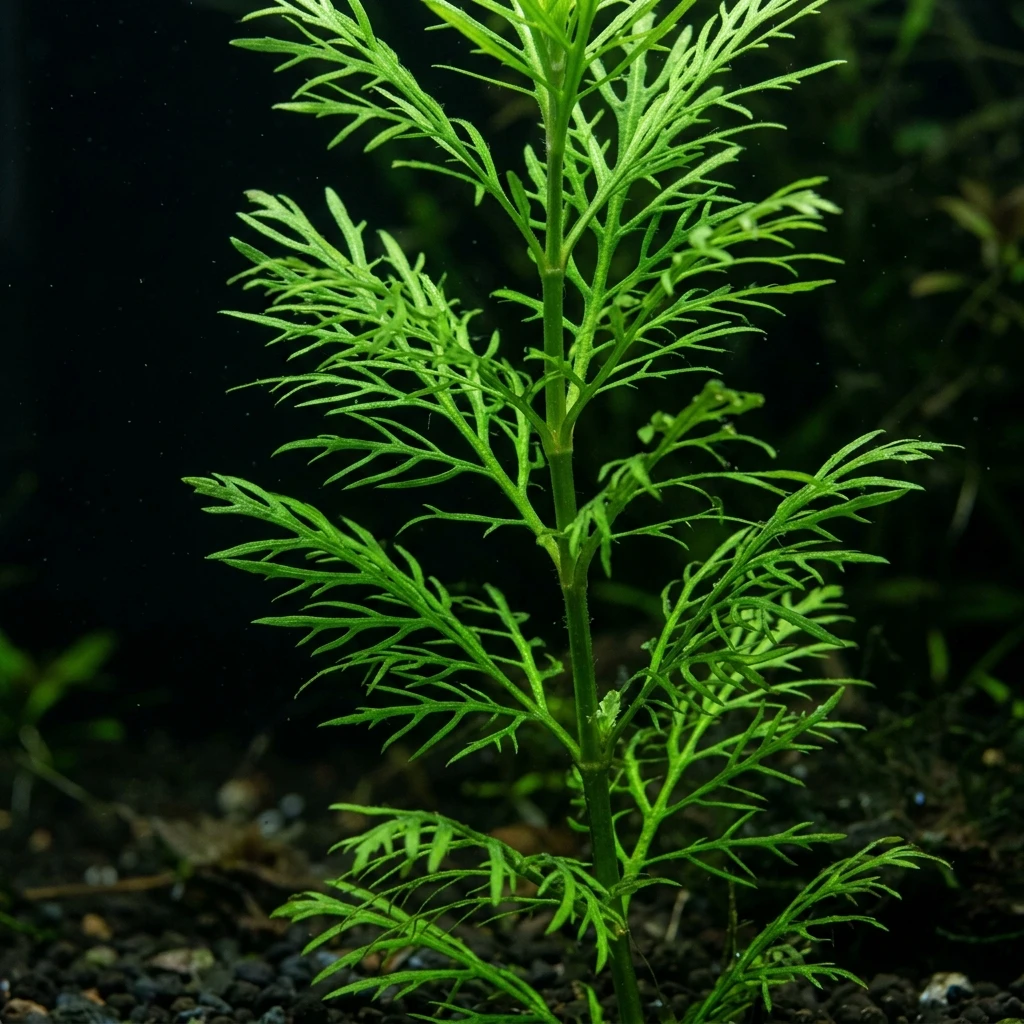
Balsamic Hygro
Scientific Name: Hygrophila balsamica
Balsamic Hygro, also known as Aromatic Willow, is a spectacular, highly unique background species native to marshlands of India and Sri Lanka. Prized for its gorgeous, deeply serrated waxy light-green leaves that resemble a finely-divided comb, it emits a soothing, herbal balsam aroma when trimmed. It is a stately and hardy accent plant that adds unparalleled texture.
Lighting Needs
Moderate to High
Water Parameters
Aquatic (pH 6.0-7.5)
Optimal Substrate
Nutrient-rich substrate
Hardy Temperature
18°C - 28°C
Toxicity Level
Pet Friendly (Non-toxic)
How to Identify Balsamic Hygro
Use our structural morphological markers to verify the identity of your Balsamic Hygro in any local nursery or wild wetland:
-
✔
Overall Visual Shape: Stately upright vertical stems with gorgeous light green, highly serrated deeply-divided comb-like leaves.
-
✔
Leaf Morphology: Deeply serrated, comb-like light-green leaves arranged in opposite pairs that emit a pleasing herbal balsam aroma.
-
✔
Root & Anchoring Structure: Thick, white horizontal anchoring roots that search deeply for iron and nitrogen.
Complete Cultivation & Spawning Guide
Follow our detailed scientific water parameters and care guides to keep your Balsamic Hygro thriving.
pH: 6.0 - 7.5, GH: 3 - 15 dGH. Highly prefers soft to moderately hard freshwater setups.
Moderate. Pressurized CO2 injection (20 ppm) is highly recommended to support its rapid growth rate and serrated leaf definition.
Moderate to High. Intense full-spectrum lighting keeps the serrations deep and prevents lower stem leaf decay.
Cut the stem above a leaf node using sharp scissors. Replant the cut top; the bottom stem will sprout two new side shoots.
A heavy water-column feeder. Requires regular dosing of liquid iron and comprehensive macro/micro elements.
Requires rich aquasoil. Provide slow-release root tabs to feed its extensive vertical root network.
Optimal temperature is 18°C to 28°C (64.4°F - 82.4°F). Sensitive to sudden cold water shocks during maintenance.
Requires steady water circulation. Good current prevents organic waste and algae spores from landing on broad leaves.
Its submerged form is 100% safe. However, its emersed form contains heavy balsam oils; always soak emersed plants before adding to fish tanks.
Fast growth makes it a brilliant nutrient sponge, starving out black beard algae. Keep water clean and stock Amano shrimps.
Best planted in the background. Space individual stems 1.5 inches apart in groups of 3 to 5 for the best visual display.
Common Diseases & Treatment
🚨 Node Melting
Common Cause: Stems turn soft, dark, and dissolve at the node joints.
Professional Cure: Caused by sudden water chemistry shocks or extreme lack of light. Cut off the healthy tops and replant them in clean water.
🚨 Iron Deficiency (Chlorosis)
Common Cause: New narrow leaves emerge pale green, yellow, or transparent, losing their healthy color.
Professional Cure: Dose comprehensive liquid iron or insert iron-rich root tabs near the root zone immediately.
Frequently Asked Questions
❓ Why is it called Balsamic Hygro?
Its leaves contain aromatic essential oils that release a beautiful, refreshing herbal balsam aroma when crushed, touched, or pruned.
❓ Is the emersed form toxic to fish?
Yes. The emersed form contains concentrated balsam oils that can be toxic to fish. Always purchase submerged forms, or thoroughly soak emersed plants in a bucket for 3-5 days before adding to your aquarium.
❓ How do I prune it correctly?
Simply cut the stem at your desired height using sharp scissors. The bottom stem will sprout two beautiful new branches, creating a bushier hedge.
❓ What substrate does it prefer?
It is a heavy root feeder. It highly prefers rich aquasoil or clay-based substrates enriched with comprehensive root tabs.