Sagittaria subulata

Dwarf Sagittaria Growing & Care Guide

Dwarf Sagittaria is an ironclad foreground grass plant, renowned for its outstanding adaptability to low light and hard water. Native to coastal waters of the Americas, this exceptionally durable species propagates rapidly via runners, forming a beautiful, lush green turf that sways dynamically in the community community setup.


Lighting Icon
Lighting Low to Moderate
Water Hardness Icon
Water Hardness Aquatic (pH 6.0-8.0)
Substrate Icon
Substrate Sand or gravel
Temperature Icon
Water Temp 15°C - 28°C
Toxicity Warning Icon
Toxicity Pet Friendly (Non-toxic)
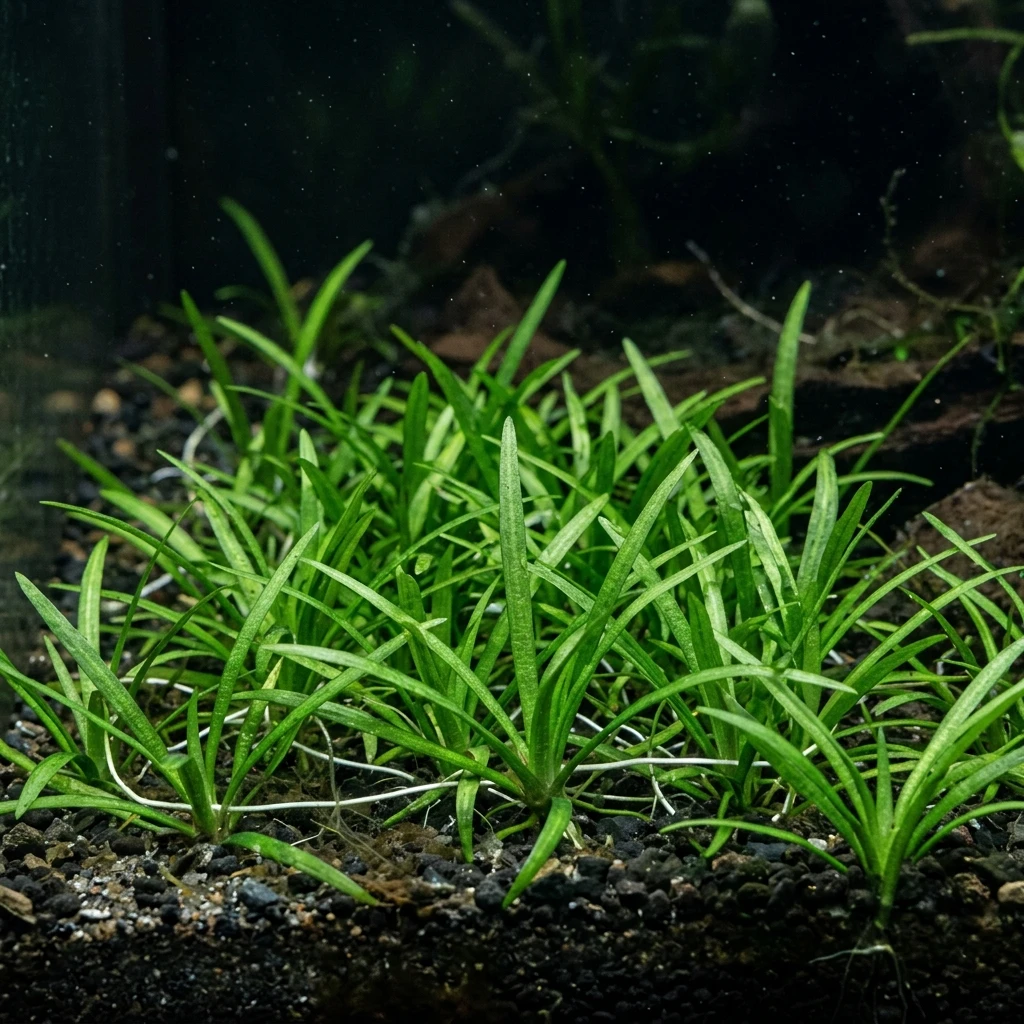
Botanical macro photography of Dwarf Sagittaria (Sagittaria subulata) - Plant AI care database

How to Identify Dwarf Sagittaria

Dwarf Sagittaria (Sagittaria subulata) has key botanical markers. Recognizing these features is crucial for successful aquascaping and thriving growth.

  • Visual Shape & Growth: Dense green turf of vertical, strap-like grass blades creeping via runners.
  • Leaf Morphology: Linear, ribbon-like or strap-like green leaves rising directly from a central root crown.
  • Root & Anchoring Structure: Extremely dense, creeping runner network that rapidly colonizes and binds the substrate.
💡 Plant AI Tip: Take a photo with Plant AI to identify aquatic weeds and diagnose fungal spot diseases in 1 second.

Complete Cultivation & Spawning Guide

Follow our detailed scientific water parameters and care guides to keep your Dwarf Sagittaria thriving.

pH: 6.0 - 8.0, GH: 4 - 20 dGH. Incredibly tolerant of hard, alkaline water, and adapts well to slightly brackish setups.
Low. Grows perfectly well without pressurized CO2, though minor carbon supplementation speeds up runner propagation.
Low to moderate light. Under strong lighting, it stays short and spreads rapidly; low light will cause it to grow tall and sparse.
Trim the tallest grass blades near the base crown. Never cut the leaf blade in half as it will decay. Prune whole leaves instead.
A heavy iron feeder. If iron is low, the leaves will turn pale yellow-white. Dose liquid iron weekly.
Anchor in sand or gravel. Prefers substrate enriched with root tabs, which supports its vertical root system.
Extremely wide temperature tolerance, from 15°C to 28°C (59°F - 82°F). Can survive cool outdoor setups well.
Enjoys steady water circulation to keep organic detritus from settling in the dense grass turf.
Its tough, fibrous leaves make it highly resistant to plant-grazing community fish. Safe for community tanks.
Slow growth makes it susceptible to Diatoms (brown algae) in new tanks. Employ Otocinclus catfish or Nerite snails.
Separate the pot into small plugs. Plant plugs 1 inch apart in the foreground; it will quickly merge into a solid green lawn.

Is your Dwarf Sagittaria turning yellow, growing too tall or melting?

Dose iron to prevent yellowing, trim the tallest leaves, and ensure solid root tabs.

Diagnose My Aquatics

Common Diseases & Treatment

Iron Chlorosis (Yellowing)

Symptoms: The entire leaf blades turn pale green, yellow, or translucent white.

Action: The classic sign of iron deficiency. Dose liquid iron chelate weekly.

Crown Suffocation

Symptoms: Leaves rot at the base and float away.

Action: Caused by planting the crown too deeply in the gravel. Pull the plant upward until the green crown base is visible.

Frequently Asked Questions

How tall does Dwarf Sagittaria grow?

Under strong light, it typically stays very short, around 1 to 2 inches. Under low light, it can stretch upward to 4 to 6 inches, making it a mid-ground plant.

Does it need CO2?

No, Dwarf Sagittaria is one of the few foreground plants that can carpet perfectly fine without any CO2 injection.

Can I grow it in sand?

Yes, but you must insert root tabs near the root crown every few months, as sand lacks the natural nutrients found in aquasoil.

Is it safe for community community fish?

Yes, it is entirely non-toxic, pet-friendly, and offers safe hiding spots for all aquarium inhabitants.

Master advanced aquascaping. Start today!

Get Started for Free