Anubias barteri var. nana

Anubias Nana Growing & Care Guide

Anubias Nana, the absolute royalty of low-light aquatic setups, is a slow-growing African native. Prized for its thick, deep-green ovate leaves and ultimate hardiness, it thrives attached to driftwood or rocks, making it a stellar centerpiece for beginner and expert aquascapers alike.


Lighting Icon
Lighting Low to Moderate
Water Hardness Icon
Water Hardness Aquatic (pH 6.0-7.5)
Substrate Icon
Substrate Attached to driftwood/rocks
Temperature Icon
Water Temp 20°C - 28°C
Toxicity Warning Icon
Toxicity Toxic to Pets (Oxalates)
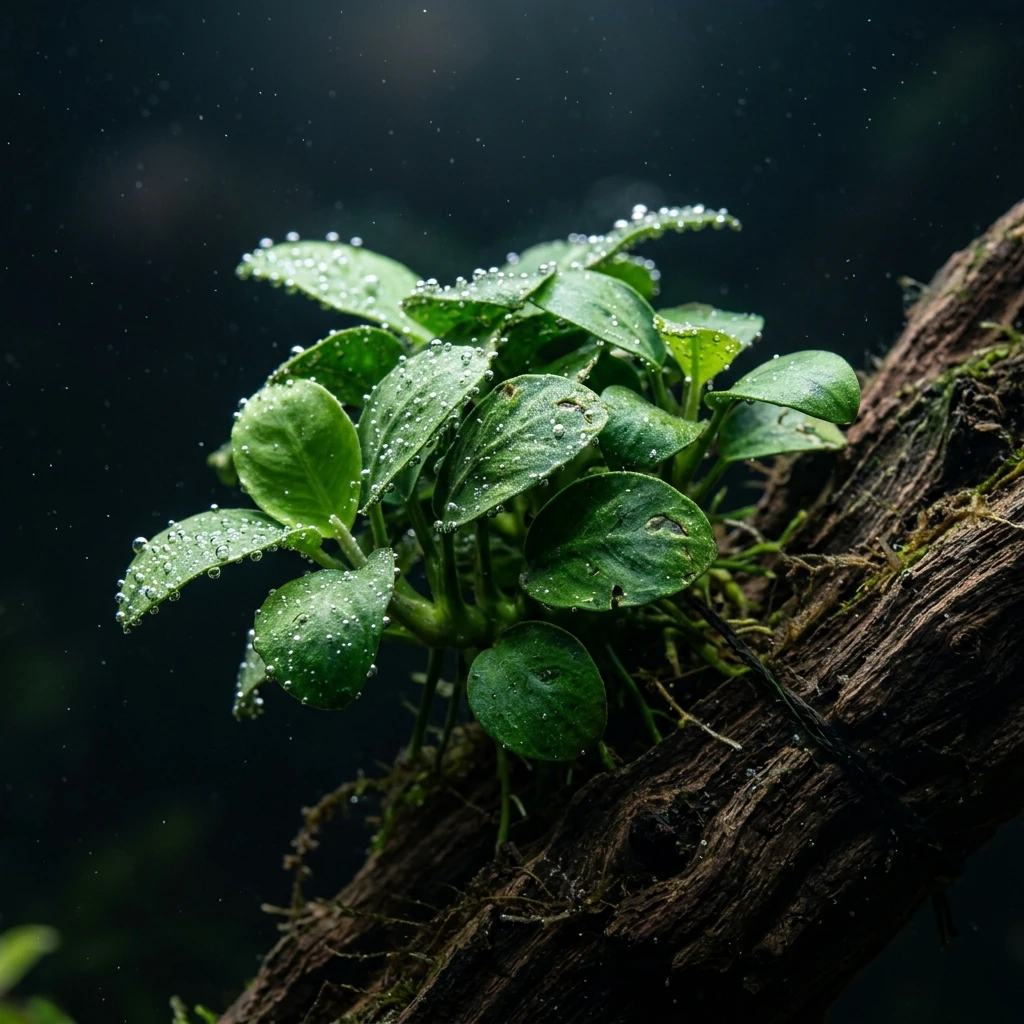
Botanical macro photography of Anubias Nana (Anubias barteri var. nana) - Plant AI care database

How to Identify Anubias Nana

Anubias Nana (Anubias barteri var. nana) is an iconic aquatic species. Recognizing its key structures is crucial for successful aquascaping and thriving growth.

  • Visual Shape & Growth: Compact, bushy epiphyte with dark green, thick, glossy teardrop-shaped leaves.
  • Leaf Morphology: Thick, leathery, dark-green leaves growing along a stout creeping rhizome.
  • Root & Anchoring Structure: Stout, anchoring white roots that cling tenaciously to wood, stones or gravel surface.
💡 Plant AI Tip: Take a photo with Plant AI to identify aquatic weeds and diagnose fungal spot diseases in 1 second.

Complete Cultivation & Spawning Guide

Follow our detailed scientific water parameters and care guides to keep your Anubias Nana thriving.

pH: 6.0 - 7.5, GH: 3 - 8 dGH. Prefers stable, clean, soft to moderately hard freshwater. High nitrates or sudden shifts can trigger leaf loss.
Low demand. It does not require pressurized CO2 injection, but minor liquid carbon dosing speeds up its slow growth rate.
Low to moderate lighting (0.5 watts/liter). High light must be avoided as it directly triggers green spot algae growth on the leaves.
Prune damaged leaves near the base of the rhizome. Propagate easily by cutting the creeping rhizome into segments with at least 3 leaves each.
Absorbs nutrients primarily from the water column. Weekly dosing of comprehensive liquid micro-fertilizer ensures vibrant green color.
NEVER bury the rhizome in gravel or sand, or it will rot and die. Glue or tie it tightly to driftwood, lava rocks, or hardscape.
Thrives in tropical temperatures between 20°C and 28°C (68°F - 82°F). Sensitive to sudden cold water shocks during tank maintenance.
Appreciates moderate, steady water circulation to keep leaf surfaces free from debris and organic waste accumulation.
Its exceptionally tough, leathery leaves make it immune to grazing by herbivorous fish like Cichlids and Goldfish. Ideal for shrimp tanks.
Due to slow growth, leaves easily gather Green Spot Algae. Introduce Nerite Snails, Amano Shrimps, or Otocinclus catfish to keep them clean.
Acclimate slowly to new tank setups. Secure it gently using fishing line or black cotton thread until its roots wrap around the hardscape.

Is your Anubias Nana leaves turning yellow, dissolving or growing dark spots?

Keep your aquascape healthy. Check for rhizome rot and balance your tank nutrients proactively.

Diagnose My Aquatics

Common Diseases & Treatment

Anubias Rhizome Rot (Fungal)

Symptoms: Rhizome turns soft, mushy, and foul-smelling, causing leaves to fall off.

Action: Prune away all soft sections of the rhizome immediately, perform a 50% water change, or discard severely rotted specimens.

Green Spot Algae (GSA)

Symptoms: Hard, round dark-green spots form on the surface of slow-growing leaves.

Action: Reduce lighting duration, raise phosphate levels slightly, and utilize Nerite snails to scrape leaf surfaces.

Frequently Asked Questions

Can I plant Anubias Nana in gravel?

No, you must never bury the creeping rhizome in substrate. If buried, the rhizome will suffocate, rot, and kill the plant. Keep the roots exposed or tie the plant to wood/rocks.

Why are my Anubias leaves turning yellow?

Yellowing leaves are usually a sign of iron or potassium deficiency, or it could be old leaves naturally dying off. Add comprehensive water fertilizer weekly.

Is Anubias Nana safe for aquarium shrimp?

Yes! It is highly favored in shrimp tanks because its thick leaves provide excellent biofilm grazing surfaces and safe hiding places for baby cherry shrimps.

How fast does Anubias Nana grow?

It is an exceptionally slow-growing plant. Under standard conditions, it typically produces only one new leaf every two to three weeks.

Master advanced aquascaping. Start today!

Get Started for Free